






Malassezia furfur is a lipid-loving yeast that commonly lives on healthy scalps, but it can tip into dandruff or scalp seborrheic dermatitis when the scalp barrier and immune response get irritated and out of balance.
It’s usually manageable with the right treatment rhythm.
But it often recurs. So maintenance matters.
What Is Malassezia furfur, Really?
A normal resident, not an invader
Malassezia species live on human skin as part of the normal cutaneous fungal community. Most adults carry them, especially in oil-rich areas like the scalp, face, and chest.
In other words… the presence of Malassezia is not the problem.
The reaction is.
So when someone says, “I have Malassezia on my scalp,” the more useful question becomes:
Why is my scalp reacting right now?
(And that’s where things get interesting.)

Why it prefers the scalp
Malassezia is lipid-dependent. It requires external lipids to survive, which is why sebaceous areas (like the scalp) are prime real estate.
Research shows that Malassezia metabolizes sebum triglycerides through lipase activity, generating free fatty acids and other by-products that can irritate susceptible skin and contribute to inflammation and barrier dysfunction.
Not everyone reacts the same way.
Some scalps shrug.
Others flare.
And that difference usually comes down to barrier strength and immune response, not yeast count alone.
Is There an “Allergy” to Malassezia?
Most adults carry Malassezia species on their scalp without issue.
But some researchers (including alternative scalp biology models) have proposed that certain individuals may mount a stronger immune response to Malassezia metabolites than others.
This is sometimes described as a form of hypersensitivity or immune reactivity rather than simple colonization.
It’s important to clarify terms.
Malassezia presence is extremely common.
True immunologic allergy, as defined by standardized allergy testing, is established at a global 50% of the population level in large epidemiologic datasets.
Immune reactivity to Malassezia antigens has been documented in subsets of patients with inflammatory skin disorders. Genetic factors likely influence how aggressively someone’s immune system responds to microbial triggers.
Where the discussion becomes more controversial is in relation to androgenetic alopecia (AGA).
Mainstream dermatology continues to classify AGA primarily as a genetically influenced, androgen-mediated condition involving follicular sensitivity to dihydrotestosterone (DHT).
Some alternative hypotheses suggest that chronic low-grade inflammation (potentially influenced by microbial interactions, including Malassezia) may contribute to the microenvironment in which follicular miniaturization occurs.
At present, this remains a proposed model rather than a universally accepted redefinition of AGA.
That distinction matters.
Hypothesis expands inquiry.
Consensus defines standard of care.
Why Malassezia Becomes a Problem for Some People
Sebum levels and scalp chemistry
Oil isn’t “bad.” It protects and lubricates the scalp surface.
But oily environments do create conditions where Malassezia can thrive more easily.
If your scalp runs oily, that doesn’t mean you’re doomed.
It just means the ecosystem is more favorable to yeast activity.
Skin barrier differences
Modern reviews describe seborrheic dermatitis and dandruff as a three-way interaction:
Malassezia
+
Barrier dysfunction
+
Immune response
Not just yeast overgrowth alone.
If the barrier is compromised, even normal yeast metabolites can trigger irritation.
That’s why two people with similar yeast levels can have completely different symptoms.
Immune response and sensitivity
Seborrheic dermatitis is considered chronic and relapsing. Clinicians treat it as a condition to manage, not cure.
Some researchers have proposed hypersensitivity or immune reactivity models. These remain areas of investigation, not settled consensus.
So when you hear bold claims that “Malassezia causes all hair loss,” pause. The science doesn’t support that level of certainty.
Climate and sweat
Heat, humidity, and sweating can worsen symptoms. Warm, moist environments support yeast activity and can aggravate irritated skin.
Winter can also be rough. Barrier dryness increases irritation.
Your scalp can be oily and irritated at the same time.
Yes. It’s annoying.
Conditions Linked to Malassezia furfur on the Scalp
Dandruff vs seborrheic dermatitis
These are neighbors on the same street.
- Dandruff: flaking with minimal visible inflammation
- Seborrheic dermatitis (scalp): redness, thicker scale, itch, sometimes burning discomfort
Both are strongly linked to Malassezia involvement alongside barrier and immune factors.
A quick note on flake types
Patients often describe:
- Light, powdery “dry” flakes
- Or thicker, yellowish, slightly greasy scale that adheres to hair shafts
This isn’t a formal diagnostic category, but it can influence product choice. Sticky scale may benefit from keratolytic support (like salicylic acid) before antifungal agents can fully contact the scalp.
Malassezia folliculitis
Different condition.
Typically presents as itchy follicular papules or pustules, often on the trunk. In these cases, systemic antifungals may be required.
If your scalp looks like inflamed bumps around follicles rather than diffuse scale, get evaluated.
What this is not
- Scalp psoriasis
- Contact dermatitis
- Tinea capitis
Similar flaking does not equal identical diagnosis.
Symptoms You Might Notice
- White or yellowish flakes
- Itch that worsens during flares
- Redness (more common in seborrheic dermatitis)
- A tight, “warm” scalp sensation
- Symptoms that worsen after sweating
And most importantly…
Recurrence.
Can Malassezia Cause Hair Loss?
Malassezia is not classified in major dermatologic guidelines as a primary cause of androgenetic alopecia.
AGA remains defined by genetic predisposition and androgen sensitivity, with progressive follicular miniaturization driven largely by DHT-mediated signaling pathways.
That is the standard model.
A proposed inflammatory model
That said, some researchers and clinical authors have explored whether chronic scalp inflammation (potentially influenced by microbial factors) could play a more meaningful role in hair thinning than traditionally emphasized.
A small number of regional studies have reported elevated Malassezia presence in certain cohorts of individuals experiencing hair loss. These findings have led to the hypothesis that persistent yeast-driven inflammation may contribute to an unfavorable follicular environment.
In these proposed models, inflammation could:
- Increase local cytokine activity
- Alter perifollicular immune signaling
- Potentially contribute to miniaturization processes already underway
However, several critical caveats apply:
- Elevated Malassezia levels do not prove causation.
- Inflammation itself can alter microbial composition, making directionality difficult to determine.
- Sample sizes in such studies are often limited, and findings require broader replication before redefining AGA pathophysiology.
At present, Malassezia is not universally recognized as a root driver of androgenetic alopecia.
But inflammation is biologically relevant.
And managing scalp inflammation (regardless of its initiating trigger) may reduce shedding signals and improve scalp comfort.
What we can say with confidence
When dandruff or seborrheic dermatitis is present, antifungal treatment can reduce inflammatory activity and visible shedding during washing.
That does not mean yeast eradication reverses genetic hair loss.
It does mean scalp health influences hair behavior.
And that’s a more precise claim.
How Dermatologists Diagnose Malassezia-Related Scalp Issues
Diagnosis is usually clinical, based on pattern, distribution, and response to treatment.
Microscopy or further evaluation may be used in atypical cases.
If your scalp keeps escalating despite appropriate care, get it examined.
Evidence-Based Treatments That Actually Help
Antifungal shampoos
The American Academy of Dermatology and Mayo Clinic list common active ingredients:
- Piroctone Olamine
- Ketoconazole
- Selenium sulfide
- Zinc pyrithione (availability varies by region)
- Salicylic acid
- Coal tar
- Sulfur
Contact time matters
Some medicated shampoos should remain on the scalp for 5–10 minutes before rinsing.
Rinsing immediately reduces efficacy.
Flare phase vs maintenance phase
Flare phase: 2–4 times weekly
Maintenance phase: Once weekly or every other week
Seborrheic dermatitis is chronic and relapsing. Control requires consistency.
If you stop too soon and symptoms return… that’s normal physiology, not failure.
In the European Union, zinc pyrithione has been prohibited in cosmetic products since March 2022 under Regulation (EU) 2021/1902. Other antifungal agents are commonly used instead.
Anti-inflammatory support
Short courses of topical anti-inflammatory agents may be combined with antifungal therapy in more inflamed cases.
Short-term. Targeted.
Not endless soothing without addressing yeast involvement.
Oral antifungals
Reserved for select cases like Malassezia folliculitis or severe refractory disease. Requires medical supervision.
Supporting the Scalp Long Term
This part isn’t glamorous.
But it’s what keeps flares down.
Product restraint
Heavy occlusives can sometimes worsen flares in certain scalps. Not universally—but observably.
Short reset periods can clarify triggers.
Washing rhythm
Over-washing irritates.
Under-washing allows buildup.
The correct frequency is personal.
Watch your scalp, not the calendar.
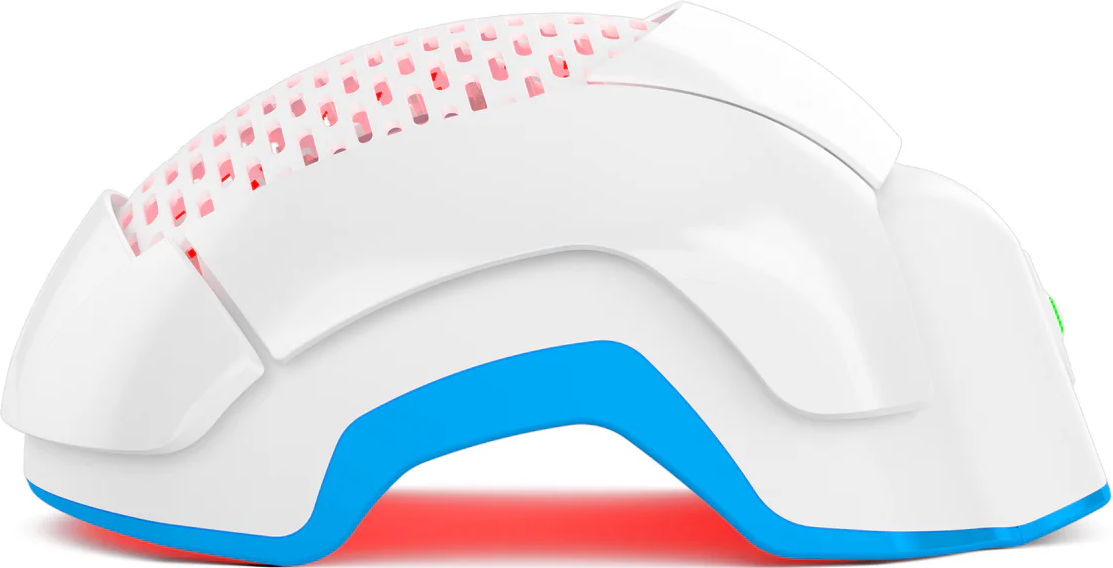
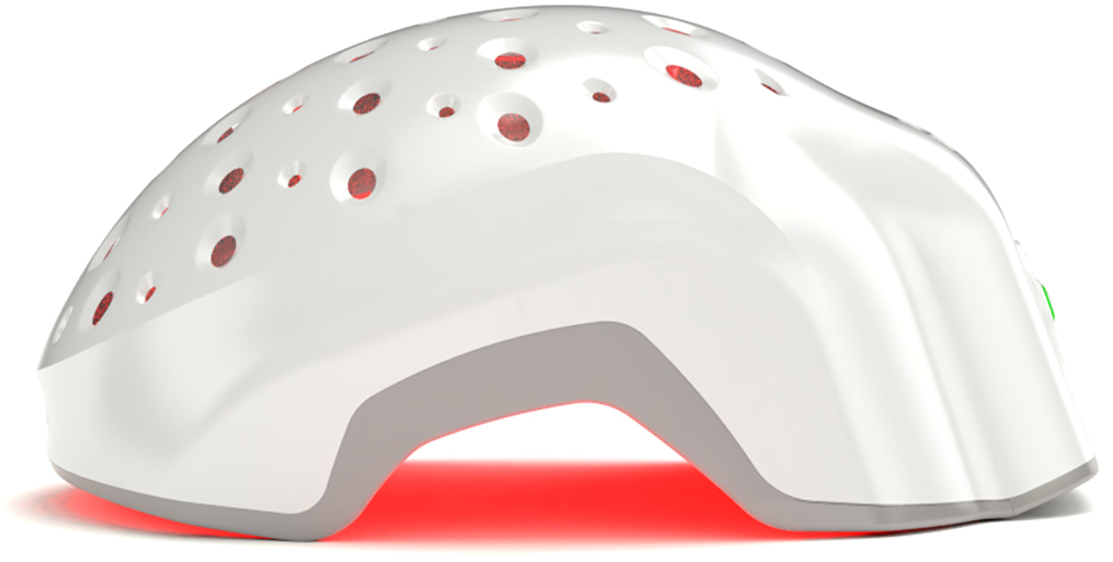
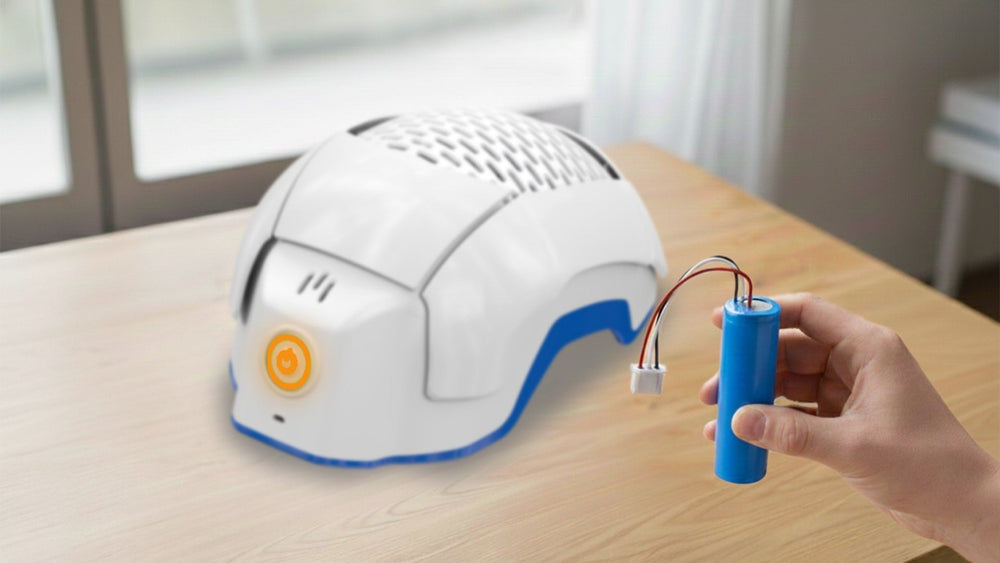
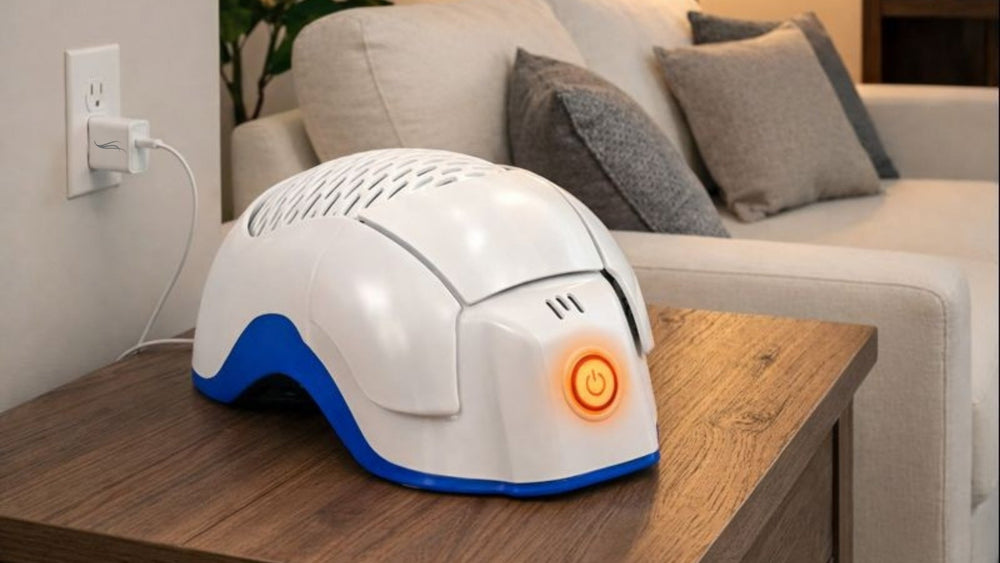
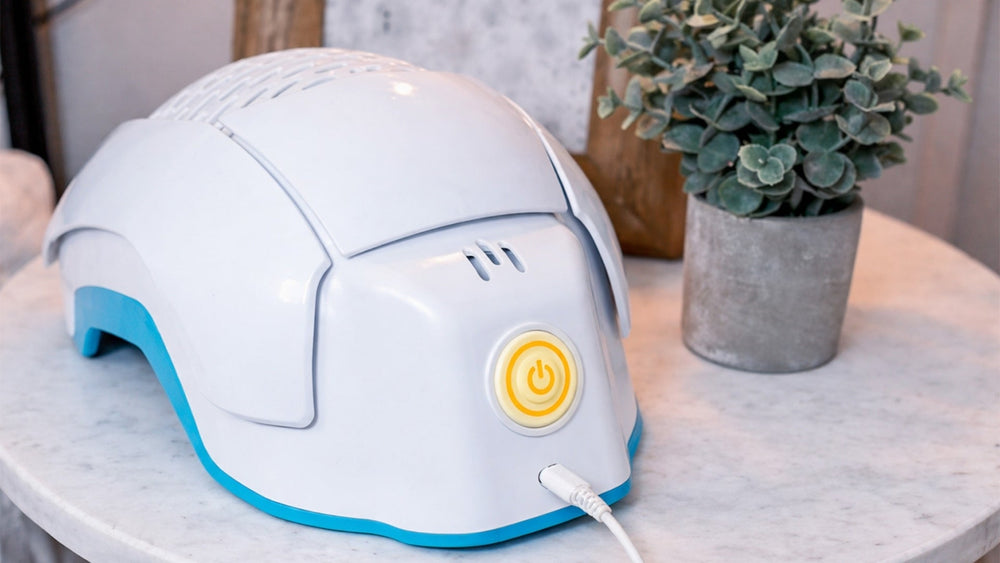
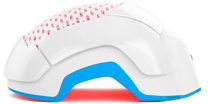
Where Laser Phototherapy (LPT) fits
LPT is not an antifungal therapy.
It does not eliminate Malassezia.
Its role, if used, is supportive—focused on tissue health and inflammatory modulation—not yeast control.
Antifungal care remains primary for yeast-driven flares.
Can Malassezia Come Back?
Yes. Often.
Malassezia is part of the normal microbiome. The goal is control—not eradication.
Recurrence doesn’t mean you did something wrong.
It means your scalp is behaving like a scalp.
When to See a Professional
- Pain, oozing, crusting
- Thick plaques unresponsive to treatment
- Persistent shedding beyond flare resolution
- Follicular pustules
If something feels atypical, trust that instinct.
Conclusion
Malassezia on the scalp is normal.
Symptoms begin when barrier function and immune response react to yeast activity. The reliable path is steady: proven antifungal actives, correct contact time, and maintenance rhythm.
Calm inflammation first.
Then reassess what remains.
That’s disciplined scalp care.