






Your liver does far more than process what you eat and drink. It regulates hormones, filters toxins, and helps your body absorb the nutrients your hair follicles need to function. When liver health declines, these behind-the-scenes processes can be disrupted, and hair loss is sometimes one of the first visible signs that something is off internally.
Understanding the Liver’s Role in the Body
The liver is responsible for filtering toxins from the blood, producing proteins the body needs, regulating hormone levels, and supporting the absorption of key nutrients like iron, zinc, and vitamin B12. All of these functions have a direct or indirect relationship with hair growth, which is why liver dysfunction can show up in unexpected places, including your scalp.
How Liver Issues Impact Hair Growth
1. Nutrient Deficiencies
A struggling liver can impair your body's ability to absorb and process nutrients critical to hair growth, particularly iron, zinc, and vitamin B12. Over time, these deficiencies can push hair follicles out of their active growth phase and into a resting, shedding phase. For more on this connection, see our guide to the role of nutrition in hair loss.
2. Hormonal Imbalances
The liver plays a central role in metabolizing hormones, including estrogen, testosterone, and DHT. When liver function is impaired, hormone levels can become imbalanced, and elevated DHT in particular is a well-known driver of pattern hair thinning. Our guide on laser hair therapy and DHT explains this connection in more detail.
3. Inflammation and Toxic Buildup
When the liver cannot filter toxins efficiently, they can build up in the body and contribute to systemic inflammation. This kind of inflammation can disrupt the normal hair growth cycle and, in some cases, trigger a temporary shedding pattern.
Can Liver Disease Cause Hair Loss?
Yes, though the relationship varies depending on the specific condition and how advanced it is. Several liver conditions have been associated with hair thinning or shedding:
Fatty Liver Disease
Fatty liver disease, whether related to alcohol use or metabolic factors, can impair the liver's ability to regulate hormones and process nutrients efficiently. Hair thinning linked to fatty liver disease tends to appear gradually, as diffuse shedding rather than a sudden event, and often improves as liver health is addressed through diet and lifestyle changes.
Cirrhosis
Cirrhosis represents more advanced, often irreversible scarring of the liver, and it significantly impairs the organ's ability to filter toxins and regulate hormones. Because of this, hair loss associated with cirrhosis tends to be more pronounced than in earlier-stage liver conditions, and addressing it typically requires close coordination with a hepatologist or treating physician alongside any hair-focused interventions.
Hepatitis and Alcohol-Related Liver Disease
Both viral hepatitis and alcohol-related liver disease can contribute to hair thinning through the same underlying pathways: nutrient malabsorption, hormonal disruption, and chronic inflammation. The degree of hair loss generally tracks with how well the underlying condition is managed.
Also Read: Can Celiac Disease Cause Hair Loss?
Common Signs of Liver-Related Hair Loss
Hair loss linked to liver disease rarely occurs in isolation. Watch for these accompanying signs:
- Brittle or dry-feeling hair
- A dry, flaky, or irritated scalp
- Shedding that's noticeably increased over weeks or months
- Persistent fatigue
- Skin discoloration, such as yellowing (jaundice)
- Digestive issues, including nausea or appetite changes
If you notice hair thinning alongside several of these symptoms, it is worth discussing liver function testing with your doctor.
Can Hair Grow Back After Liver Disease?
In many cases, yes. Hair loss tied to liver dysfunction is frequently a form of telogen effluvium, a temporary shedding pattern rather than permanent follicle damage. As liver function improves, whether through treatment, lifestyle changes, or both, hair often resumes a more normal growth pattern. Recovery timelines vary depending on the severity and duration of the underlying liver condition, so patience and consistent follow-through with your treatment plan matter.
You can also check out other medical conditions that can lead to hair loss.
How to Support Liver Health for Hair Recovery
Supporting liver health is the foundation for addressing liver-related hair loss. A few key areas to focus on:
- Follow a balanced diet rich in whole foods, lean protein, and vegetables, and limit processed foods and added sugar
- Limit or eliminate alcohol consumption, since it places direct strain on the liver
- Address nutrient gaps, particularly iron, zinc, and vitamin B12, with guidance from your doctor
- Prioritize consistent, quality sleep
- Manage stress, which can further strain liver function over time
- Stay physically active, within what your doctor considers safe for your condition
If you are taking medication for a liver condition, talk with your doctor about whether it could be contributing to hair shedding as a side effect, since some liver medications can affect hair growth independently of the underlying disease.
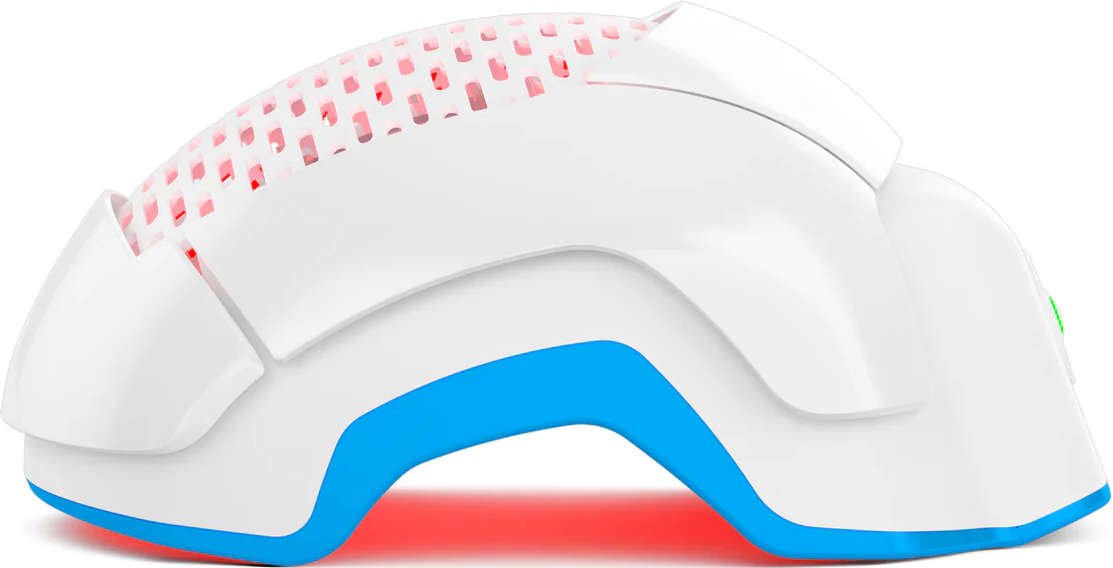
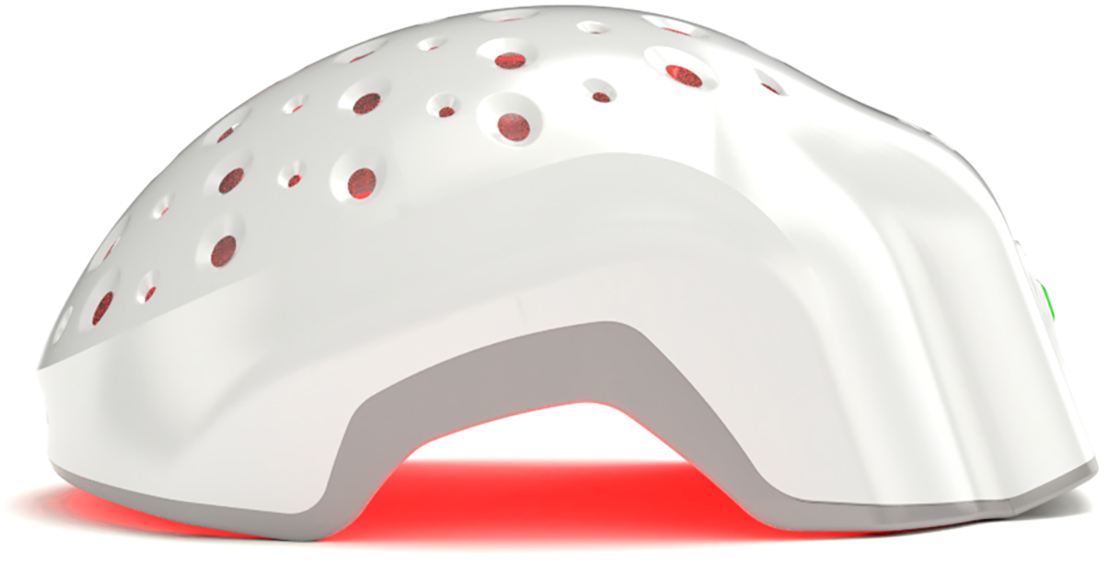
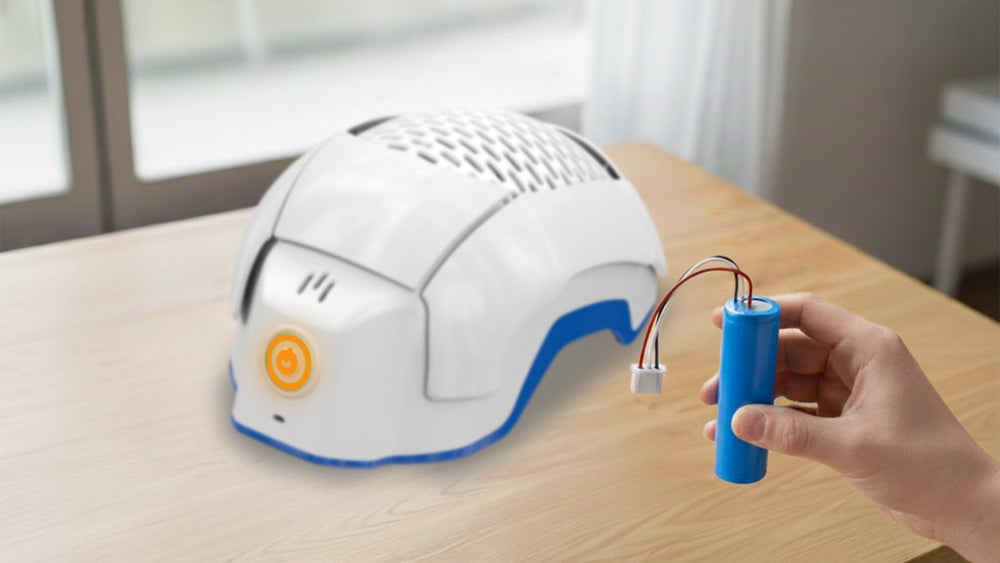
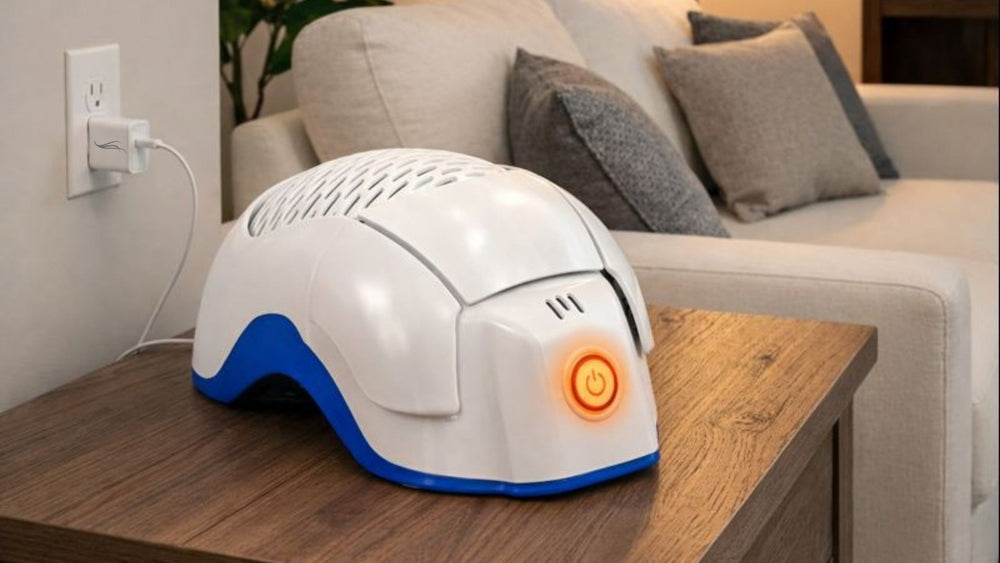
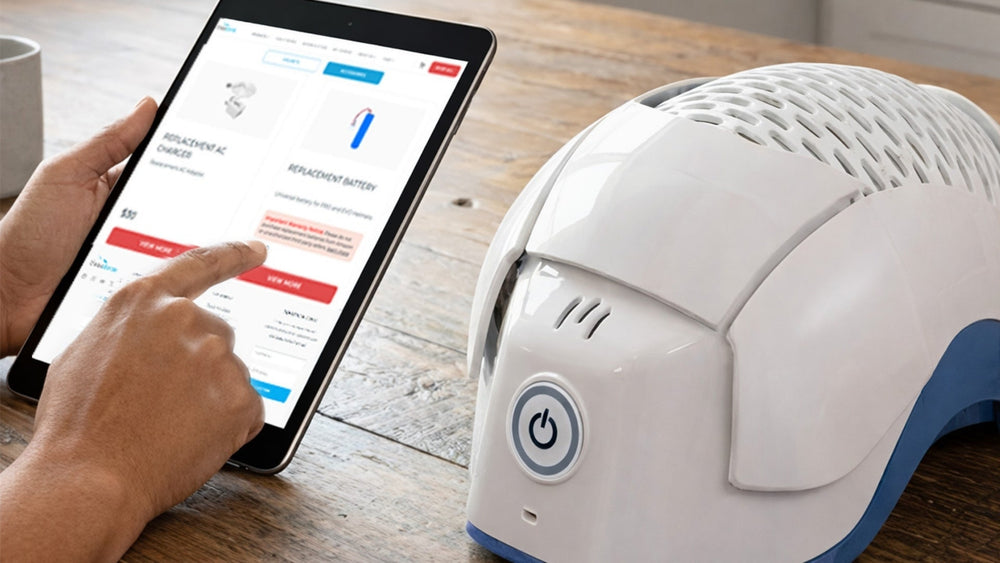
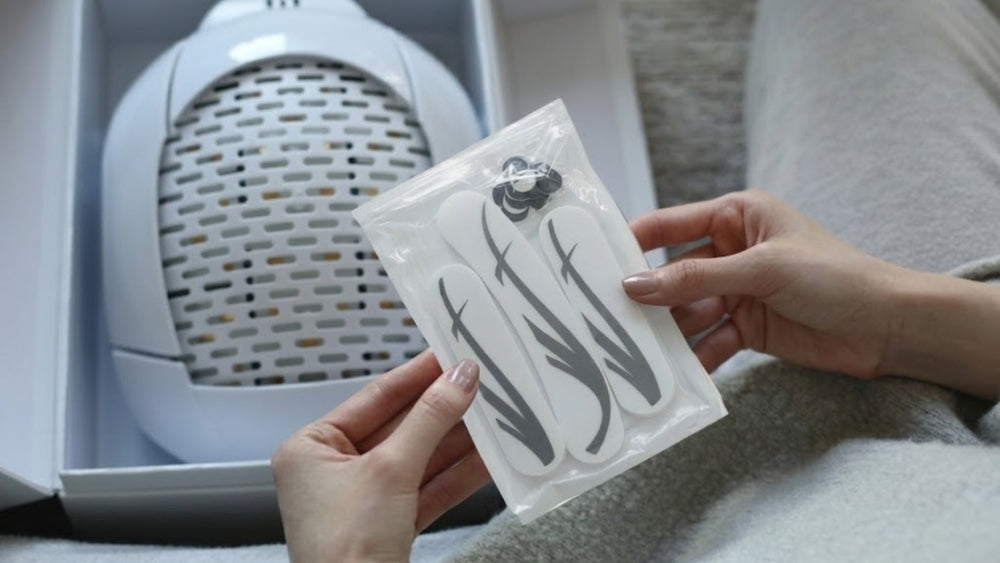
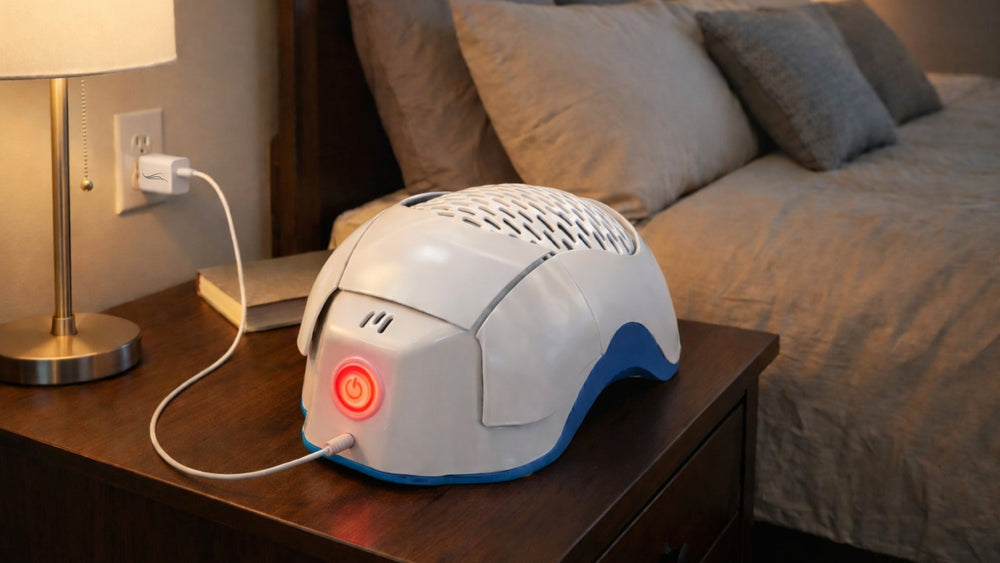
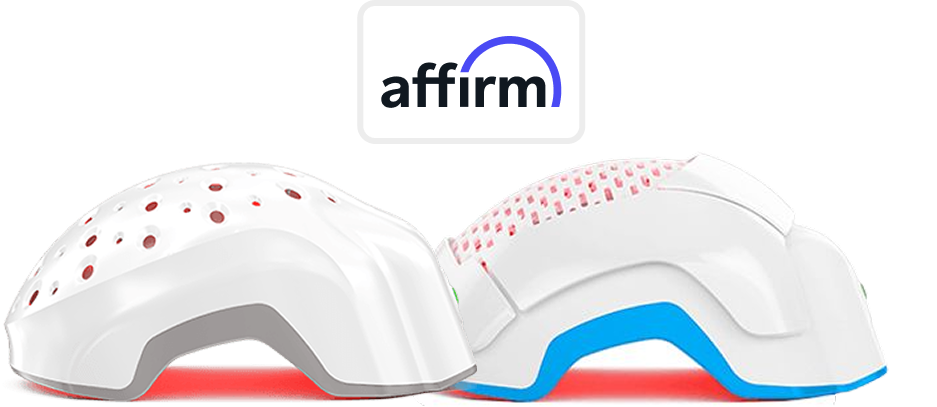
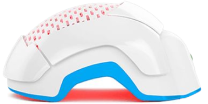
Once your liver condition is being actively managed, laser phototherapy (LPT) can be a useful complement to support the hair regrowth process. Theradome is an FDA-cleared helmet device using US-made lasers, delivering 680 nanometers of light to stimulate hair follicles, with most users seeing visible results within 8 to 12 weeks of consistent use.
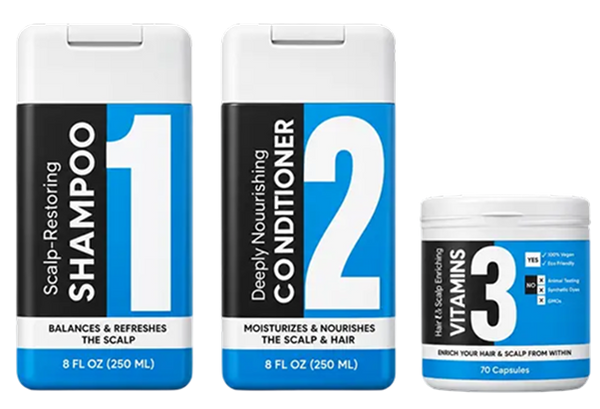
For a full at-home regimen, use either helmet alongside the Complete Hair Growth Bundle. Explore the Theradome PRO LH80 and Theradome EVO LH40 to support your hair recovery alongside your liver treatment plan.