







Berberine is not currently proven to directly cause hair loss. But yes, some people may notice shedding after starting it, especially if berberine is part of a bigger body shift involving reduced appetite, digestive upset, rapid weight loss, calorie restriction, PCOS, medication changes, or low nutrient intake. That is where the hair story gets less neat and more useful.
Hair does not always react to the thing you think it reacted to. Annoying, I know.
Berberine’s better-documented side effects are mostly digestive: abdominal pain, constipation, diarrhea, nausea, vomiting, and sometimes related appetite issues. The National Center for Complementary and Integrative Health also warns that berberine may interact with medicines and should not be used during pregnancy, breastfeeding, or in infants. Hair loss is not listed there as a common berberine side effect.
What Is Berberine, and Why Are People Taking It?
Berberine is a yellow plant-derived compound found in botanicals such as barberry, goldenseal, and Oregon grape. People usually take it as a dietary supplement for metabolic reasons: blood sugar, insulin resistance, cholesterol, weight management, and sometimes PCOS support. It is not a prescription weight-loss drug, and it should not be treated like one just because the internet gave it a shiny nickname.
Also, dietary supplements are regulated differently from prescription medications. The FDA says it does not approve dietary supplements before they are marketed, which means the manufacturer is responsible for safety and labeling before the product reaches shelves. That matters because berberine products can vary in dose, purity, and quality.
Why berberine gets blamed when hair starts shedding
The reason berberine gets pulled into hair-loss conversations is not mysterious. People often begin it while changing several other things at once: eating fewer calories, fasting, cutting carbs, starting a weight-loss plan, adding exercise, taking metformin or GLP-1 medications, or trying to manage PCOS symptoms.
Then hair starts falling.
The tricky part is that hair shedding often lags behind the real trigger. Telogen effluvium, a common temporary shedding pattern, often appears 2 to 3 months after physical or metabolic stress. So the newest supplement may be sitting next to the actual culprit, looking suspicious, while the real trigger happened weeks earlier.
Does Berberine Cause Hair Loss Directly?

Based on current credible evidence, berberine is not proven to directly cause hair loss or alopecia. The most authoritative public safety summaries do not list hair loss as a common adverse effect. Gastrointestinal symptoms are the main reported issues, while LiverTox says berberine has not been linked to liver enzyme elevations or clinically apparent liver injury in published use, with minor adverse effects reported in trials.
Many supplement trials are not designed to track delayed hair shedding, and hair loss can take months to show up after a trigger. So a direct hair-loss link is not established, but indirect shedding triggers can sit around berberine use like little accomplices.
What Side Effects Does Berberine Actually Have?
Berberine’s better-documented side effects are mostly gastrointestinal. NCCIH lists abdominal pain, constipation, diarrhea, nausea, and vomiting as common adverse effects. Its weight-loss safety page also mentions nausea, abdominal pain, bloating, constipation, and diarrhea, and warns that berberine may interact with medicines, including cyclosporine.
In a clinical study of berberine in nonalcoholic fatty liver disease, reported adverse events included stomach upset, reduced appetite, diarrhea, and constipation, with no serious adverse events reported in that trial.
Why digestive side effects can matter for hair
Digestive symptoms matter because hair is fussy about consistency. If nausea makes you skip meals, diarrhea disrupts your routine, or appetite drops enough that protein intake quietly goes down, your scalp may not get the steady support it prefers.
Hair growth is biologically expensive. When the body senses stress, calorie restriction, illness, or nutritional strain, it may shift more hairs into the resting phase. That kind of shedding is called telogen effluvium, and it is usually diffuse rather than a clean bald patch.
Who should be extra cautious with berberine?
Some people should be especially cautious. NCCIH says people who are pregnant or breastfeeding should not use berberine, and infants should not be given berberine because it can cause or worsen jaundice in newborns and may lead to kernicterus. Berberine can pass into breastmilk and may raise the risk of bilirubin buildup in a baby’s brain.
People taking medications should also check with a healthcare professional before using berberine. Human research suggests repeated berberine administration can affect CYP2D6, CYP2C9, and CYP3A4 activity, which means drug interactions are not imaginary little footnotes. They can matter.
How Could Berberine Be Linked to Shedding Indirectly?
Rapid weight loss or calorie restriction
This is the big one.
Rapid weight loss and calorie restriction can trigger telogen effluvium. A 2024 study on telogen effluvium associated with weight loss noted that the precipitating factor may be calorie restriction during dieting rather than weight loss itself. That distinction matters, because a person may blame berberine when the bigger issue is that their body suddenly got fewer calories, less protein, less regular eating, and more metabolic strain.
Telogen effluvium does not usually happen the next morning. It tends to appear after a delay, often around 2 to 3 months after the trigger. So if someone started berberine, lost weight quickly, felt queasy, ate less, and then noticed shedding 8 to 12 weeks later, that pattern deserves attention. Not panic. Attention.
Low protein or inconsistent nutrition
Hair is not a survival organ. The body will prioritize the heart, brain, immune system, blood sugar regulation, and daily functioning before it spends resources on thick, glossy strands.
When protein intake drops, meals become erratic, or dieting becomes too aggressive, shedding risk may rise. This is not a reason to inhale a shelf of supplements. It is a reason to ask whether the body has been adequately fed, especially during weight loss. Telogen effluvium literature repeatedly links shedding with physiologic stressors, including nutritional and metabolic strain.
Digestive upset that changes how much you eat
If berberine causes nausea, constipation, diarrhea, or stomach discomfort, the scalp may not care about the name of the supplement. It cares about the downstream effect. Are you eating enough? Are meals getting skipped? Has protein quietly vanished from breakfast like a thief in socks?
The capsule may not be attacking your scalp. Your body may simply be underfed and annoyed.
Starting too many new things at once
This is where real life ruins clean medical reasoning. Someone starts berberine, begins fasting, cuts calories, adds a “metabolism” tea, increases workouts, changes birth control, gets sick, sleeps badly, and then, two months later, hair starts shedding.
What caused it?
Exactly.
When several body stressors happen together, it becomes harder to isolate one cause. That is why a timeline matters more than a hunch. Write down the berberine start date, weight changes, food changes, new medicines, new supplements, illness, surgery, childbirth, fever, and major stress. Hair often files its complaint late.
Could This Be Telogen Effluvium Instead of Berberine “Damage”?
Telogen effluvium is a form of diffuse shedding that often follows a body stressor. It can show up as more hair in the shower, on the pillow, in your hands after washing, or wrapped around the brush like it has a personal vendetta. Dermatology reviews describe it as abrupt diffuse shedding that often begins months after a trigger.
The follicle is usually not dead. That part is important. In telogen effluvium, many hairs shift into the resting and shedding phase earlier than usual. The strand falls, the follicle cycles, and regrowth may follow once the trigger is corrected. Still, if shedding continues or the pattern looks unusual, it needs a proper scalp evaluation.
Why the delay is the big clue
Hair has a lag. A maddening one.
Acute telogen effluvium commonly appears about 2 to 3 months after the trigger, and some reviews describe shedding 3 to 4 months later. This is why immediate shedding after starting berberine may not fit the most typical TE timeline. It may point to something that happened earlier: illness, fever, restrictive dieting, medication change, postpartum shift, thyroid imbalance, or a stress event that felt “handled” at the time.
So yes, the timing can make you feel like a detective with wet hair and poor lighting. But it is useful. If the shedding began weeks to months after berberine plus rapid diet changes, the indirect pathway becomes more plausible.
Is it permanent?
If the issue is telogen effluvium, it is often temporary once the trigger is corrected. That does not mean every case resolves neatly, or that everyone regains density on the same clock. Hair grows slowly, and waiting can feel like watching paint dry in a room you did not want painted.
Still, acute telogen effluvium usually lasts less than six months, and literature describes many cases improving after the trigger is addressed. Persistent shedding deserves evaluation because chronic TE, androgenetic alopecia, thyroid disease, iron deficiency, inflammatory scalp disease, and other conditions can overlap.
What would make it more urgent?
See a dermatologist sooner if you notice round bald patches, scalp pain, burning, scaling, pustules, shiny scar-like areas, sudden severe shedding, or thinning that follows a clear pattern at the part, crown, temples, or hairline. Treatment depends on finding the cause, and that diagnosis may include scalp examination, blood tests, or other assessment.
Also, if hair loss comes with heavy fatigue, irregular periods, rapid weight change, palpitations, postpartum changes, or symptoms that feel bigger than hair, do not turn it into a private guessing game. Get help. Your scalp may be the loudest symptom, not the only one.
How Is Telogen Effluvium Different From Androgenetic Alopecia?
Telogen effluvium usually feels sudden because the visible shedding increases. You may notice hair coming out across the scalp rather than one exact area slowly thinning. The trigger is often some kind of body stress: illness, surgery, childbirth, calorie restriction, rapid weight loss, emotional stress, medication shift, or nutritional strain.
It can be scary because the amount of shed hair looks unreasonable. But TE is often a cycling problem, not a follicle-death problem.
Androgenetic alopecia is usually patterned thinning
Androgenetic alopecia is different. It is the common pattern hair-loss condition linked with genetic and androgen sensitivity. In women, it often appears as a widening part or reduced density across the central scalp. In men, it may appear as hairline recession, temple thinning, or crown loss. Female pattern hair loss can be treated with minoxidil, and dermatologists may use more than one treatment for best outcomes.
This is not just “more hair falling out.” It is usually miniaturization over time. The strands become finer, shorter, and less dense in patterned areas.
One can reveal the other
Telogen effluvium can make underlying androgenetic alopecia more noticeable. A person may have slow pattern thinning for years, then a shedding episode strips away enough volume that the part suddenly looks wider.
The berberine bottle gets blamed because it has a start date. The follicle history may be older.
This is why the right question is not only, “Did I start berberine?” It is also, “What pattern is my scalp showing?”
What About Berberine, PCOS, and Hormonal Hair Loss?
PCOS itself can be tied to hair changes
PCOS complicates the berberine-hair-loss question because PCOS itself can involve androgen-related symptoms. Some people have scalp thinning, acne, excess facial or body hair, irregular periods, insulin resistance, or weight changes. A study of female patients presenting to a hair-loss clinic found PCOS can be relevant in the evaluation of women with hair thinning, especially when other clinical signs such as hirsutism, acne, or acanthosis nigricans are present.
So if someone with PCOS starts berberine and then notices shedding, the timeline deserves respect. But PCOS may already be part of the hair story. Not always. Often enough to check.
Berberine has been studied in PCOS, but not as a proven hair-loss treatment
Berberine has been studied in PCOS, mainly around insulin resistance, metabolic markers, body composition, and reproductive outcomes. A systematic review and meta-analysis assessed berberine’s effects in PCOS with insulin resistance, and other trials have compared berberine with treatments such as metformin or myoinositol. That is not the same as proving berberine treats scalp hair loss.
Berberine may be relevant to metabolic features in some PCOS research contexts, but it is not a proven therapy for PCOS-related androgenetic alopecia. And it should not replace medical care for PCOS, fertility concerns, diabetes risk, or persistent hair thinning.
Why PCOS makes causation murky
With PCOS, several things can be true at once. A person may take berberine for insulin resistance. They may also change diet, lose weight, start exercising, adjust medication, or deal with androgen-related thinning. Then shedding appears and the brain grabs the newest suspect.
Understandable.
But not always accurate.
For PCOS, look at the hair-loss pattern, the timeline, the diet changes, the medication list, and the hormone picture. A dermatologist and endocrinology-aware clinician can help separate reactive shedding from androgenetic alopecia.
Could Berberine Affect Nutrients Needed for Hair?
There is not strong evidence that berberine directly drains iron, zinc, B12, or vitamin D in a clean, predictable way.
The more plausible issue is intake. If berberine causes nausea, digestive discomfort, appetite reduction, or helps someone eat much less, then calories, protein, iron-rich foods, or overall nutrient intake may drop. Hair may respond to that body stress through telogen effluvium. This is especially relevant if the person is also dieting hard or losing weight quickly.
What labs may be worth discussing with a clinician
If shedding starts after berberine, a clinician may consider the bigger picture: recent weight loss, diet, menstrual history, medications, thyroid symptoms, PCOS signs, and scalp pattern. Depending on the situation, lab discussions may include CBC, ferritin or iron studies, thyroid function, vitamin D, B12, zinc, and androgen-related labs if symptoms suggest PCOS or androgen excess.
This is not a universal “everyone needs every test” command. It is a sane conversation list. Hair loss has many causes, and the American Academy of Dermatology notes that diagnosis may involve asking questions, examining the scalp, and sometimes using blood tests or scalp biopsy when needed.
What Should You Do If Your Hair Starts Falling Out While Taking Berberine?
If berberine was recommended by a healthcare professional, or you take it alongside medications, do not abruptly change everything without checking in. Berberine may interact with medicines, and human data suggest it can affect enzymes involved in drug metabolism. This is especially relevant for people taking diabetes medications, cyclosporine, blood pressure drugs, anticoagulants, thyroid medication, or other long-term prescriptions.
If you have severe symptoms such as faintness, severe vomiting, allergic reaction signs, jaundice, pregnancy, breastfeeding, or major medication concerns, that is not “wait and see” territory. Please speak with a clinician.
Rebuild the timeline
Start with dates.
Write down when you started berberine, when shedding began, and what else changed in the three to four months before the hair fall became obvious. Include weight loss, calorie restriction, fasting, protein intake, illness, fever, surgery, childbirth, emotional stress, new medications, new supplements, birth-control changes, thyroid symptoms, menstrual changes, and PCOS symptoms.
Because telogen effluvium often appears months after the trigger, the “real” event may not be the thing you started last week. It may be the thing your body endured in February while your scalp waited until April to complain.
Check the pattern
Diffuse shedding across the scalp leans more toward telogen effluvium. A widening part, crown thinning, or temple recession may suggest androgenetic alopecia. Round bald patches can point toward alopecia areata or another focal hair-loss condition. Scaling, pain, redness, pustules, or shiny areas need quicker dermatology attention.
This is the moment to resist mirror math. You know the kind: leaning under harsh bathroom lighting, parting the same spot twelve times, deciding your scalp has changed in the last nine minutes. We have all been there. It is not data. Photos in consistent lighting are better.
Get the right professional involved
A dermatologist can examine the scalp and help identify whether the issue looks like telogen effluvium, androgenetic alopecia, alopecia areata, inflammatory scalp disease, or another condition. A primary care clinician may help evaluate labs and medications. An endocrinologist or gynecologist may be useful if PCOS, thyroid disease, irregular cycles, or androgen symptoms are involved.
And if dieting has been intense, a registered dietitian can help rebuild nutrition without turning meals into a punishment spreadsheet. That part matters too. Hair often suffers when the plan is “less everything, more discipline.” The body is not always impressed.
Can You Keep Taking Berberine and Protect Your Hair?
If you and your clinician decide berberine still makes sense, the hair-friendly move is not panic. It is steadiness. Avoid stacking berberine with aggressive calorie restriction, intense fasting, sudden exercise spikes, and low protein intake all at once. Rapid weight loss and calorie restriction are recognized telogen effluvium triggers, and hair is usually happier when the body does not feel abruptly under-resourced.
Abrupt changes can work on paper and still make the body grumble. Hair is one of the places that grumble becomes visible.
Eat like your follicles are not decorative freeloaders
Your follicles are metabolically active little workers. They need a steady supply of amino acids, micronutrients, and overall energy. That does not mean everyone needs a supplement cabinet that looks like a tiny pharmacy with commitment issues. It means eating enough, especially enough protein, during weight loss or metabolic treatment.
If berberine dulls appetite, the fix may be basic and unsexy: regular meals, adequate protein, iron-rich foods when appropriate, and a clinician-guided check if symptoms suggest deficiency. Plain food before panic pills. Often.
Introduce changes one at a time
When possible, do not start berberine, a new diet, fasting, a GLP-1 drug, extra workouts, and a supplement stack in the same two-week window.
One change at a time makes it easier to know what is helping, what is hurting, and what your scalp is grumbling about.
Talk to a clinician if you take medication
Berberine may interact with medicines. NCCIH specifically notes cyclosporine as an example, and human research has shown repeated berberine administration can reduce CYP2D6, CYP2C9, and CYP3A4 activity. Those enzymes help process many drugs. So if you take prescription medication, bring berberine into the conversation before assuming “natural” means “automatically harmless.”
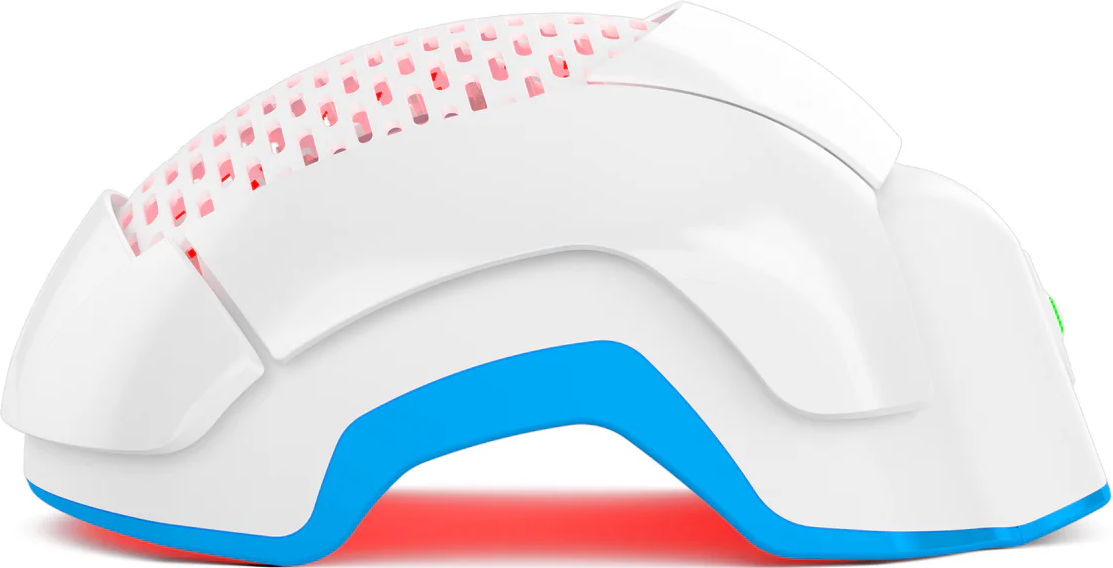
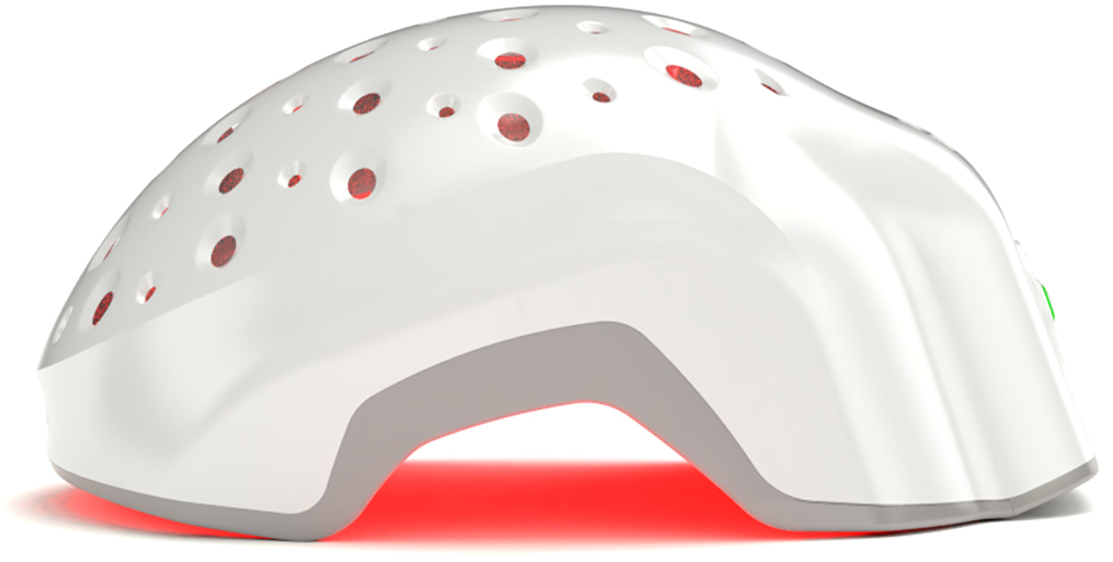
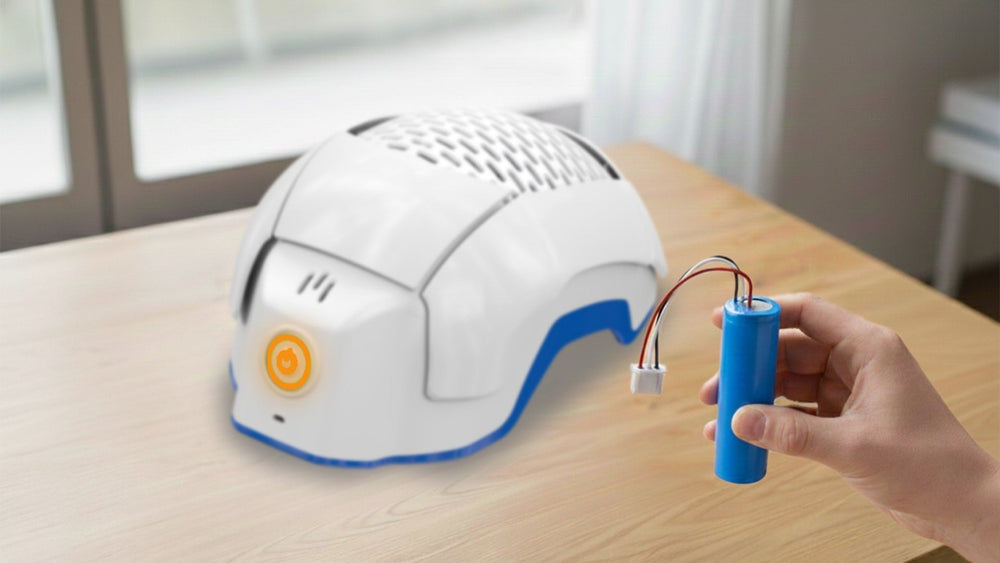
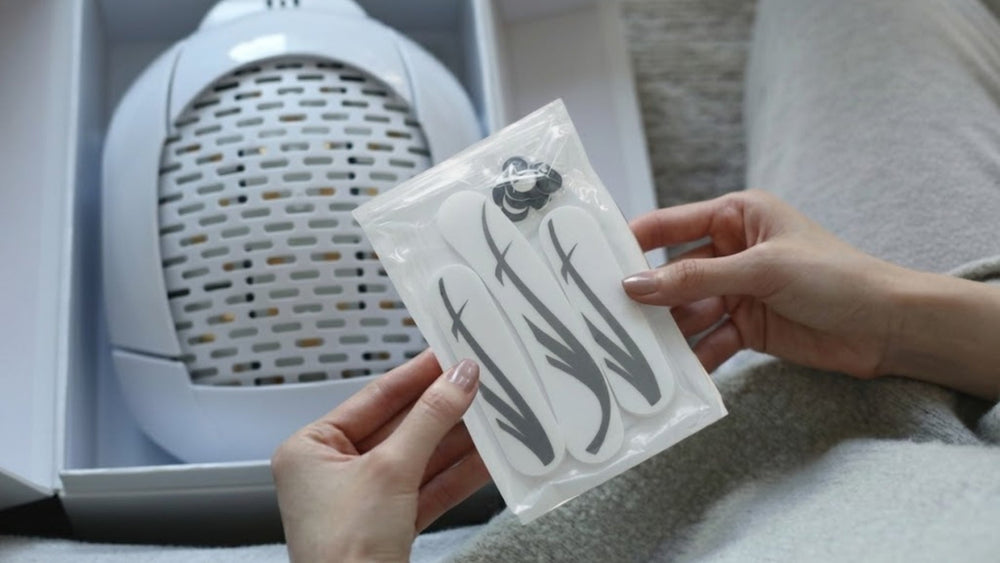
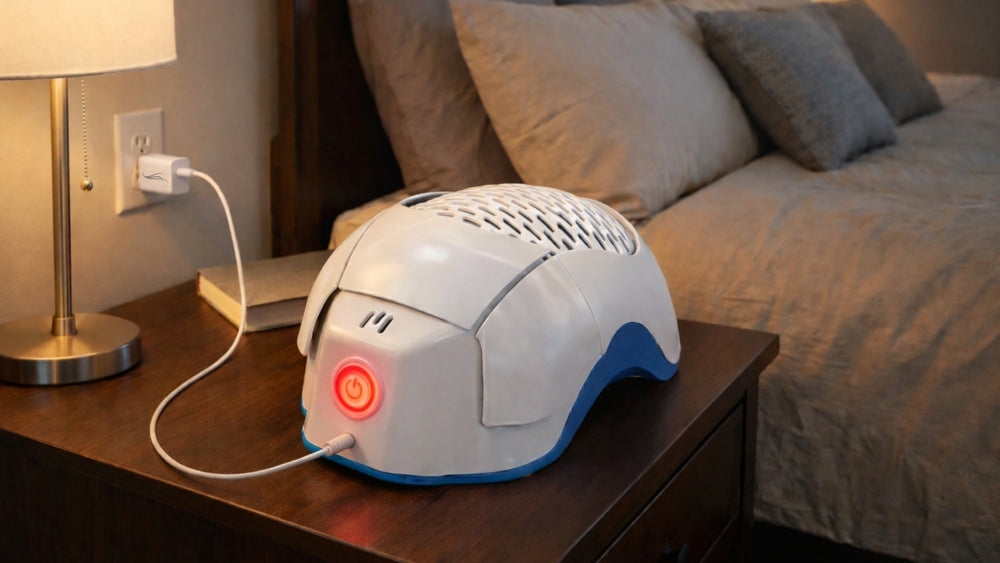
Where Does Laser Phototherapy Fit If You’re Losing Hair?
If hair shedding is being driven by crash dieting, illness, thyroid imbalance, iron deficiency, postpartum shifts, medication changes, or under-eating, the first job is to identify and address that trigger.
If the issue is telogen effluvium, support the body, correct the trigger, and get evaluated if shedding persists. If the issue is androgenetic alopecia, that is a different lane.
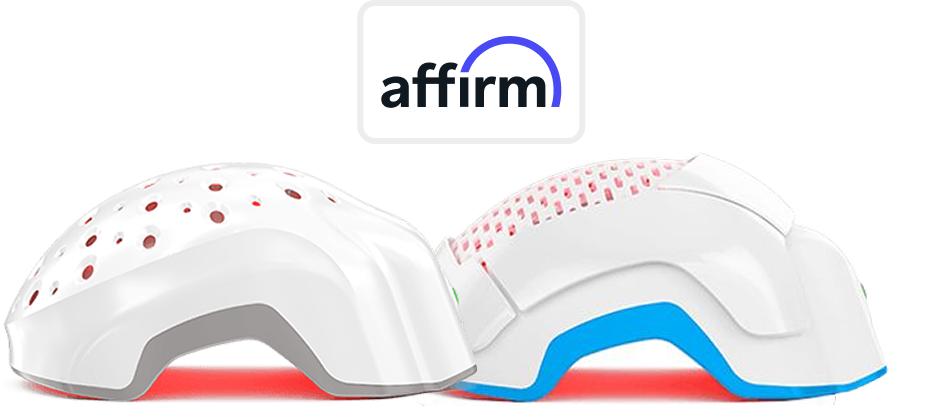
Laser phototherapy, often called low-level light therapy in dermatology literature, has more relevance in hereditary or androgenetic pattern hair loss. The American Academy of Dermatology says laser therapy may be an option for hereditary hair loss, and a meta-analysis found minoxidil, finasteride, and low-level laser light therapy effective for promoting hair growth in androgenetic alopecia, with treatment choice depending on patient fit and medical context.
The key is matching the tool to the hair-loss type. Pattern thinning? LPT may be worth discussing. Sudden shedding after calorie restriction? First, fix the trigger.
When Should You See a Doctor About Hair Loss on Berberine?
Get medical guidance sooner if shedding is severe, lasts longer than six months, appears in bald patches, includes scalp pain, scaling, redness, burning, pustules, or shiny scar-like patches, or follows a clear pattern at the crown, part, temples, or hairline. The AAD notes that hair-loss diagnosis may involve scalp examination, questions about health history, blood tests, and sometimes other procedures depending on the suspected cause.
Also get help if hair loss arrives with fatigue, heavy periods, irregular cycles, rapid weight change, palpitations, pregnancy, breastfeeding, or medication changes. Hair may be the symptom that gets your attention, but it may not be the only thing going on.
What to ask for at the appointment
Bring your timeline. Bring the supplement bottle. Bring medication names, dose changes, weight changes, diet changes, cycle changes, recent illness, and photos if you have them. This is not overkill. It is practical.
Depending on your symptoms, a clinician may examine your scalp, check for miniaturization, consider a hair-pull test, review medications, and order labs such as CBC, ferritin or iron studies, thyroid function, vitamin D, B12, zinc, or androgen-related testing. Not everyone needs every test. The point is targeted evaluation, not medical bingo.
What not to do while waiting
Do not start high-dose biotin just because the hair aisle whispered sweet nonsense at you. Do not add five new supplements in a panic. Do not scrub your scalp like you are trying to remove evidence. Do not assume every shed strand means permanent loss.
And please, do not ignore pattern thinning while chasing the newest supplement villain.
Conclusion
Berberine is not currently proven to directly cause hair loss. But if it changes appetite, digestion, eating patterns, weight, medication effects, or overlaps with PCOS and metabolic shifts, hair shedding can still show up in the mess around it. That is the annoying but useful truth.
Look at the timing. Look at the pattern. Look at what changed two to four months before the shedding began.
If the loss is diffuse and follows body stress, telogen effluvium may be involved. If thinning is patterned or persistent, androgenetic alopecia deserves proper evaluation.