






To use conditioner for hair properly, shampoo your scalp first, rinse, gently squeeze out extra water, then apply conditioner mostly from the mid-lengths to the ends. Leave it on for the time listed on the product label, detangle gently if needed, and rinse well unless the formula is specifically made to stay in your hair.
Conditioner is not a hair-growth treatment. It is a hair-shaft support product. Its main job is to reduce friction, smooth rough-feeling strands, improve combing, reduce static, and help protect fragile hair from everyday snapping and tangling. Dermatology literature describes conditioners as products that flatten cuticle scales, reduce static electricity, reduce friction between hair fibers, and improve shine and manageability.
What Does Conditioner Actually Do to Your Hair?
Hair conditioner is made for the strand you can see and touch. More specifically, it works on the hair shaft: the fiber that has already grown out of the scalp.
That matters because hair outside the scalp is not living tissue in the way skin is living tissue. So conditioner cannot “feed” hair from the inside, wake up a sleepy follicle, or reverse pattern hair loss. It can, however, make the hair shaft less rough, less grabby, less electrically dramatic, and easier to manage after cleansing. Cosmetic science reviews describe conditioners as hair products that improve the surface behavior of fibers through conditioning agents, oils, polymers, proteins, and similar ingredients.
And honestly, that is plenty useful.
Conditioner smooths the outer surface of the strand
The outermost layer of the hair fiber is called the cuticle. You can think of it as overlapping scales on the outside of the strand, though not in a creepy fish way. When the cuticle is roughed up by washing, brushing, heat, bleach, color, sun, or plain old daily friction, hair tends to feel dry, frizzy, stiff, tangled, or dull.
Conditioner helps those cuticle scales lie flatter and reduces friction between strands. That is one reason hair often feels softer and easier to comb after conditioning. A dermatologist-focused review on shampoos and conditioners notes that conditioners reduce static electricity, flatten cuticle scales over the hair shaft, and lower friction between hair fibers.
Conditioner lowers friction, which is the quiet hero
Friction is one of those boring words that does not get enough respect. When hair strands rub, snag, scrape, and cling to one another, you get tangles. Then you comb harder. Then the strand stretches, frays, or snaps. Then you stare at the hair in your brush like it betrayed you.
Conditioner helps reduce that tug-of-war. A 2021 review on hair cosmetics for people with hair loss explains that conditioners aim to reduce hair weathering and damage by lowering friction between fibers, reducing combing forces, neutralizing charge, and improving manageability.
What Are the Benefits of Using Conditioner for Hair?

It makes hair easier to detangle
Conditioner adds slip. That means strands slide past one another more easily instead of catching, knotting, and forming those tiny snarls that somehow feel personal.
This matters most when hair is wet, long, curly, coily, bleached, chemically treated, or already fragile. Dermatology sources describe conditioner as improving combability and manageability, and the American Academy of Dermatology recommends detangling curly and coily hair with leave-in conditioner, fingers, a wide-tooth comb, or a brush designed for curly or coily hair.
A wide-tooth comb is not glamorous either. But neither is snapping your ends because you were in a hurry.
It can reduce breakage from grooming
Conditioner does not stop shedding from the root. That is a different conversation.
But it can help reduce breakage, which happens when the hair shaft snaps along its length. Breakage often comes from friction, rough detangling, chemical processing, heat styling, tight styles, or a strand that has simply been through too much. Conditioner reduces friction and combing force, which may lower mechanical stress during brushing and styling.
This distinction is important because people often see hair in the shower and think, “My conditioner is making my hair fall out.” Sometimes, those hairs were already shed. Sometimes, it is breakage. Sometimes, it is a scalp or medical issue. The answer depends on what the hair looks like and what else is happening.
It helps hair feel smoother and look shinier
When the cuticle surface sits flatter, hair usually reflects light more evenly. That can make strands look shinier, even though the conditioner has not changed your follicle biology.
The smoother feel comes from changes to the fiber surface. Conditioning agents deposit on hair, reduce roughness, and improve tactile feel. Cosmetic science reviews describe conditioners as products designed to improve hair appearance, softness, combing, and manageability.
So yes, conditioner can make hair look healthier. But: “look and feel healthier” is not the same as “fully repaired.”
It can reduce frizz and static
Frizz can come from raised cuticles, weathered strands, humidity, curl pattern, damage, static, or a delightful mix of all the above. Conditioner helps by reducing roughness and static electricity, which can make hair lie more smoothly.
The static part matters more than people think. Hair fibers can build up electrical charge after washing, brushing, or rubbing against fabric. Conditioner helps neutralize that charge, which can reduce flyaways and that “why is my hair levitating?” moment. Conditioners reduce static electricity and help cuticle scales lie flatter.
It protects fragile ends from everyday wear
The ends of your hair are the oldest part. They have survived the most shampooing, combing, towel rubbing, heat, styling, sun, color, bleach, pillow friction, and weather. Basically, your ends have seen things.
Conditioner helps by coating and lubricating the hair shaft, especially those older ends. The American Academy of Dermatology recommends coating the ends when conditioning Black hair because the ends are the oldest and most fragile part of the hair.
That advice applies more broadly too. Ends usually need more help than roots because roots are newer and closer to scalp oils.
How to Use Conditioner for Hair, Step by Step
Step 1: Shampoo your scalp first
Shampoo is mainly for the scalp. That is where sweat, oil, skin cells, styling residue, and buildup collect. Conditioner is mainly for the hair shaft. Keeping those jobs separate prevents a lot of wash-day nonsense.
Massage shampoo into the scalp gently, then let the rinse water carry some cleanser through the lengths. Most people do not need to scrub the ends as if they owe rent. Washing frequency should depend on scalp oiliness, hair type, and whether flakes or product buildup are present.
Step 2: Squeeze out extra water
After rinsing shampoo, gently squeeze out excess water before applying conditioner. Your hair should still be wet, just not dripping like a broken tap.
Why bother? Because conditioner needs enough contact with the hair fiber to spread properly. If your hair is soaked and the conditioner slides straight off, you are mostly conditioning the drain.
This is practical guidance rather than a medical claim. Product labels vary, so the final timing and application amount should still follow the formula’s directions.
Step 3: Apply conditioner mainly from mid-lengths to ends
For most people, the safest default is this: apply conditioner from the mid-lengths to the ends. If your hair is fine, oily, straight, or easily flattened, keep conditioner away from the roots unless your product or professional specifically says otherwise.
For curly, coily, very dry, bleached, or highly textured hair, you may need more generous strand coverage. Curly hair is drier than other hair types and recommends using a thick conditioner after washing. It also advises detangling curly and coily hair while wet, with leave-in conditioner and gentle tools.
Step 4: Let it sit long enough to work
Follow the label. Some rinse-out conditioners are made for brief contact. Some masks or deep conditioners need longer. A common rinse-out window is a few minutes, but formulas differ, and more time is not automatically better.
Leaving a product on longer than instructed can increase residue, heaviness, or irritation in some people. And if the product is a rinse-out conditioner, do not turn it into a leave-in because you got ambitious in the shower. Rinse-off and leave-in conditioners have different chemistry, and rinse-off products are meant to be rinsed out.
Step 5: Detangle gently if your hair needs it
If your hair tangles, use the conditioner stage to detangle gently. Start near the ends, then work upward. Use your fingers, a wide-tooth comb, or a brush designed for your curl or coil pattern.
For curly or coily hair, this step can be the difference between “nice wash day” and “why did I start this at 10:47 p.m.?” The American Academy of Dermatology recommends detangling curly and coily hair in sections and avoiding dry brushing to reduce breakage and frizz.
Step 6: Rinse well, unless it is leave-in conditioner
Rinse-out conditioner should be rinsed thoroughly. If your hair feels sticky, dull, greasy, coated, itchy, or strangely heavy after washing, poor rinsing or too much product may be part of the issue.
Leave-in conditioner is different. It is designed to stay on the hair after washing, usually from mid-strands to ends. Leave-in conditioner can be useful, especially for long or chemically treated hair, but it should not be applied to the scalp.
Should Conditioner Go on Your Scalp?
Usually, no
For many people, standard conditioner belongs on the lengths and ends, not the scalp. Your scalp already produces sebum, and applying rich conditioner near the roots can leave some hair types greasy, flat, or coated.
This is especially true for fine hair, oily scalps, and short styles where product spreads quickly. The American Academy of Dermatology’s leave-in conditioner guidance recommends applying leave-in products from mid-strands to ends, not the scalp.
The scalp is not the villain. It just does not always need the same thing your dry ends need.
When scalp contact might happen
A rinse-out conditioner may briefly touch your scalp while you wash. That is not a crisis. Some scalp-specific products are also made for scalp use.
But a normal hair conditioner should not be treated as a scalp treatment for itching, flaking, soreness, dandruff, psoriasis, folliculitis, or hair loss. Those need the right diagnosis and the right care. Conditioner may make strands feel better, but it cannot diagnose your scalp from a shower shelf.
And if your scalp keeps complaining? Listen.
When to be careful
Stop using a conditioner if it causes itching, burning, rash, bumps, swelling, or irritation along the scalp, hairline, neck, ears, or eyelids. Hair-care products can trigger allergic or irritant contact dermatitis in some people, and recent reviews identify fragrances and other cosmetic ingredients as possible allergens.
This does not mean conditioner is scary. It means your skin gets a vote.
How Often Should You Use Conditioner?
For many people, conditioner after shampoo is a reasonable default. Shampoo cleanses. Conditioner helps restore slip and manageability to the hair shaft.
That is especially helpful if your hair is dry, long, curly, coily, color-treated, bleached, heat-styled, or prone to tangles.
Fine or oily hair may need less product, not zero conditioner
If your hair gets greasy fast, conditioner may still help your ends. You may just need a lighter formula, a smaller amount, better rinsing, and stricter placement.
Try applying conditioner only to the last few inches first. If your hair still feels rough, move slightly higher next time. If it turns limp by lunch, pull back.
Hair care should be adjusted by oiliness, texture, and buildup rather than forced into one universal routine.
Curly, coily, and Black hair often need more consistent conditioning
Curly and coily hair often needs more deliberate conditioning because bends in the fiber make it easier for strands to tangle and harder for scalp oils to travel evenly along the hair shaft. Curly hair is drier than other hair types and recommends thick conditioner after washing.
For Black hair, the American Academy of Dermatology recommends using conditioner every time hair is washed and paying special attention to the ends, since they are the oldest and most fragile part.
This is one place where generic “just use a pea-sized amount” advice falls apart. Look, some hair needs more slip. Some needs less. The bottle does not know your density, your curl pattern, your color history, or your Monday morning detangling mood.
What Type of Conditioner Should You Use for Your Hair Type?
Fine or flat hair
Fine hair usually does best with lightweight conditioner, a smaller amount, and careful placement away from the scalp. If conditioner makes your hair look limp, greasy, or oddly flat, the formula may be too heavy or you may be applying it too high.
Look for lighter rinse-out formulas or a light leave-in only on the ends. Silicones and oils are not automatically bad, but heavy formulas can be too much for fine strands. They are common conditioning ingredients that improve slip and feel, with effects depending on formula and hair type.
Thick hair
Thick hair often needs more product and better distribution. If conditioner only sits on the outer layer, the inner sections may stay rough, dry-feeling, or tangled.
Apply in sections if needed. Smooth through the lengths with fingers, then detangle gently. Modern hair-conditioning research describes conditioning performance as connected to deposition on hair fibers, surface films, friction, and fiber behavior, which is a fancy way of saying: the product has to actually reach the strands it is meant to help.
Wavy hair
Wavy hair can be moody. Too little conditioner and it frizzes. Too much and the wave pattern drops like it has given up.
Use a medium-light conditioner on the mid-lengths and ends, then adjust based on how your hair dries. If your waves feel rough or expand in humidity, you may need more slip. If they turn flat or stringy, use less or rinse more thoroughly.
Curly hair
Curly hair often needs richer conditioning than straight hair because it tends to be drier and more tangle-prone. AAD recommends using a thick conditioner after washing curly hair and detangling with leave-in conditioner, fingers, a wide-tooth comb, or a curl-friendly brush.
Work in sections. Add enough conditioner to create slip. Do not attack knots from the root downward unless you enjoy unnecessary drama.
Coily hair
Coily hair usually benefits from generous conditioning, sectioning, and slow detangling. Tight bends along the strand can make dryness, friction, knots, and breakage more likely, especially if hair is handled roughly or styled tightly.
Use conditioner in sections, focus on slip, and give the ends extra care. AAD guidance for curly and coily hair recommends detangling while wet with leave-in conditioner and working in sections to reduce frizz and breakage.
Color-treated or bleached hair
Color-treated and bleached hair often feels rougher because chemical processing can change the fiber surface and increase damage. Conditioner can improve manageability, smoothness, and slip, but it should not be framed as a full repair for chemical damage.
Protein-based or bond-support formulas may temporarily improve the feel or mechanical behavior of some damaged hair, but claims should stay measured. Research on damaged hair and conditioning materials often studies fiber-level improvements, not a magical return to untouched hair.
Sensitive scalp
If your scalp reacts easily, choose fragrance-free or lower-irritant formulas when possible, and avoid rubbing standard conditioner into the scalp unless the product is meant for that use.
Fragrances and other hair-care ingredients can cause allergic reactions in some people. If a conditioner causes rash, itching, burning, or irritation, stop using it and speak with a dermatologist if symptoms persist.
Your scalp should not feel like it is filing a complaint.
Rinse-Out Conditioner, Leave-In Conditioner, Deep Conditioner: What’s the Difference?
Rinse-out conditioner
Rinse-out conditioner is the regular post-shampoo formula most people use in the shower. You apply it to wet hair, let it sit briefly, then rinse it out.
Its job is to smooth the hair shaft, reduce friction, improve combing, reduce static, and make hair easier to manage. Dermatology reviews describe these as core conditioner effects.
Good for: most wash days.
Watch for: overuse, poor rinsing, root heaviness, or scalp irritation.
Leave-in conditioner
Leave-in conditioner is made to stay on your hair after washing. It can help with detangling, frizz, and fragile ends, especially if your hair is long, curly, coily, dry, chemically treated, or prone to roughness.
Apply it from the mid-lengths to the ends. Leave-in conditioner should not be applied to the scalp and rinse-off conditioner should not be used as a leave-in because the products have different chemistry.
This is the shower shelf rule: if the label says rinse, rinse.
Deep conditioner or hair mask
Deep conditioners and masks are richer, longer-contact products. They may help dry, bleached, curly, coily, or rough-feeling hair feel softer and easier to handle.
But “deep” does not mean “unlimited.” Use the timing on the label. Too much heavy conditioning can leave fine hair limp or leave some hair types feeling coated. Protein-heavy products can also make some hair feel stiff if overused.
Co-wash or cleansing conditioner
Co-washing means cleansing with a conditioner-like product instead of a traditional shampoo. It can suit some curly, coily, dry, or textured hair routines, but it is not right for everyone.
If your scalp becomes itchy, flaky, oily, coated, or irritated, you may need a different cleansing schedule. Washing frequency should depend on oiliness, hair type, buildup, and scalp condition.
What Ingredients Should You Look for in Conditioner?
Conditioner ingredients fall into two loose groups: the ones that help the hair shaft feel smoother, and the ones that support the scalp environment. That distinction matters. A smoothing ingredient can make your ends behave better. A scalp active can help when flaking, irritation, or dandruff is part of the problem.
Both are useful.
They are just not doing the same job.
Cationic conditioning agents
Many conditioning ingredients are positively charged. Damaged hair often carries more negative charge, so these ingredients can deposit on the hair fiber and help reduce static, friction, roughness, and that dry “Velcro hair” feeling.
That little charge interaction is part of why conditioner feels so different from shampoo. A physicochemical review of hair care describes conditioning performance through hair surface behavior, ingredient deposition, friction changes, and fiber feel, which is the science-y way of saying: good conditioner helps strands stop fighting each other in public.
Fatty alcohols
Fatty alcohols like cetyl alcohol and stearyl alcohol are common in conditioners. Do not panic at the word “alcohol.” These are not the harsh, drying alcohols people usually worry about.
In conditioners, fatty alcohols help give the formula creaminess, slip, and a softer feel on the hair. Cosmetic-science reviews describe fatty alcohols as common formulation ingredients used to improve texture, product structure, and hair feel.
Silicones
Silicones can improve slip, smoothness, shine, and frizz control. They are not automatically “bad,” even though the internet does enjoy putting ingredient names on trial for sport.
Some hair types may dislike silicone buildup or heaviness, especially with infrequent cleansing. But for many people, silicones are useful conditioning agents. The better question is not “silicone or no silicone?” It is “does this formula suit my hair texture, scalp, and wash routine?”
Annoyingly practical. Usually correct.
Oils and butters
Oils and butters can help with lubrication, softness, and dry-feeling ends, especially in thick, curly, coily, or highly textured hair. They can also weigh down fine hair.
So yes, shea butter may be lovely for one person and too much for another. Same ingredient. Different hair. That is why “rich” does not always mean “better.” Sometimes it just means your roots look tired by noon.
Proteins
Protein conditioners may help some damaged hair feel stronger, smoother, or more structured for a while. Hydrolyzed proteins are often used because smaller protein fragments can interact more easily with the hair fiber.
But protein is not always the answer. Some hair becomes stiff, rough, or brittle-feeling with too much protein-heavy care. Research into damaged hair and conditioning materials supports careful, formula-specific wording rather than broad “repair” promises. Conditioner can improve feel and handling. It cannot turn over-bleached hair back into untouched hair by Wednesday.
Piroctone Olamine
Piroctin Complex, also known by its key active Piroctone Olamine, belongs in the scalp-support conversation more than the classic strand-smoothing conversation. It is commonly used in anti-dandruff and scalp-care formulas because it has antifungal activity against Malassezia, a yeast linked with dandruff and seborrheic dermatitis.
That matters because a flaking, itchy, irritated scalp can make hair feel like the whole routine is failing. Sometimes the issue is not that your conditioner is “too weak.” Sometimes the scalp is irritated, unbalanced, or dealing with yeast-driven flaking. Piroctone Olamine helps support a cleaner, calmer-feeling scalp environment by targeting that microbial side of dandruff care.
There is also early clinical research around Piroctone Olamine and hair shedding. In an 8-week randomized, double-blind, placebo-controlled study of women with self-perceived thinning, Piroctone Olamine-containing shampoo and leave-on products showed statistically significant increases in hair amount versus placebo, with the shampoo also improving scalp condition markers. The researchers framed the effect as scalp-condition improvement and hair retention support, not as a cure for genetic hair loss.
Conditioning ingredients help the strand feel smoother. Piroctone Olamine helps support the scalp environment, especially when dandruff, flaking, or irritation are part of the picture.
Different roles. Same routine goal.
Healthier-feeling hair that is easier to live with.
Checkout our Complete Hair Growth Bundle with Piroctin Complex.
Fragrance and potential irritants
Fragrance makes conditioner smell pretty. It can also irritate some scalps.
Fragrance and several other hair-care ingredients can trigger allergic reactions in susceptible people. That does not make fragrance evil. It just means sensitive-scalp readers should pay attention if a product causes itching, burning, rash, swelling, bumps, or irritation. Recent hair-product allergy literature identifies fragrance as one of the common allergen categories in hair-care reactions.
Can Conditioner Help With Hair Growth or Hair Loss?
Conditioner does not treat androgenetic alopecia, alopecia areata, telogen effluvium, scarring alopecia, or other medical causes of hair loss. It works on the hair shaft, not the follicle.
That is not a weakness. It is just its job description. Conditioner helps existing strands feel smoother, comb more easily, and resist some grooming-related breakage. For actual hair loss, the cause matters. Hair loss has many causes and we recommend seeing a GP if you are worried before going to a commercial hair clinic.
Conditioner can help protect fragile existing hair
If your hair is thinning-looking because of breakage, conditioner may help by reducing friction and combing force. If your hair is shedding from the root, conditioner will not solve the underlying trigger.
The visual difference can be confusing. Broken strands may make hair look thinner at the ends. Shed hairs often have a small bulb at the root end. Progressive thinning, widening part, sudden shedding, patchy loss, scalp pain, or inflammation needs proper assessment.
For follicle-level hair loss, the approach is different
If the issue is pattern hair loss, conditioner is not the main tool. It may support the strands you already have, but follicle-level concerns need evidence-based options that are designed for that deeper biology.
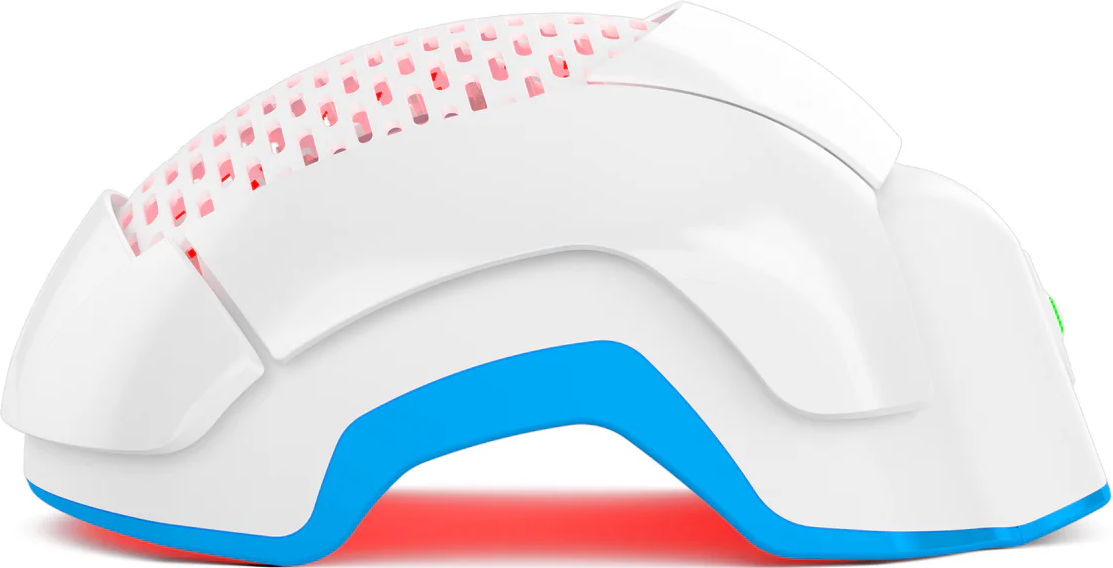
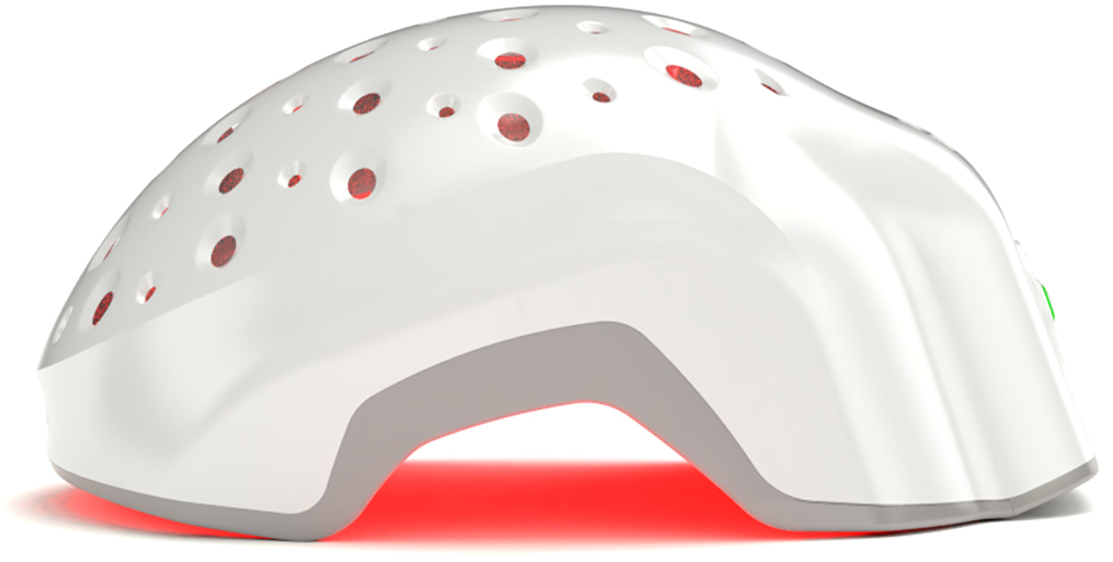
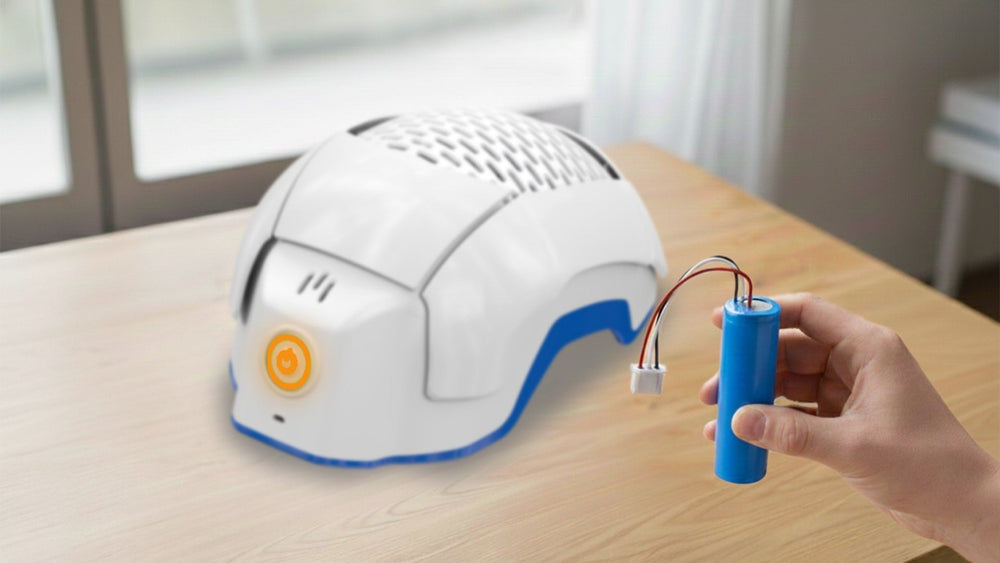
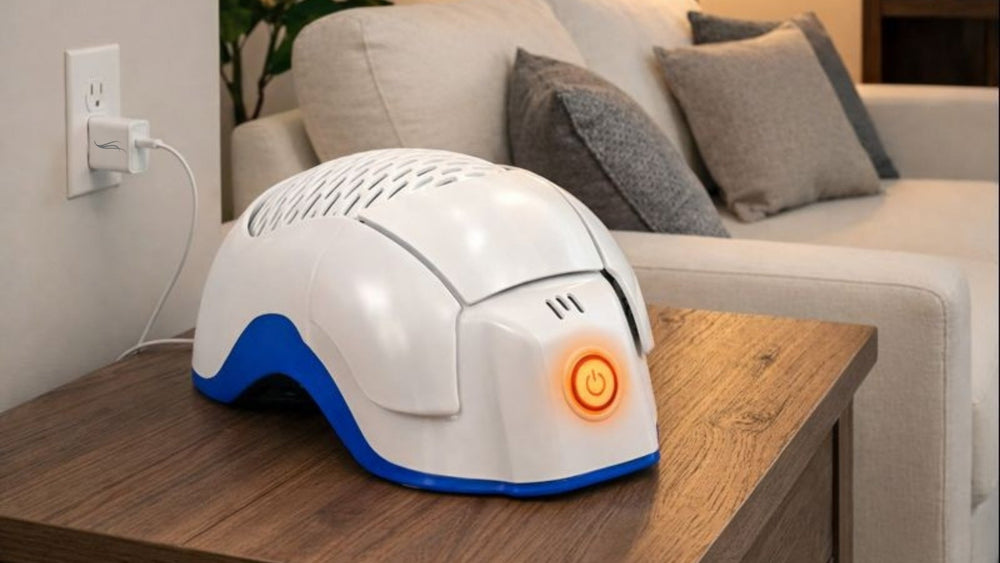
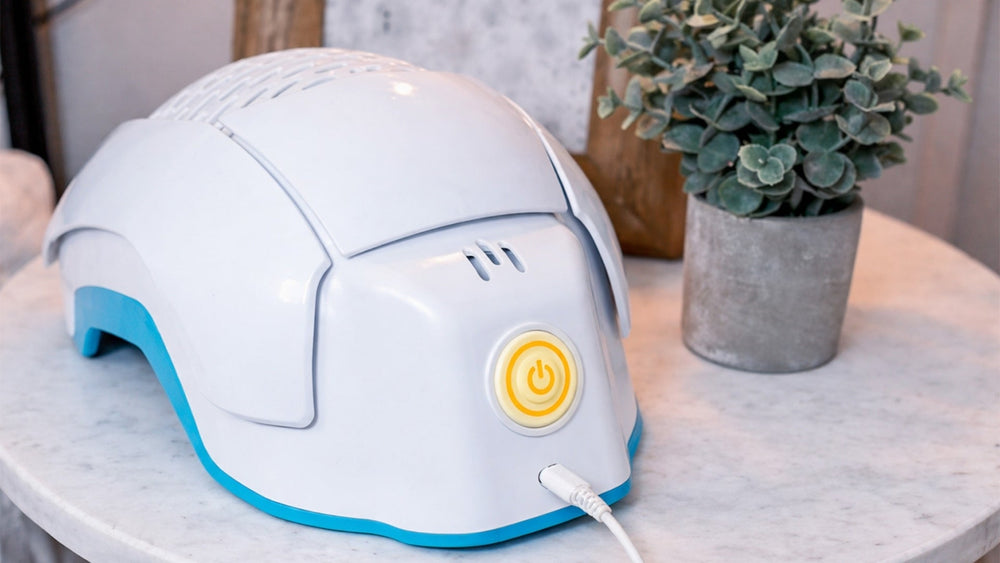
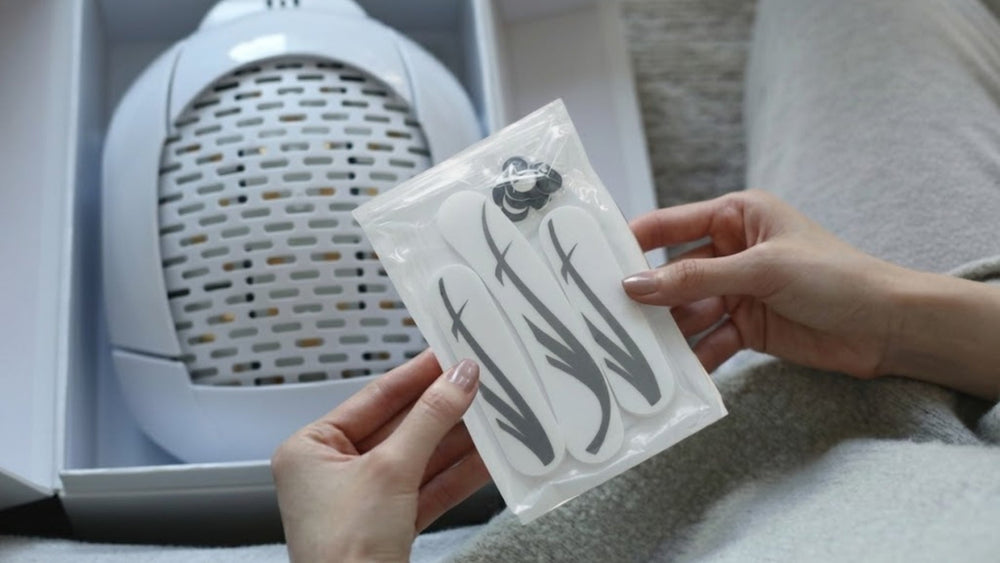
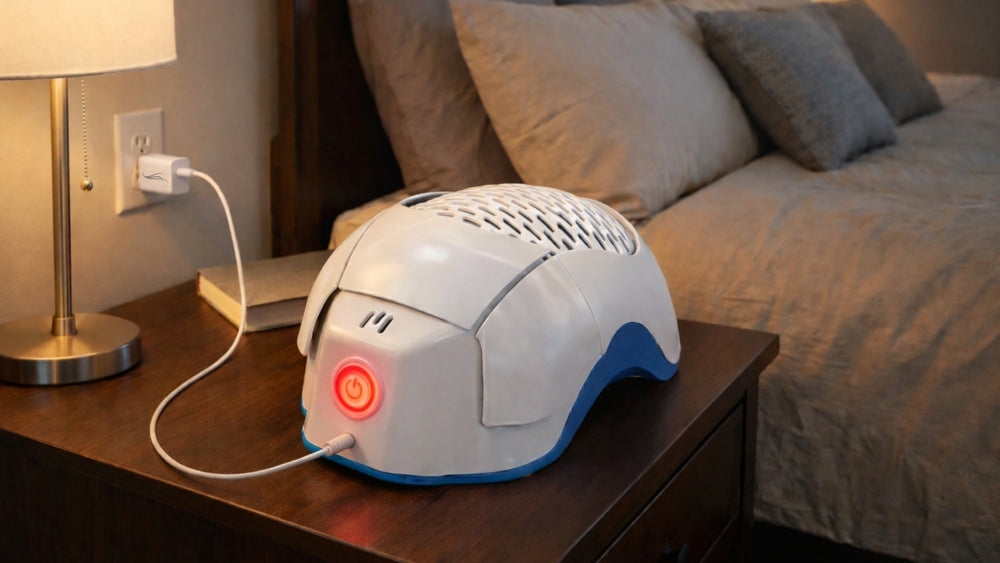
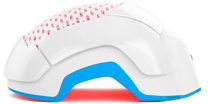
For eligible men and women with androgenetic alopecia, Theradome’s Laser Phototherapy sits in a different category from conditioner. FDA records state that the Theradome LH80 PRO is an over-the-counter device intended to treat androgenetic alopecia and promote hair growth in specified male and female pattern hair-loss classifications.
That is the clean split: conditioner helps the strand behave better. Piroctin Complex supports the scalp environment when flaking or irritation is part of the issue. Laser Phototherapy is the follicle-level treatment for pattern hair loss.
One routine can respect all three layers.
The strand. The scalp. The follicle.
Common Conditioner Mistakes That Make Hair Feel Worse
Using too much
More conditioner does not automatically mean better hair. It can mean limp roots, coated lengths, greasy ends, dullness, or a rinse job that turns into a small domestic negotiation.
Start with less than you think, then add more if your hair still feels rough or tangled. Thick, curly, coily, or long hair may need more. Fine or oily hair usually needs less.
Applying it too close to the roots
Root-heavy conditioner is a common reason hair feels flat or greasy after washing. For most hair types, apply conditioner where the hair needs help most: the lengths and ends.
Leave-in conditioner should stay away from the scalp.
Applying it to dripping wet hair
If your hair is soaking wet, conditioner may slide off before it does much good. Squeeze out extra water first.
Not dry. Not towel-dry to the point of squeaky weirdness. Just less drenched.
Rinsing too quickly or poorly
If you rinse too fast, your conditioner may not have enough time to spread and coat the strand properly. If you rinse poorly, your hair may feel heavy, sticky, or coated.
Follow the product directions. Then judge by your hair after it dries. Hair is annoyingly honest once the mirror gets involved.
Leaving rinse-out conditioner in
Do not leave rinse-out conditioner in your hair unless the product label says it can stay. Rinse-off conditioners and leave-in conditioners have different chemistry, and rinse-off conditioners are meant to be rinsed out.
Expecting conditioner to fix scalp problems
Conditioner is not dandruff treatment. It is not psoriasis treatment. It is not folliculitis treatment. It is not a medical hair-loss plan.
If your scalp is itchy, painful, flaky, burning, crusted, or shedding suddenly, conditioner is not where the investigation should end. Hair loss can have many causes and should be assessed when it is worrying, sudden, patchy, or unusually heavy.
When Is Conditioner Not Enough?
When you have scalp symptoms
If your scalp burns, itches, flakes heavily, forms bumps, feels sore, or develops a rash, conditioner may not be the issue you should focus on first. You may be dealing with irritation, allergy, dandruff, seborrheic dermatitis, psoriasis, folliculitis, or another scalp condition.
Allergic reactions to hair products can include delayed contact dermatitis and that fragrances are among common allergens.
The hair shaft can be conditioned. The scalp needs the right diagnosis.
When hair loss is sudden, patchy, or progressive
If you notice sudden shedding, patchy loss, a widening part, a receding hairline, scalp pain, or more hair than usual during washing or combing, do not try to conditioner your way out of it.
NHS says to see a GP if you are worried about hair loss, and Mayo Clinic advises medical attention for sudden or patchy hair loss or more than usual hair loss during washing or combing.
Yes, conditioner can reduce breakage. No, it cannot tell you why your hair is shedding.
When damage is severe
Conditioner can make damaged hair feel better. It can reduce roughness. It can help detangling. It can make the ends look less wild.
But if the hair is severely split, gummy from bleach, breaking in clumps, or snapping after chemical processing, conditioner may only soften the situation. It cannot rebuild every structural loss. Cosmetic-science reviews support conditioner’s role in fiber feel, friction, and manageability, but they do not support “complete repair” language for severely damaged hair.
Sometimes the kindest hair advice is a trim and a less feral heat routine.
When a product causes irritation
If a conditioner causes burning, itching, rash, swelling, bumps, or irritation, stop using it. Rinse thoroughly. Consider a fragrance-free or simpler formula. If symptoms persist, speak with a dermatologist… especially for people with fragrance sensitivity or previous contact dermatitis.
Quick Conditioner Routine by Hair Type
|
Hair type or concern |
Where to apply |
How often |
Best texture |
Watch-out |
|
Fine or oily hair |
Ends first, avoid roots |
After shampoo if ends feel rough |
Lightweight rinse-out |
Limp roots, greasy feel |
|
Straight hair |
Mid-lengths to ends |
Usually after shampoo |
Light to medium |
Applying too close to scalp |
|
Wavy hair |
Mid-lengths to ends |
Most wash days |
Medium-light, slip-focused |
Flat waves from heavy formulas |
|
Curly hair |
Lengths and ends, sometimes fuller coverage |
Often every wash |
Rich, slip-heavy |
Dry brushing and rough detangling |
|
Coily hair |
Sectioned through lengths and ends |
Often every wash |
Rich rinse-out plus leave-in |
Snapping from rushed detangling |
|
Black hair |
Especially the ends |
Every wash, per AAD guidance |
Moisturizing, slip-focused |
Ignoring fragile ends |
|
Bleached or color-treated hair |
Mid-lengths to ends |
Usually every wash |
Smoothing or damage-support formula |
Overpromising “repair” |
|
Long hair |
Mid-lengths to ends |
Usually every wash |
Medium to rich depending on texture |
Old, fragile ends |
|
Sensitive scalp |
Avoid scalp unless product is scalp-safe |
As tolerated |
Fragrance-free may help |
Itching, rash, burning |
|
Thinning-looking hair |
Lengths and ends |
After shampoo to reduce breakage |
Lightweight, non-greasy |
Mistaking breakage for medical hair loss |
AAD guidance supports conditioner every time Black hair is washed, with attention to the ends, and its curly-hair guidance supports conditioning and gentle detangling with leave-in conditioner for curly and coily hair.
Conclusion
Conditioner is not a miracle product. Better. It is a practical one.
Used well, conditioner helps the hair shaft feel smoother, detangle more easily, resist static, and handle everyday grooming with less friction. That can mean less breakage, softer ends, better shine, and fewer tiny shower arguments with your comb.
But hair health is not only about the strand. If flakes, itching, or irritation are part of the picture, scalp-support ingredients like Piroctin Complex or Piroctone Olamine may help create a cleaner, calmer-feeling scalp environment. And if the concern is progressive pattern thinning, conditioner alone is not the answer. That is where evidence-based follicle-level support, including FDA-cleared Theradome Laser Phototherapy for androgenetic alopecia, belongs in the conversation.
Strand care matters.
So does the scalp.
And sometimes, the follicle needs its own plan.