






Aminexil may help reduce shedding and may help some people with very early thinning, but the current evidence does not put it in the same league as proven first-line treatments for androgenetic alopecia such as topical minoxidil. In plain English… it may help you hold on to some hair a bit better, but it is not a strong, well-proven regrowth treatment.
What are you actually asking when you search this?
Usually, nobody typing does aminexil work for hair loss is asking a chemistry question. They are asking something more personal. Something like: Will this help me keep my hair… or am I about to spend money on another bottle with a very serious-looking label?
That’s fair.
Because “work” can mean a few different things. It can mean less shedding in the shower. It can mean more density in photos after a few months. Or it can mean real regrowth in androgenetic alopecia, which is a tougher standard. Those are not the same thing, and hair products love pretending they are.
What is aminexil, really?
Aminexil is also called 2,4-diaminopyrimidine 3-oxide or diaminopyrimidine oxide. It is generally used in cosmetic hair products aimed at hair shedding or early thinning, rather than as a prescription-level medical treatment for androgenetic alopecia. The European Commission’s safety opinion on diaminopyrimidine oxide discusses it specifically in the context of cosmetic hair-care formulations used to prevent increased hair loss.
Why it gets compared with minoxidil
Aminexil is often described as being chemically related to minoxidil, which is one reason people assume it must work in roughly the same way. It doesn’t. Minoxidil has far stronger clinical support and sits inside formal treatment guidelines. Aminexil does not occupy that tier.
How aminexil is supposed to work, and where that idea comes from

The collagen and fibrosis theory
Aminexil is usually marketed around the idea of reducing or limiting perifollicular fibrosis, which means fibrotic or collagen-related stiffening around the hair follicle. There is real literature showing that perifollicular inflammation and fibrosis can occur in androgenetic alopecia. In other words, this part is not pure fantasy.
The anchoring idea
The practical claim is simple enough. If the tissue around the follicle stays more supple, the hair may stay better anchored and shed less easily. Some reviews describe aminexil as working against perifollicular fibrosis or helping prolong the growth phase by non-hormonal means. That is the pitch… well, the scientific version of the pitch anyway.
The honest limitation
In androgenetic alopecia, the central mechanism is still the follicle’s response to androgens, especially DHT, together with progressive miniaturization and shortening of the growth phase. Fibrosis may matter, yes, but it is not the whole engine. More like one troublesome part near the engine. Not the engine itself.
Does this mechanism actually matter in real hair loss?
Yes… but not enough on its own for most people with established pattern hair loss.
Androgenetic alopecia is a biologically stubborn condition. Academic reviews and guidelines consistently center minoxidil, finasteride, and increasingly light-based therapy among evidence-backed options. Aminexil is not usually presented as the main event. It tends to show up around the edges, or as an add-on, or in products for mild loss where the goal is mostly slowing things down rather than creating robust regrowth.
So if somebody tells you aminexil “treats hair loss” without clarifying what kind, how much, and by what standard… that sentence is doing a bit too much work.
Aminexil vs minoxidil, why people confuse them
Function
Minoxidil is used to promote hair growth and help maintain hair in androgenetic alopecia. Aminexil is generally framed as helping reduce shedding or improve the follicular environment, especially in early or mild thinning. Those are related goals, but not equivalent ones.
Evidence strength
Minoxidil appears in meta-analyses and guideline documents as an evidence-based treatment for androgenetic alopecia. Aminexil does not have that same level of support. Even a comparative animal-model paper found 2% minoxidil more efficacious than aminexil for inducing hair regrowth, with aminexil showing the weakest regrowth effect among the tested products. Animal data are not the final word, obviously, but that is still not a glowing sign for the regrowth side of the argument.
Regulatory status
Minoxidil sits in formal treatment recommendations and is regulated as a drug treatment in major markets. Aminexil is discussed in cosmetic-use documents and cosmetic/topical adjunct contexts. Different lane. Different evidence burden. Different expectations.
So… does aminexil actually regrow hair?
Probably not in the way most people mean it.
It may help reduce loss and may modestly improve how full the hair looks in some people with early thinning. But if by “regrow hair” you mean meaningful reversal of miniaturization in established androgenetic alopecia, the evidence is just not strong enough to say aminexil reliably does that.
Who aminexil might actually help
People with very early thinning, increased shedding, or mild androgenetic alopecia may be the most plausible candidates for aminexil-containing products. That is also the kind of population represented in the better-known observational data. Early intervention matters in pattern hair loss generally, because preventing progression is usually easier than trying to recover density once miniaturization is well underway.
It may also make sense for someone who wants a topical adjunct and is not expecting miracles. That last part matters. A lot.
Who it probably will not help much
If the scalp has advanced thinning, long-standing miniaturization, or obvious recession that has been progressing for years, aminexil is unlikely to be enough. Not because it is evil. Not because everyone using it has been “fooled.” Just because the biological problem is bigger than the mechanism aminexil mainly targets.
This is one of those annoying hair-loss truths that people keep trying to negotiate with. Usually at the pharmacy shelf.
How to use aminexil, if you still want to try it
Consistency
Cosmetic-use opinions and product-use documents for diaminopyrimidine oxide discuss repeated scalp application, often several times weekly. As with many topicals, any benefit depends on regular use rather than heroic bursts of enthusiasm for eight days followed by silence.
Application
Most topical hair products work best when applied to the scalp, not the hair shaft. That sounds obvious, though people absolutely still do the opposite. For hair-loss topicals in general, getting the active onto the scalp and using it consistently matters more than turning application into a ceremonial event.
Time frame
The aminexil observational study reported notable improvement after around three months. That does not guarantee the same timeline for everyone, but it does suggest this is not a one-week, “I think my hairline feels spiritually calmer already” kind of thing.
Is aminexil a long-term solution?
Not really.
Like many hair-loss topicals, any benefit appears tied to continued use. That is true for minoxidil as well, by the way. Treatments that help maintain hair often need ongoing use, because the underlying predisposition to androgenetic alopecia does not politely retire when you buy serum number four.
Why many people feel like it “almost works”
If a product slightly reduces shedding, leaves the hair feeling better, improves manageability, and gives the sense that you are finally doing something, it can feel meaningful. Sometimes it is meaningful. But feeling better about your routine is not the same thing as having a strong evidence-backed regrowth treatment on board. That gap, small but important, is where a lot of hair-loss confusion lives.
What actually moves the needle in hair loss?
For androgenetic alopecia, the most consistently supported options remain treatments such as topical minoxidil, finasteride in appropriate patients, and low-level light therapy / laser phototherapy as an evidence-backed non-drug option. Reviews and meta-analyses have repeatedly placed these higher than cosmetic topicals in the treatment hierarchy.
That does not mean every person needs every option. It does mean that if someone is building a serious hair strategy, aminexil is usually not the thing carrying the whole plan on its back.
Where laser phototherapy fits
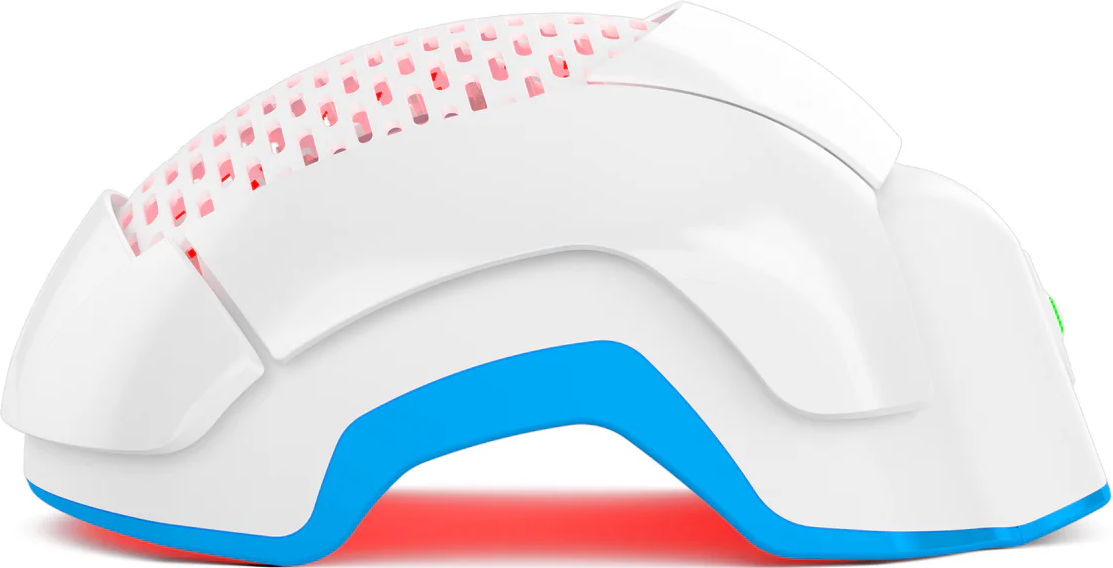
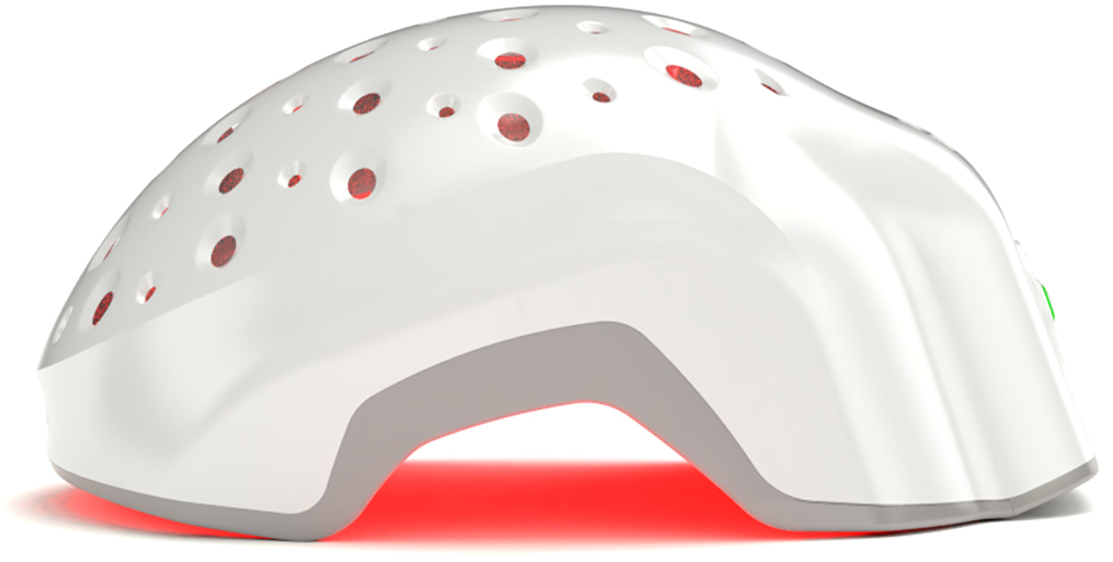
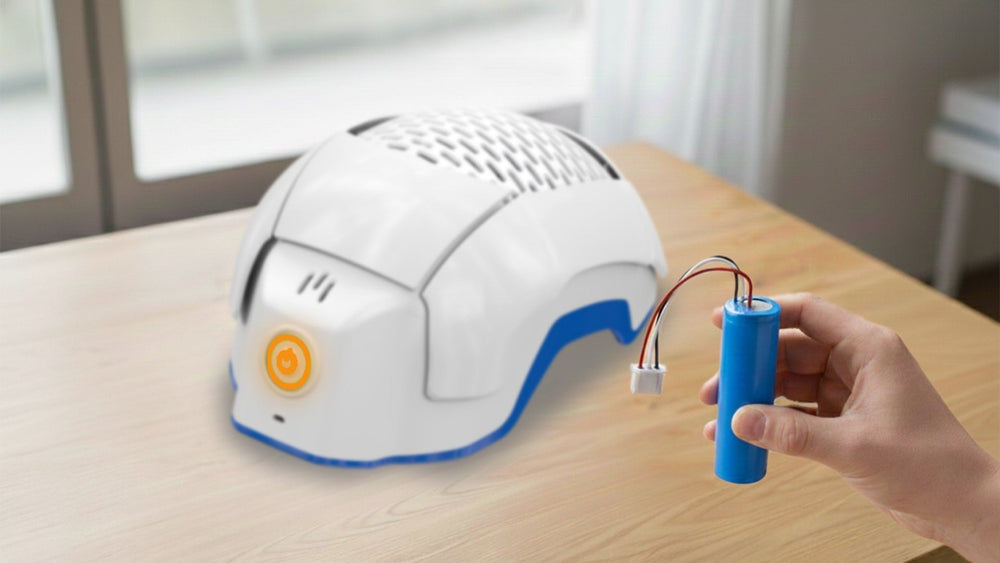
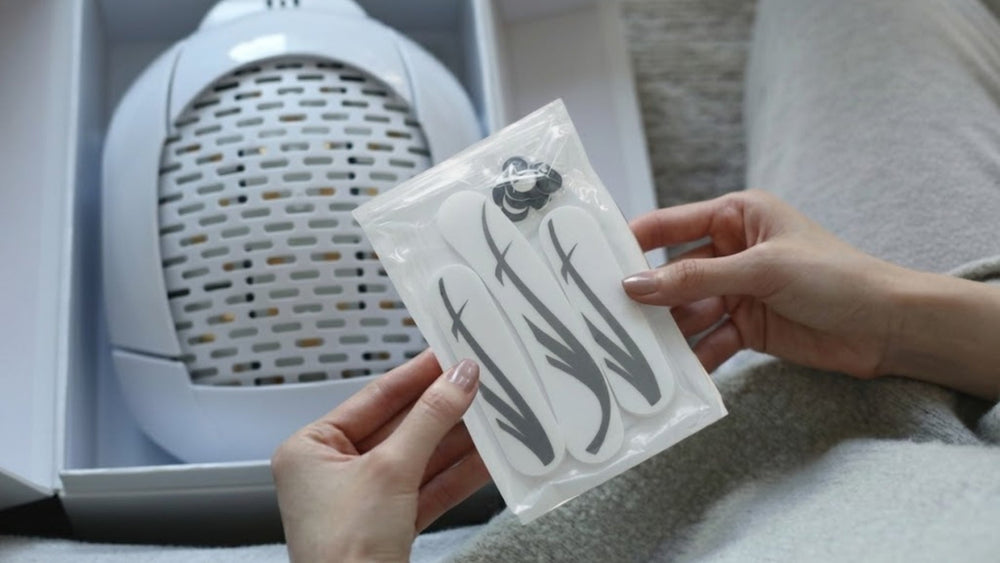
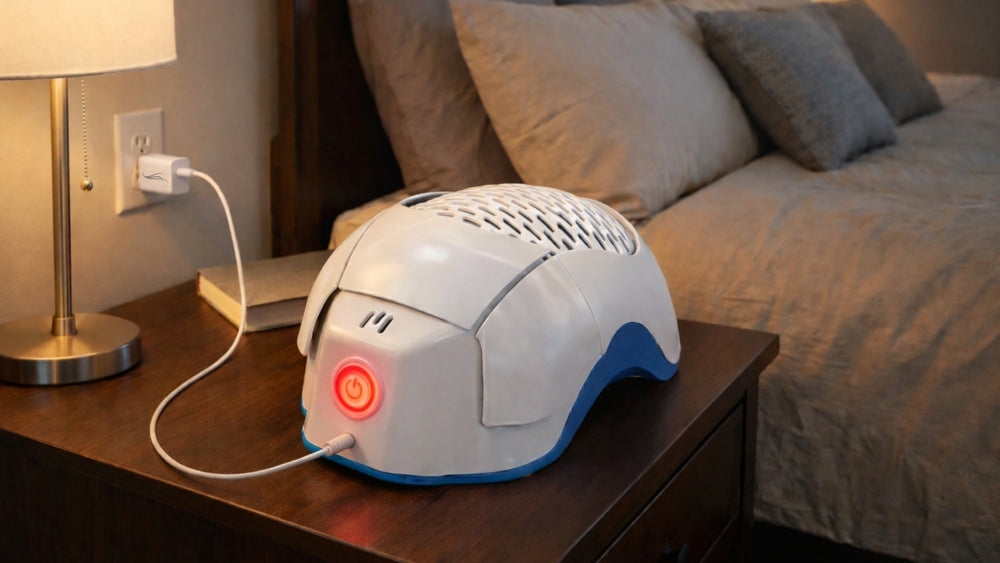
Light-based therapies for androgenetic alopecia have been supported in reviews, meta-analyses, and guideline discussions as legitimate treatment options. And yes, terminology gets messy online. We use Laser Phototherapy (LPT) when talking about therapeutic laser-based light treatment. The point is not blood-flow mythology or gadget theatre. The point is that light-based therapy has a stronger research footing in pattern hair loss than many cosmetic serums do.
Where aminexil fits in a realistic hair strategy
Aminexil can sit in the supportive category. It may be reasonable for early thinning, for people who want an adjunct, or for someone trying to reduce shedding while also using better-supported options. But that earlier collagen-and-fibrosis discussion comes back here… because even if aminexil helps around the follicle, it still does not directly solve the core androgen-driven biology behind pattern hair loss.
So no, it is not useless.
It is just smaller than the marketing usually sounds.
Final answer, is aminexil worth it?
If your thinning is early, your expectations are realistic, and you understand you are probably buying a supportive topical rather than a heavyweight regrowth treatment, aminexil may be worth trying. It appears reasonably well tolerated, and some users with mild loss do seem to notice less shedding.
If, though, you want something with stronger evidence for androgenetic alopecia, aminexil is not where the most convincing data live. That is where treatments such as minoxidil, finasteride in appropriate cases, and evidence-backed light-based therapy have the stronger footing.
Conclusion
Aminexil may help some people with mild shedding or early thinning, mainly by supporting the follicular environment rather than driving robust regrowth. That is a narrower role than the label often implies. For pattern hair loss, the stronger evidence still sits with treatments such as minoxidil, finasteride for appropriate patients, and light-based therapy. So if you use aminexil, use it with clear expectations. Helpful, maybe. Central, usually not.