






Meditation can help when hair shedding is being pushed by stress, but it does not directly stimulate hair follicles or reverse pattern hair loss. In plain terms, it may support hair recovery by calming one of the things that can throw the hair cycle off, not by acting on the follicle the way a true hair-growth treatment does.
So… Can Meditation Actually Help Your Hair Grow?
A lot of people land on this question after a rough stretch. Bad sleep. A frightening amount of hair in the shower. A nervous little bargain with the universe that goes something like, if I calm down, maybe my hair will calm down too. Honestly, that instinct is not ridiculous. Stress and hair are linked. Just not in the neat, magical way the internet sometimes tries to sell it.
Not exactly.
Meditation is not a follicle stimulant. It does not directly switch dormant follicles back on, and it does not cancel out inherited pattern hair loss. What it can do is lower stress load, and that matters because stress can disrupt the hair cycle and trigger excessive shedding in some people. That distinction, small as it sounds, is the whole article.
Before Meditation… What Actually Controls Hair Growth?
Hair does not grow in one steady, romantic sweep. It cycles. Most scalp hairs sit in anagen, the active growth phase. Then comes catagen, a brief transition. Then telogen, the resting phase, followed by shedding. In a healthy scalp, those phases stay staggered, which is why you normally shed some hair every day without noticing much drama.
The trouble starts when too many follicles get pushed out of their normal timing at once. Then the sync goes off. You do not just lose a strand here and there. You notice more hair on your pillow, more in your hands during wash day, more in that one annoying corner of the bathroom that somehow catches everything.
Why Follicles Stop Growing Hair
Follicles are tiny organs with a complicated social life. They respond to local signals, hormones, immune activity, and niche factors around the stem cells that help restart growth. In stress-related shedding, the issue is not usually that follicles are dead. It is that they have been nudged, or shoved, into a resting state too early.
That matters because it changes the question. We are not asking whether meditation can “grow hair” in some vague wellness sense. We are asking whether calming the stress response can keep more follicles from dropping into an untimely pause. Different question. Better question.
What Stress Actually Does to Your Hair
Stress is not just a mood. It is a biology event. When stress becomes chronic, the hypothalamic-pituitary-adrenal axis stays more activated, and cortisol signaling stays more involved than you want it to. A 2024 systematic review found that mindfulness-based interventions can modify cortisol-related outcomes, and a meta-analysis of randomized trials found stress-management interventions can positively change cortisol levels, with mindfulness and meditation among the better-performing approaches.
On the hair side, the mechanism has gotten clearer. In a well-known Nature paper, chronic stress in mice kept hair follicle stem cells in a prolonged resting state through the stress hormone corticosterone, the rodent counterpart of cortisol. The point is not that mouse hair and human hair are identical. They are not. The point is that there is now a biologically plausible pathway linking sustained stress signaling to slower follicle re-entry into growth.
Telogen Effluvium
The classic stress-related hair problem is telogen effluvium. In it, a larger-than-usual share of hairs shifts into telogen, the resting phase, and then sheds a few months later. That delay is why people often miss the connection at first. The breakup was in January. The shedding shows up in March. Suddenly it feels random, when it is not random at all.
Dermatology and academic sources are pretty consistent here. Stressful events, illness, surgery, childbirth, major weight loss, and other body shocks can all trigger telogen effluvium. Shedding typically becomes noticeable a few months after the trigger, and the condition is often temporary once the stressor passes or the body readjusts.
What Happens at the Cellular Level
Hair follicle stem cells need the right niche signals to wake up and restart a new growth cycle. Under chronic stress, those signals can get altered. In the Nature study, stress hormone activity suppressed Gas6 in the dermal papilla, which helped keep stem cells quiescent longer. Again, that is preclinical work. Still, it gives shape to what “stress affects hair” may actually mean beneath the scalp surface.
And yes… that is more interesting than “stress is bad.”
What Meditation Actually Changes in the Body

Nervous System Shift
Meditation is not hair medicine. It is nervous-system training. Depending on the method, it may reduce reactivity, lower perceived stress, and change how the body handles repeated stress exposure over time. Chronic stress is not only about what happens to you. It is also about what your body keeps doing afterward.
Cortisol Reduction
A randomized clinical trial published in 2023 found that an eight-week mindfulness program reduced hair cortisol, perceived stress, and anxiety compared with a control group in university workers under high stress. A broader meta-analysis likewise found that stress-management interventions can change cortisol levels, and mindfulness or meditation was among the more effective categories. That does not prove hair regrowth. It does support the part meditation is actually good at, which is dialing down stress biology.
What This Means for Hair
So where does that leave your hair?
In the indirect lane. Meditation may make it easier for the hair cycle to settle back toward normal if stress is one of the reasons it was thrown off in the first place. That is a very different claim from saying meditation nourishes follicles directly or reverses inherited thinning. It does not. We have to keep those lanes separate or the article becomes mushy.
Does Meditation Help Hair Growth?
When It Can Help
If your main issue is stress-triggered shedding, especially telogen effluvium, meditation may help by reducing one of the inputs that is pushing hairs out of their normal cycle. In that setting, the win is not “meditation made my hair grow.” The win is more like, “meditation may have helped remove some of the biological noise that was keeping shedding going.”
When It Does Not
If you are dealing with androgenetic alopecia, meditation is not going to solve the core issue. Pattern hair loss is a genetically influenced condition tied to androgen sensitivity, especially dihydrotestosterone signaling in susceptible follicles. It tends to progress gradually and predictably unless treated. Stress can make any hair problem feel louder, and sometimes can overlap with shedding, but it is not the same mechanism as inherited pattern thinning.
Meditation does not directly grow hair.
But sometimes it helps stop one reason hair is falling out more than it should.
What Meditation Won’t Fix
No, it will not regrow a receded hairline by itself. No, it will not reverse follicle miniaturization just because you got impressively calm for twenty minutes a day. And no, it should not be sold as a substitute for a proper hair-loss workup if you have sudden shedding, patchy loss, scarring signs, or clear pattern thinning. Those are medical clues, not personality flaws.
We advose medical evaluation for sudden or patchy loss because underlying conditions may need treatment. So yes, breathe. Meditate too, if it helps. But do not let “natural” become a polite way of delaying care.
Where Meditation Helps
Meditation makes the most sense when your hair issue sits close to a stress-heavy season. Work overload. Caregiving. Grief. Post-illness recovery. That kind of wear-and-tear period where your nervous system has been acting like it forgot the off switch. In those cases, a practice that lowers stress burden can fit the problem in a sensible way.
Secondary Benefits
There is also the behavioral side. When people are scared about hair loss, they often swing between panic-Googling, inconsistent routines, random supplements, then exhaustion. Meditation can help with that loop too, not because it charms follicles, but because it may make you less reactive and more consistent. Sometimes the quiet win is simply sticking with the right plan long enough to see whether it works.
Why It Feels Like Meditation Should Fix Everything
Hair loss messes with your sense of control. That is probably why meditation gets cast as a bigger hero than it deserves. It feels safe. It feels sane. It feels morally tidy, almost. If stress hurt my hair, then maybe peace can fix it. You can see why people go there. I can see why people go there. But biology is less poetic than that.
And honestly, there is nothing wrong with wanting one gentle thing to be enough. Most of us do. It just usually is not.
If Not Meditation… What Actually Stimulates Hair Growth?
Meditation is an indirect support strategy. It may improve the internal environment if stress is part of the problem. A direct hair-growth approach acts on follicle biology more specifically. That can include dermatologist-guided medications, cause-specific treatment of deficiencies or disease, and light-based hair-loss therapy in appropriate cases.
Where Laser Phototherapy Fits
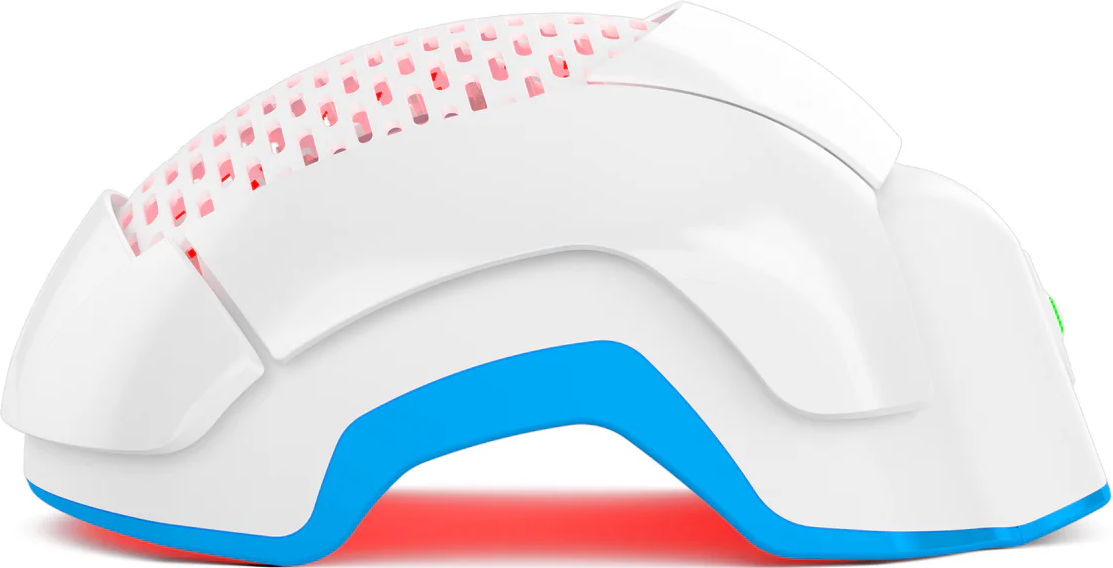
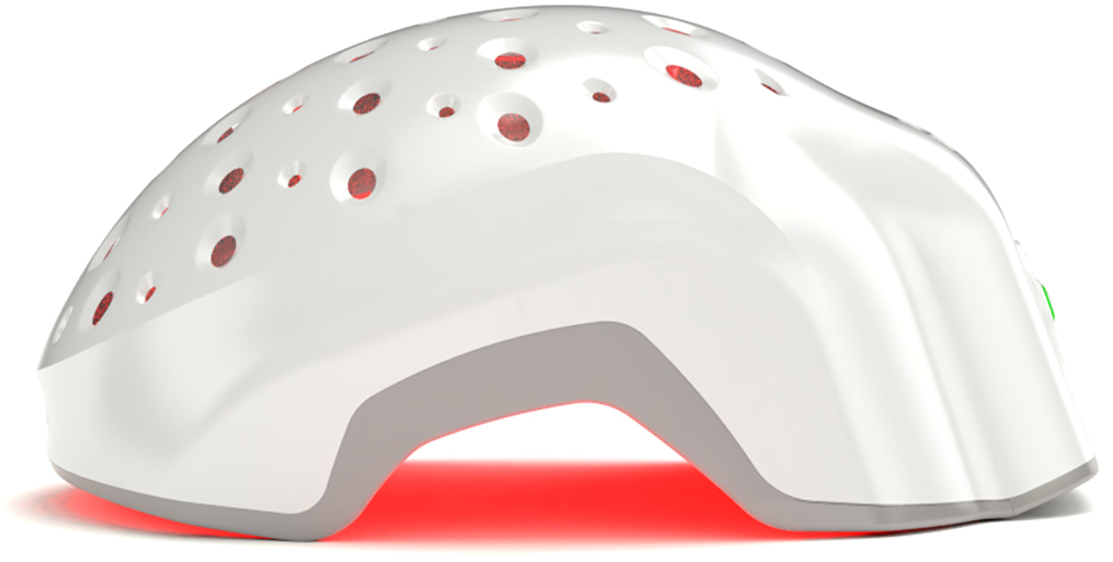
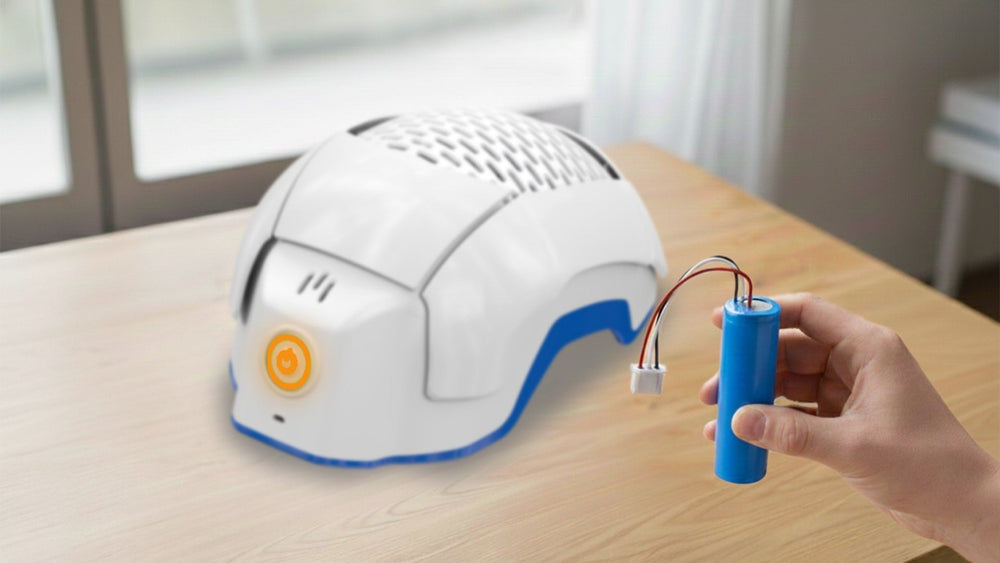
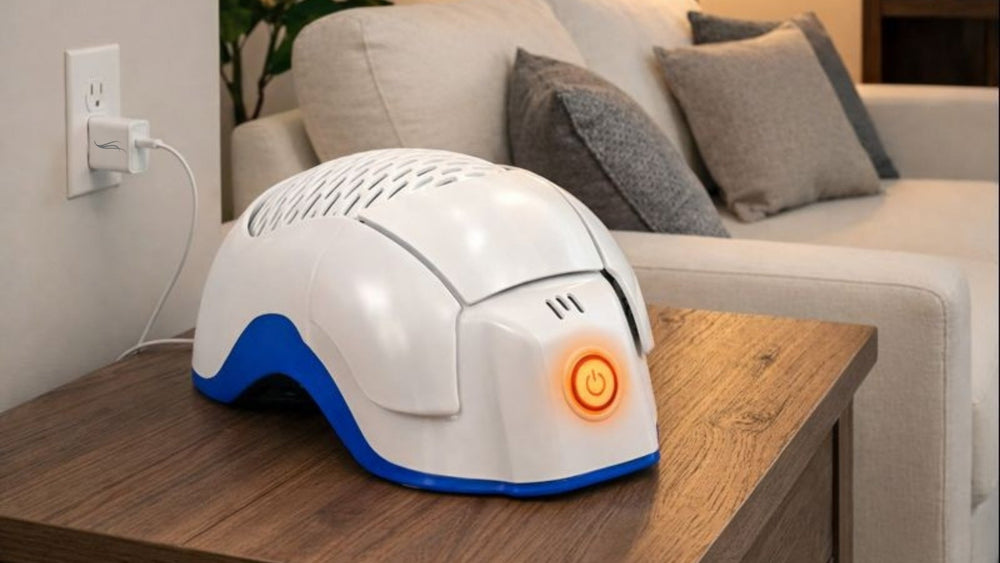
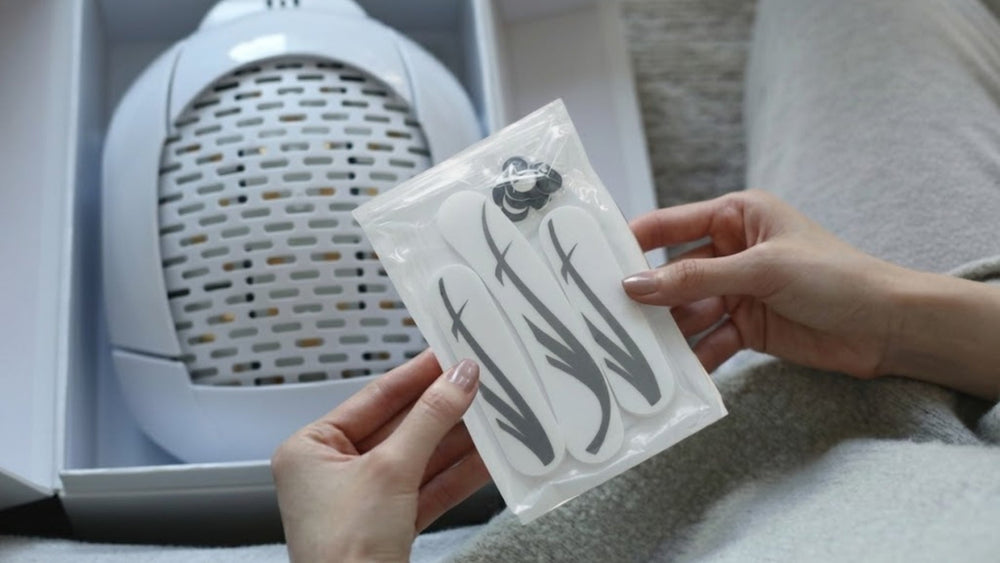
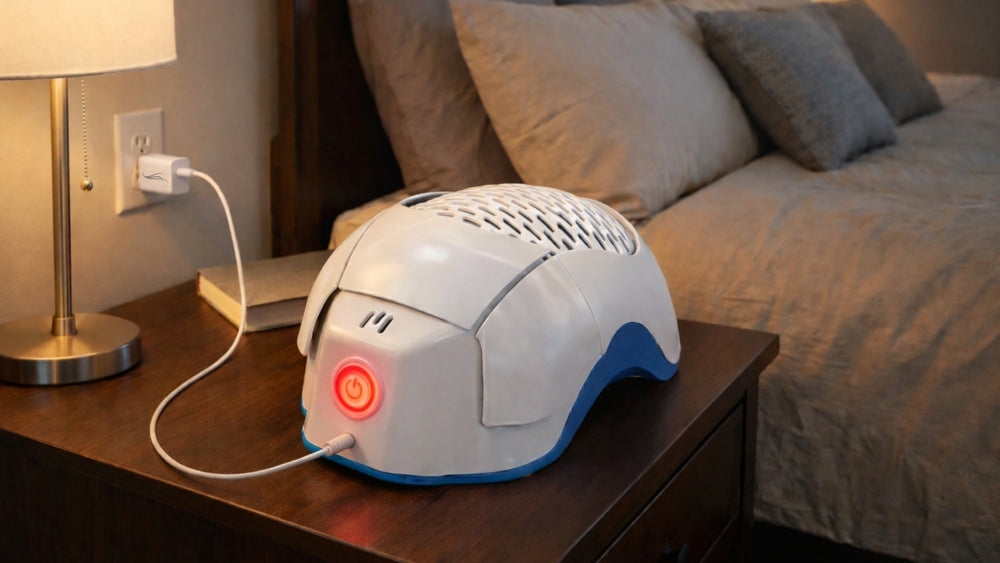
Laser phototherapy, the category studied in the literature under low-level light or laser therapy, is different from meditation in a basic way. It is not aimed at stress. It is aimed at the follicle. Reviews and treatment guidance for androgenetic alopecia describe light-based therapy as a noninvasive option with evidence for improving hair density in some patients, especially as an adjunct or in selected first-line use. The proposed mechanisms include encouraging anagen re-entry and prolonging anagen, though the exact biology is not fully settled.
That is why these two things should not be treated as rivals. One can calm the system. The other can more directly address follicle behavior. Different jobs.
The Combination That Actually Makes Sense
If stress is driving shedding and you also care about supporting follicle activity, a combined approach is often more rational than choosing one camp and declaring victory. Meditation may help reduce the stress side of the equation. Evidence-based hair treatment can address the follicle side. That is cleaner thinking than asking a stress practice to do a follicle treatment’s work.
If You Want to Try Meditation for Hair… Start Here
Keep it boring enough that you will actually do it. Ten minutes a day is more useful than one heroic hour every second Sunday. The human trial on mindfulness and hair cortisol used an eight-week program, and the wider cortisol meta-analysis suggests these interventions work over time, not in one dramatic sitting.
- A simple starting point works fine:
- Sit down somewhere tolerable
- Breathe at an unforced pace
- Notice when your mind runs off
- Bring it back without making a courtroom case out of it
That is enough to start a practice. Hair-wise, you should think in months, not days, because telogen effluvium itself runs on a delay and recovery is gradual. Excessive stress shedding usually becomes noticeable a few months after the trigger, and fullness tends to return later as the cycle normalizes.
If you are losing hair suddenly, in patches, with scalp symptoms, or with obvious progressive pattern thinning, meditation should sit beside medical evaluation, not replace it.
What to Expect, and What Not To
What you may notice first is not “growth.” It may be less panic, steadier routines, or the sense that your body is not bracing all day. The hair changes, when stress is the trigger, tend to trail behind because hair cycles move at their own stubborn pace.
So no overnight miracles. No dramatic before-and-after from breathwork alone. Just a calmer internal climate that may give stressed follicles a better shot at returning to normal behavior if stress was part of the disruption.
Conclusion
Meditation can help hair shedding when stress is one of the drivers. What it does not do is directly stimulate follicles or reverse pattern hair loss. If stress has pushed more hairs into shedding, calming the stress response may support recovery. If the problem is inherited follicle miniaturization, you usually need something more targeted. The sensible path is not choosing between inner calm and hair treatment like it is some strange moral test. It is using each tool for the job it actually does.