







Metformin is a widely used medicine for managing Type 2 diabetes. While it helps control blood sugar and insulin levels, many people are concerned about its possible effects on hair health. Some believe metformin may cause hair loss, but emerging research suggests it could also support hair growth in certain situations.
People blame stress, age, hormones, the weather… or whatever pill they started last month. Metformin happens to be a convenient target because it’s widely prescribed. But does science actually back up the fear?
It's tricky: metformin itself isn’t typically a hair‑damaging drug that makes your hair fall out, yet some patients notice shedding. Why?
This article will walk you through the connection between metformin and hair loss, how it works inside the body, and what research says. We’ll also look at ways to manage hair thinning if it occurs while taking this medication.
What Is Metformin and How Does It Work?
Metformin is often prescribed by doctors as a first-line treatment for type 2 diabetes and sometimes for Polycystic Ovary Syndrome (PCOS), prediabetes, and even some fertility concerns. By improving how the body uses insulin, it may indirectly influence hormones and hair growth patterns. In some cases, it has even shown potential benefits for conditions like Central Centrifugal Cicatricial Alopecia (CCCA), a type of scarring alopecia primarily affecting women.
But how does metformin actually work on your body?
Metformin lowers blood sugar by helping your body use insulin more effectively, and it nudges your liver to stop overproducing glucose.
Topical Metformin vs. Oral Metformin
While Metformin is usually taken as an oral tablet for conditions like Type 2 diabetes, researchers are now exploring a topical version for hair loss. Instead of working throughout the whole body, topical metformin is applied directly to the scalp. This can help deliver its anti-inflammatory and insulin-regulating benefits right where hair follicles need support, while potentially reducing systemic side effects.
That said, research on topical metformin for hair growth is still very limited. Scientists are still studying how effective it is compared to oral metformin and whether it can truly improve conditions like Alopecia. More clinical evidence is needed before it becomes a widely recommended treatment.
Side-effects of Metformin
Typical side effects of taking oral metformin are—
- gastrointestinal bloating
- mild nausea
- mild diarrhea during the adjustment period.
Serious risks like lactic acidosis are rare. Hair loss… interestingly… doesn’t make the standard list of metformin side effects in FDA safety data.
Does Metformin Cause Hair Loss Directly?
Metformin does not appear to directly cause hair loss. It is widely used to treat Type 2 diabetes and Polycystic Ovary Syndrome, and hair loss is not listed as a common side effect in official medical data. Most reported side effects are digestive issues or, with long-term use, low vitamin B12 levels.
There have been a few rare cases where people noticed hair thinning while taking metformin. For example, one case report described that a 69 year old patient, also taking another diabetes drug, experienced sudden eyebrow and eyelash hair loss. However, since these reports involve very few individuals, they don’t prove that metformin is the actual cause for hair falling out. Other factors like high blood sugar, hormonal imbalance, or nutrient deficiencies may play a bigger role.
In fact, some research suggests metformin might support hair growth rather than harm it. It may help reduce inflammation and improve insulin resistance, which are linked to certain hair loss conditions like Central Centrifugal Cicatricial Alopecia and Alopecia areata. A 2002 study found that metformin treatment significantly improved hair growth parameters in women with PCOS and hirsutism compared to placebo. By improving the body’s metabolic health, it can create a better environment for hair follicles to grow.
That said, indirect factors matter. Long-term metformin use can slowly drain vitamin B12 levels. And low B12 is notorious for contributing to brittle hair and diffuse shedding. So, while the pill itself isn’t attacking your follicles, an indirect chain reaction can still happen.
If you’ve ever heard someone say, “Metformin made my hair fall out,” odds are it’s this subtle vitamin B12 deficiency or the underlying health condition itself affecting your hair health.
Why Some People Experience Hair Loss on Metformin?
So, if metformin doesn’t directly cause hair loss, why do some people swear they notice thinning or extra shedding while on it? The answer is a cluster of indirect triggers—most of them subtle and easy to miss at first glance.
1. Vitamin B12 Deficiency and Hair Health
Using topical metformin or taking metformin for long-term can quietly lower vitamin B12 levels. Studies suggest that anywhere from 6% to 30% of patients develop a measurable deficiency after extended therapy.
Low B12 affects red blood cell formation, which in turn limits oxygen delivery to your scalp. Hair follicles (already sensitive, easily stressed tissue) respond by shedding or producing thinner strands.
Interestingly, some patients who restore their vitamin B12 levels through supplements or injections notice hair density improving again. Not overnight, but enough to confirm that deficiency plays a role.
2. Underlying Conditions (PCOS, Diabetes, Hormones)
Many people taking metformin already have conditions that can cause hair loss by themselves.
-
PCOS can trigger androgenic hair thinning. Hair at the crown or temples may shrink under the influence of excess androgens.
-
Uncontrolled diabetes or insulin resistance can lead to telogen effluvium, a kind of stress‑induced shedding where hair shifts into a “resting” state.
So someone might start metformin, experience stress or hormonal fluctuations, and then blame the pill for what their own biology had already set in motion. I sometimes picture it as a chain reaction (hormones, metabolism, nutrients) all conspiring, and metformin just happens to be in the room.
3. Drug Combinations & Lifestyle Factors
Metformin rarely travels alone. People may also be on statins, thyroid medication, or blood pressure drugs, some of which list hair loss as a potential side effect. Layer that on top of low protein intake, chronic stress, or postpartum changes… and the scalp starts waving a white flag.
Sometimes, even hair care habits sneak into the equation… tight hairstyles, harsh dyes, or infrequent scalp care all add friction to the story. In these cases, metformin becomes the scapegoat simply because it’s new, but the truth is a mix of contributors stacking up quietly over time.
Does Metformin Cause Hair Loss in Women?
Women with PCOS are the group most likely to notice changes in their hair. This is because PCOS often involves androgen excess, which can miniaturize hair follicles and increase shedding. Ironically, metformin may actually help in the long run by improving insulin sensitivity, reducing androgen dominance, and creating a healthier hair-growth environment.
But here’s where it gets messy:
-
Short-term shedding can occur if B12 drops or if the body is under extra metabolic stress.
- Hormonal shifts can make hair appear worse before it stabilizes.
- Post-menopausal women on metformin may also be more vulnerable to nutritional hair loss because baseline estrogen support is lower.
Some women even report regrowth after correcting their deficiencies or optimizing hormonal balance. Still, the emotional toll can feel steep. Losing hair (even a little) taps into identity and confidence in a way that numbers on a lab test can’t capture.
If you’re a woman noticing unusual shedding, think of it like detective work. It’s not about blaming one pill but scanning the full picture: hormones, nutrients, stress, and overall scalp health. That’s the approach dermatologists and trichologists tend to recommend.
Who is At-Risk for Hair Loss During Metformin Treatment?
People taking Metformin may have different risks when it comes to hair loss, and some groups are more vulnerable than others. Older adults are at the highest risk, especially because metformin can lower vitamin B12 levels over time. Studies show that elderly individuals are more likely to develop B12 deficiency when taking metformin, which can contribute to hair thinning. Age itself also increases the risk, with hair health gradually declining over time.
Certain health conditions and lifestyle factors can also raise the chances of hair loss. For example:
- Women with Polycystic Ovary Syndrome or those going through menopause could already have hormonal imbalances that affect hair growth.
- People with digestive issues, restrictive diets, or nutrient imbalances may not absorb enough essential vitamins.
- Individuals with obesity or a history of COVID-19 may also notice increased hair shedding due to stress or metabolic changes.
If you’re taking metformin and concerned about hair loss, it’s a good idea to talk to your healthcare provider. They can help identify your personal risk factors, check for nutrient deficiencies, and guide you on ways to support healthy hair growth.
How to Identify and Confirm Metformin-Related Hair Loss?
Identifying and confirming if the hair loss is caused due to metformin requires pattern recognition and proper testing.
Start by noting the timeline:
- Metformin-related hair changes usually appear months, not days, after starting therapy.
- Sudden clumps in the shower within a week are almost always due to stress, illness, or pre-existing cycles of shedding.
Look at the pattern:
- Diffuse thinning (hair looking less dense all over) suggests telogen effluvium or nutritional issues.
- Patchy hair loss is uncommon and usually points to another cause.
Then move to lab confirmation:
- Check vitamin B12 levels and possibly methylmalonic acid for functional deficiency.
- Run ferritin (iron storage), thyroid panel, and hormone labs if PCOS or menopause is relevant.
- Evaluate lifestyle and other medications—hidden culprits often lurk here.
Doctors rarely diagnose “metformin hair loss” in isolation. It’s almost always an indirect web of metabolic, hormonal, or nutritional triggers. Which is actually… good news. Because it means solutions exist… nutrient repletion, better metabolic balance, and tailored hair therapies can reverse much of the problem.
The next step is understanding how to act without sacrificing the benefits of your medication, which we’ll cover in solutions and prevention strategies.
How to Manage Hair Loss While Taking Metformin?
If you've noticed extra hair shedding or a thinning part line while taking metformin, do not panic and don't immediately stop using your medication. You first need to consult with your doctor and act strategically.
Here’s how to protect your hair while on metformin without compromising your health.
1. Talk to Your Doctor First
Do not stop metformin on your own. Hair grows back; diabetic complications are less forgiving. A simple conversation with your physician can guide the next step… dosage adjustments, timing, or lab work to rule out deficiencies.
Often, doctors will order a vitamin B12 test, and sometimes ferritin (iron storage) or a thyroid panel. These labs tell the real story. If levels are low, you’ve likely found the reason of your hair loss.
2. Correct Nutritional Deficiencies
Some vitamins and minerals that support healthy hair follicles include:
- Vitamin B12: Especially important since metformin can lower its levels over time, which may affect hair growth
- Iron: Prevents anemia which is a common cause of hair loss
- Biotin: Supports stronger, thicker hair
- Zinc: Helps in scalp health and immunity
- Vitamin D: Helps maintain normal hair growth cycles and reduce shedding
If your goal is thicker, healthier hair while on metformin, focus on maintaining good levels of B12, iron, and overall hormone balance. This creates a strong foundation for better hair growth and overall well-being.
Pair this with a nutrient-rich diet—eggs, leafy greens, lean protein. Sounds cliché, but hair is a luxury tissue: the body only prioritizes it when nutrient needs are fully met.
3. Support Hair Regrowth Safely
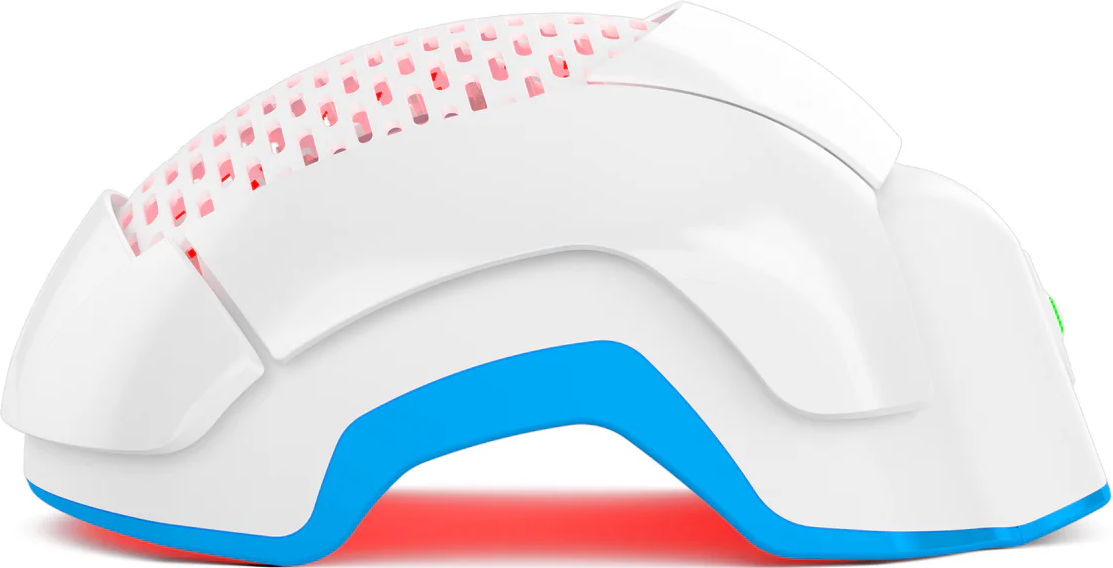
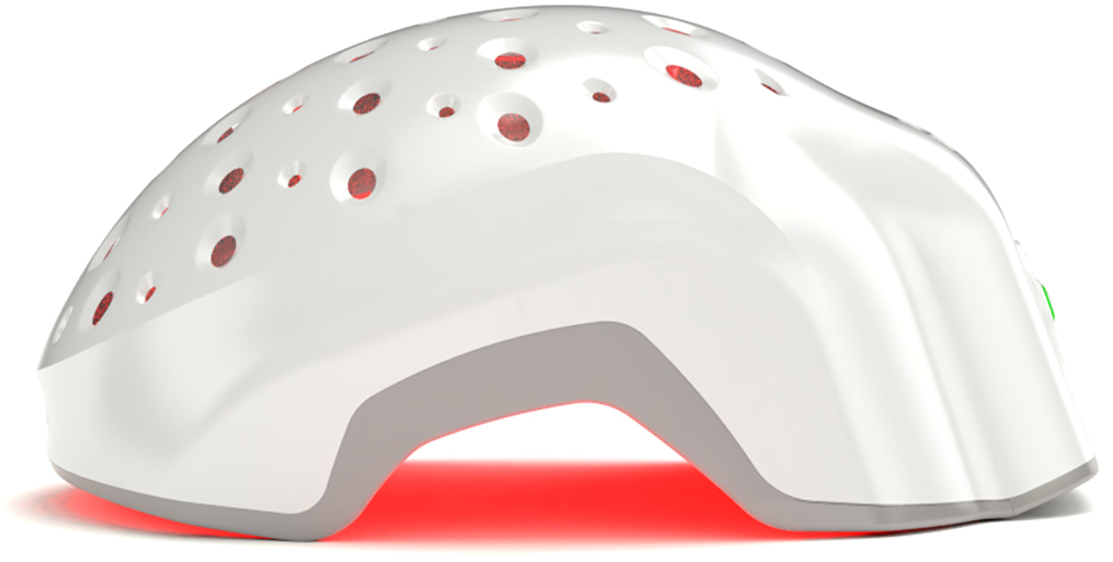
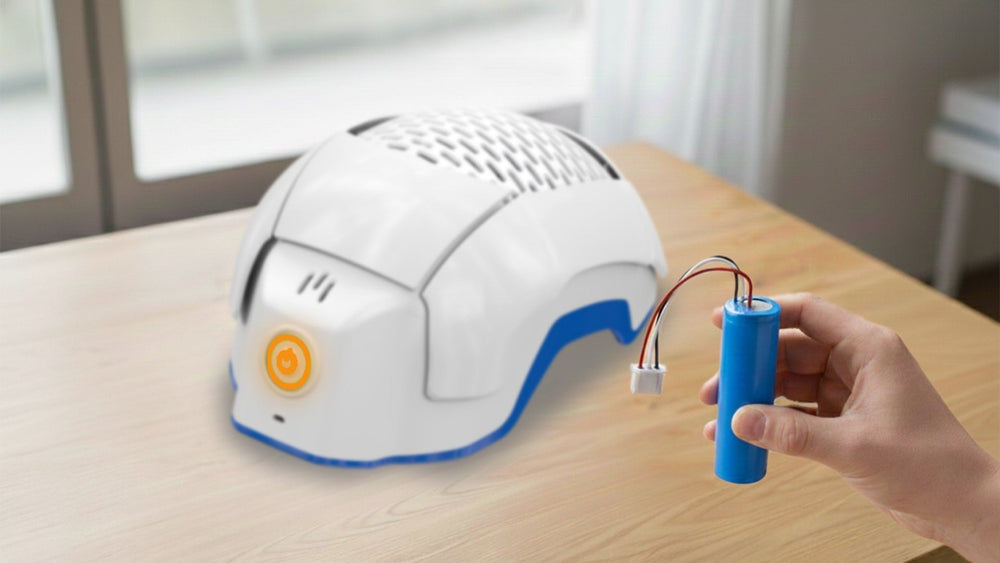
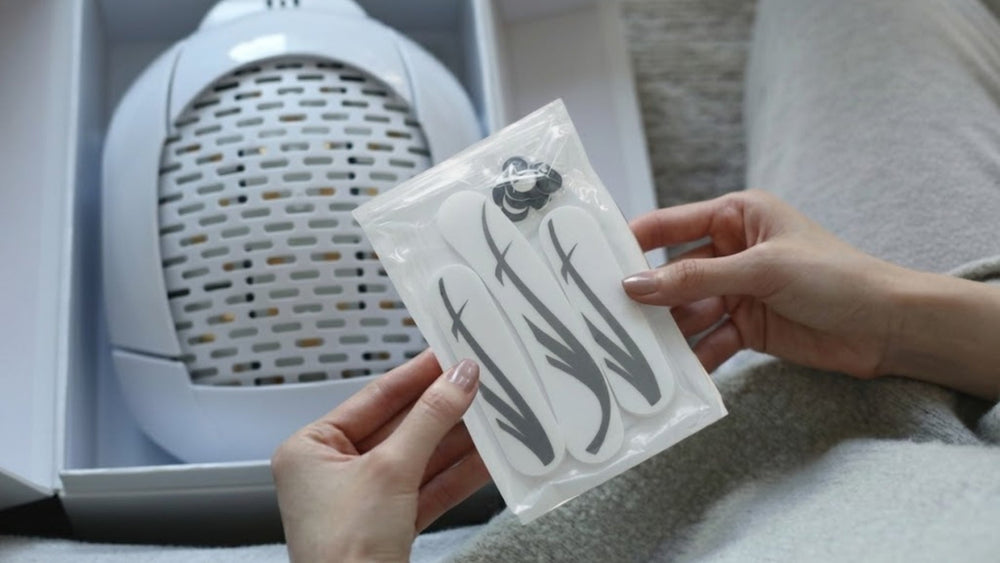
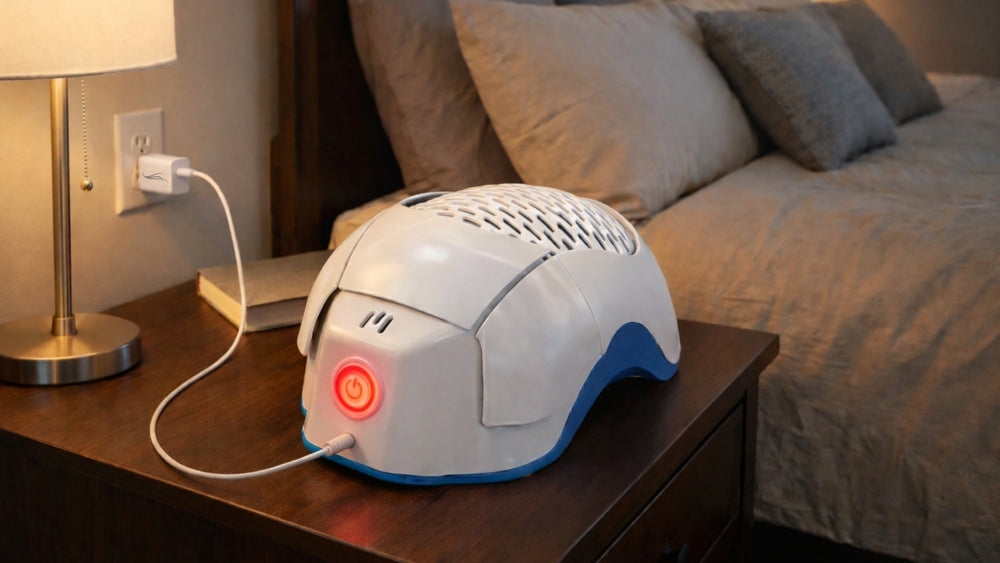
For actual hair loss recovery and regrowth, consider FDA‑cleared options like Laser Phototherapy (LPT). LPT is non‑invasive and stimulates follicles at a cellular level without heat—perfect for those navigating metabolic conditions. Devices like Theradome provide consistent scalp coverage in a medical‑grade format.
Consistency matters. It’s like watering a plant: miss a week, and the progress stalls.
4. Monitor and Prevent Recurrence
Hair health is a long game. Regular labs every 6–12 months while on metformin can catch deficiencies before they show up in your hairbrush. Combine that with gentle scalp care, reduced stress, and a balanced diet, and your follicles will thank you.
Ultimately, hair loss on metformin is rarely permanent if managed early and thoughtfully.
Conclusion
Metformin does not directly cause hair loss. When hair shedding appears, it’s usually the ripple effect of nutrient depletion, metabolic stress, or pre‑existing hormonal conditions. The good news is… these factors are detectable and fixable.
Seek professional help if shedding persists beyond that window or if you notice bald patches. Dermatologists and trichologists can pinpoint triggers and guide evidence‑based regrowth strategies—without unnecessary fear.
And remember… your health always comes first. Hair can recover. Confidence can, too.