





Bald spots are a reality many people face, and let’s not sugarcoat it—they’re frustrating whether you’re a man or a woman. It could be from stress, genetics, or just life throwing curveballs at your scalp, but you’re probably here for one reason: to figure out how to regrow hair on a bald spot fast.
Look, there’s no magic wand, but science and smart solutions can make a big difference.
The root of fixing bald spots lies in understanding what caused them in the first place. From autoimmune conditions like alopecia areata to overzealous hairstyling and hormonal imbalances, a bald spot’s origins hold the key to its regrowth. And while myths about quick fixes float around, the real answers lie in proven treatments and practical changes.
So, is regrowth on a bald patch possible?
Absolutely—but it’s not just about slathering on the nearest hair tonic or crossing your fingers. It’s about finding a strategy that works for your specific situation.
What Are the Causes of Bald Spots?
Understanding the root cause is the first and most important step in finding an effective solution. Hair loss leading to bald spots can stem from various triggers, each requiring a tailored approach to regrowth.
- Alopecia Areata: Alopecia areata is an autoimmune condition where your body mistakenly attacks its own follicles, leading to sudden, round bald patches. The severity can range from a single patch to widespread loss, but the silver lining is that regrowth is often possible with appropriate treatments.
- Hormonal Imbalance: Hair follicles are highly sensitive to hormonal changes. Imbalances in thyroid hormones can disrupt the natural hair growth cycle. Another common culprit is Dihydrotestosterone (DHT), which causes miniaturizing hair follicles (in women and men), especially in genetically predisposed individuals. Addressing hormonal issues early can help reverse hair loss naturally in many cases.
- Androgenetic Alopecia: Also known as male or female pattern baldness, androgenetic alopecia is a genetic condition that gradually shrinks hair follicles, leading to thinning hair, receding hairline and bald patches over time. While this type of hair loss is permanent without intervention, targeted treatments like DHT blockers and laser therapy can help slow progression and promote regrowth.
- Chemotherapy: Cancer treatments like chemotherapy save lives, but they don’t spare hair follicles. By targeting rapidly dividing cells, chemotherapy disrupts the hair growth cycle, often leading to widespread temporary hair loss. The good news is, follicles usually bounce back once treatment ends, though support with proven regrowth methods may help accelerate the process. Always consult with your oncologist or physician before attempting any new treatments for hair growth to ensure they are safe and appropriate for your specific condition.
- Hair Products and Styling: Overuse of harsh chemicals, frequent heat styling, or pulling hair into tight ponytails or braids can weaken follicles over time. This type of hair loss, known as traction alopecia, can result in localized bald spots. While early intervention can reverse the damage, chronic abuse can lead to permanent follicle damage.
- Stress: Mental or physical stress and significant lifestyle changes can sometimes trigger hair shedding or receding hairline and cause more hairs than usual to show up in your brush every day. Usually, hair fall stops once you cope with your stress.
What Are the Different Stages of Baldness?
Baldness usually develops in stages, starting with gradual thinning and eventually leading to a noticeable bald spot. These stages are often categorized using the Norwood Scale for men and the Ludwig Scale for women.


- Early Thinning: Gradual hair loss, often noticeable in the hairline or crown.
- Visible Bald Spots: Patches of hair loss begin to form, making the scalp more noticeable.
- Receding Hairline: The hairline moves further back, commonly seen in male pattern baldness.
- Advanced Hair Loss: Large portions of the scalp become bald, making hair regrowth more challenging.
- Complete Baldness: Little to no hair remains, requiring potential medical or cosmetic solutions.
Identifying your stage of baldness can help you choose the best treatment options. Early intervention usually gives better results in regrowing hair on a bald head.
Can You Get Rid of Bald Spots?
Yes, you can fix bald spots in most cases. Whether through natural remedies, medical treatments, or lifestyle changes, regrowing hair is achievable if the underlying cause is properly addressed.
How Can You Regrow Hair on a Bald Spot?
Regrowing hair isn’t about magic potions or quick fixes—it’s about a mix of scientifically backed strategies that target the root cause of the bald spot. Whether you prefer at-home or surgical treatments, there are effective ways to help you reclaim your hair’s health.
Let’s break down what works best and what doesn’t to help you figure out how to get rid of bald spots fast.
How to Regrow Hair on a Bald Spot Naturally?
When it comes to regrowing hair on bald spots, simple solutions can go a long way in nourishing the scalp and creating the right environment for regrowth. These methods focus on improving scalp health, increasing blood flow, and feeding hair follicles the nutrients they need.
However, it’s important to note that none of these methods are clinically proven to regrow hair or stop hair loss. Though, they may support overall scalp health, which can enhance the effectiveness of clinically proven treatments such as laser phototherapy (LPT), finasteride, or minoxidil.
1. Aloe Vera
Aloe vera is more than just a cooling gel for sunburns. Packed with enzymes, vitamins, and minerals, it directly benefits your scalp. Despite there being no scientific evidence that aloe vera directly grows hair, it can soothe irritation, reduce inflammation, and unclog hair follicles—key for promoting a healthy scalp environment.
Regular application of aloe vera gel ensures your scalp gets the hydration and nutrients it needs, creating a fertile ground for hair regrowth.
2. Scalp Massage
Think of scalp massages as a workout for your hair follicles. By improving blood circulation, scalp massages ensure that essential nutrients and oxygen reach the follicles, waking up dormant ones. Adding a few drops of essential oils for hair growth like rosemary or peppermint may amplify the effect, as these oils are suggested to support overall hair and scalp health.
There's some anecdotal evidence suggesting that certain essential oils might promote hair growth, but more rigorous clinical trials are needed to confirm their effectiveness.
3. Natural Oils
Natural oils are a staple in hair care, not for their magical ability to regrow hair but for their cosmetic benefits and scalp care. Oils like castor, argan, and coconut are rich in fatty acids that help lock in moisture, improve shine, and protect hair from environmental damage.
Rosemary and peppermint oils, while suggested by some to stimulate the scalp and promote a tingling sensation, primarily enhance the overall feel of a healthy scalp rather than deliver proven regrowth benefits. Use these oils weekly as part of your routine to maintain scalp hydration and improve hair’s cosmetic appearance.
Medical & Surgical Treatments to Regrow Hair on a Bald Spot
For more stubborn bald spots, home treatments for hair regrowth might not always be enough. That’s where medical and surgical options come in. These methods provide faster, more targeted results and are backed by rigorous studies. So why cover bald spots when you can grow hair?
1. Minoxidil
Minoxidil is one of the most recommended topical treatments for hair regrowth. By increasing blood flow to the scalp, it extends the hair’s growth phase and strengthens existing strands. Regular application (twice daily) can produce visible results within three to six months.
However, it’s important to note that minoxidil must be used consistently to maintain results, often as a lifelong commitment. This requirement can make compliance challenging for some individuals, so it’s crucial to weigh the benefits against the effort involved.
2. Finasteride
Finasteride tackles bald spots by addressing their hormonal root cause—DHT (dihydrotestosterone). High levels of DHT shrink hair follicles, and finasteride works to block its production. But, like minoxidil, this is a long-term treatment, so consistency is critical.
Although, this is only for use by men because it comes with the risk of causing birth defects in pregnant women. For this reason, it should also be avoided by those who are trying to conceive.
3. Dutasteride
Dutasteride works similarly to finasteride but with greater potency. While finasteride targets a single enzyme involved in DHT production, dutasteride blocks multiple pathways of testosterone-to-DHT conversion, making it particularly effective for men with severe or treatment-resistant androgenetic alopecia.
Available in both oral and topical forms, dutasteride requires a prescription and must be used under close medical supervision. Like other DHT-blocking treatments, visible improvements in hair density and follicle strength typically emerge after three to six months of consistent use. Patience and medical oversight are essential throughout the process.
4. Spironolactone
For women experiencing hereditary hair loss or hormonal hair thinning, spironolactone is a widely prescribed oral medication. Studies suggest that approximately 40% of women who use it notice a meaningful increase in hair thickness alongside a reduction in shedding. It works by blocking androgen hormones, reducing their damaging effects on the hair growth cycle.
Spironolactone is most effective in women with underlying hormonal imbalances and is typically prescribed off-label for hair loss. Results take several months of consistent use to become noticeable. It is not appropriate for pregnant women or those planning to conceive, and potential side effects include dizziness, irregular menstrual cycles, and increased urination. Consulting a dermatologist or endocrinologist is essential before starting this treatment.
5. Corticosteroids
When bald spots stem from autoimmune conditions like alopecia areata, corticosteroids are often the frontline medical response. By suppressing the overactive immune response and reducing scalp inflammation, they allow damaged follicles to recover and resume the hair growth cycle.
Corticosteroids are available in several forms. Topical prescription-strength corticosteroid solutions can be applied directly to the scalp and are often effective for children with alopecia areata. For more localized bald patches, intralesional corticosteroid injections administered every four to eight weeks can trigger visible regrowth within a few weeks. However, results may be temporary in some cases, with hair loss resuming after injections stop.
Oral corticosteroids are reserved for more severe cases of patchy hair loss but carry a risk of side effects including high blood pressure, weight gain, and vision problems with long-term use, making regular monitoring by a healthcare provider critical.
6. Anthralin
Anthralin (Dritho-Scalp) is a topical medication originally developed for psoriasis that has shown effectiveness in treating autoimmune-related hair loss, particularly alopecia areata. It works by locally modulating the immune system, creating a more favorable environment for follicular recovery and hair regrowth. Research has also demonstrated its effectiveness in children with alopecia areata, making it a versatile option across age groups.
Prescribed by a dermatologist, anthralin is typically applied as a cream or shampoo, left on the scalp for a specified period, and then washed off. The regimen demands consistency and patience, as meaningful results can take several months to appear. Some users experience some side effects like mild redness, irritation, or, in rare cases, a localized skin rash.
7. PRP Therapy
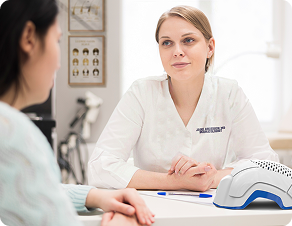
Platelet-rich plasma (PRP) therapy is a minimally invasive, regenerative treatment gaining recognition for its ability to reactivate dormant follicles and address early-stage balding. The procedure involves drawing a small sample of the patient's own blood, processing it to concentrate the platelets, and injecting the platelet-rich plasma directly into areas of hair loss. These concentrated platelets release powerful growth factors that stimulate cellular repair, improve blood flow to the scalp, and revive weakened follicles.
PRP therapy is typically administered in a series of sessions, with healthcare providers usually recommending treatment every three to six months. Most patients require multiple rounds before experiencing a noticeable slowdown in hair loss and the onset of regrowth. When combined with other treatments, such as minoxidil or low-level laser therapy, PRP can deliver enhanced outcomes, making it a compelling addition to a comprehensive hair restoration plan.
8. Hair Transplant
Hair transplant surgery might sound extreme, but it’s a well-established option for filling in stubborn bald spots. In this surgical procedure, hair is taken from areas with full coverage and grafted onto bald spots. While the results can be permanent and natural-looking, it’s important to note that this treatment can be expensive, and maintaining the grafts over time is crucial.
There’s no guarantee that hair grafts will survive long-term, as some may not thrive after a year. To improve your chances of success, make sure to consult an expert with extensive experience who can provide realistic expectations about the procedure and its outcomes. If you don’t want to undergo surgery, there are other alternatives to hair transplants, too.
Also Read: Hair Transplant vs Laser Treatment
9. Laser Therapy
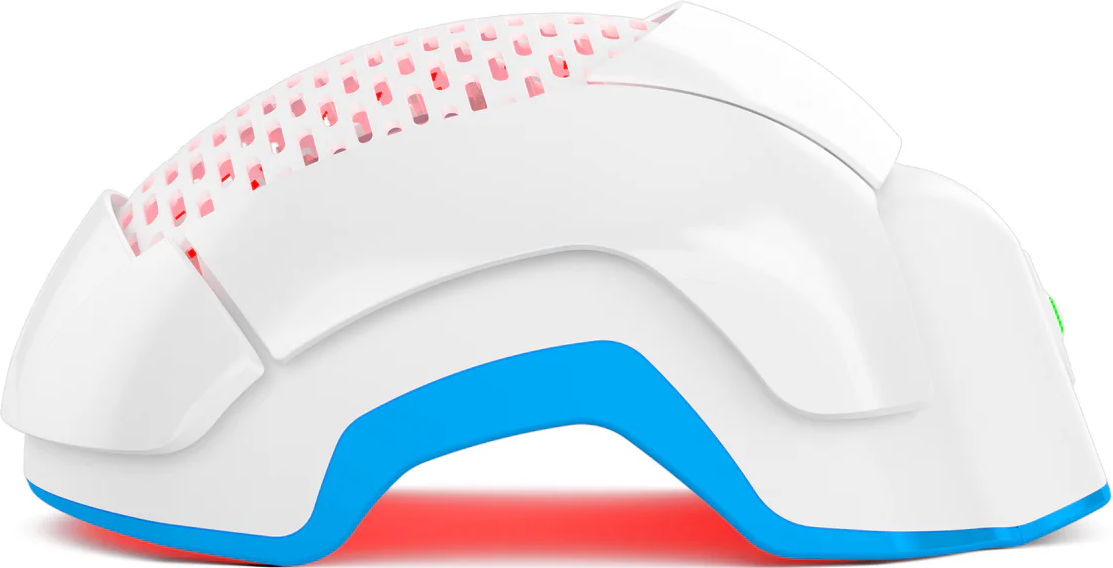
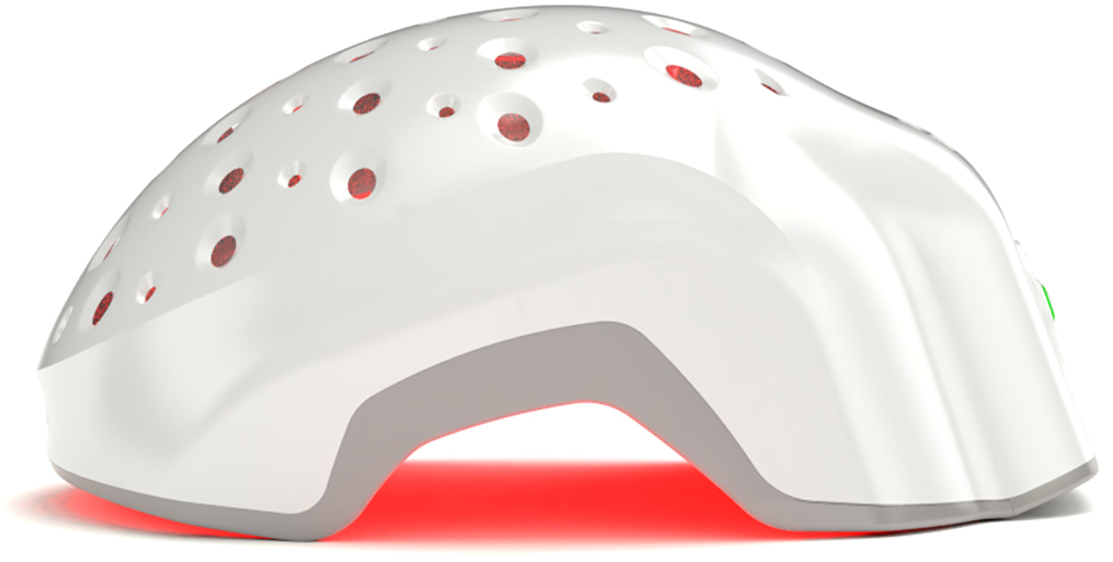
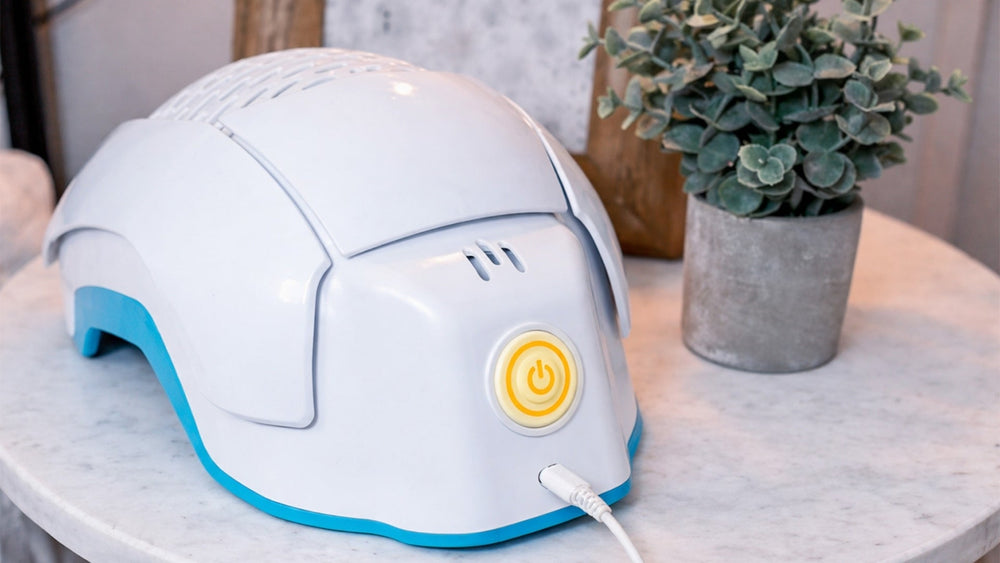
Low-level laser therapy (LLLT) combines cutting-edge technology with hair science. Devices like laser helmets deliver targeted light energy to the scalp, rejuvenating dormant follicles and increasing blood flow. Multiple clinical studies have demonstrated LLLT’s effectiveness in stimulating hair growth without side effects, making it a non-invasive alternative to surgery.
Get Rid of Your Bald Spot with Theradome
Regrowing hair on a bald spot is entirely possible with the right approach. By understanding the root cause and choosing the most effective treatments—whether natural, medical, or surgical—you can restore both your hair and your confidence. Consistency, patience, and professional guidance will take you closer to healthier, fuller hair.
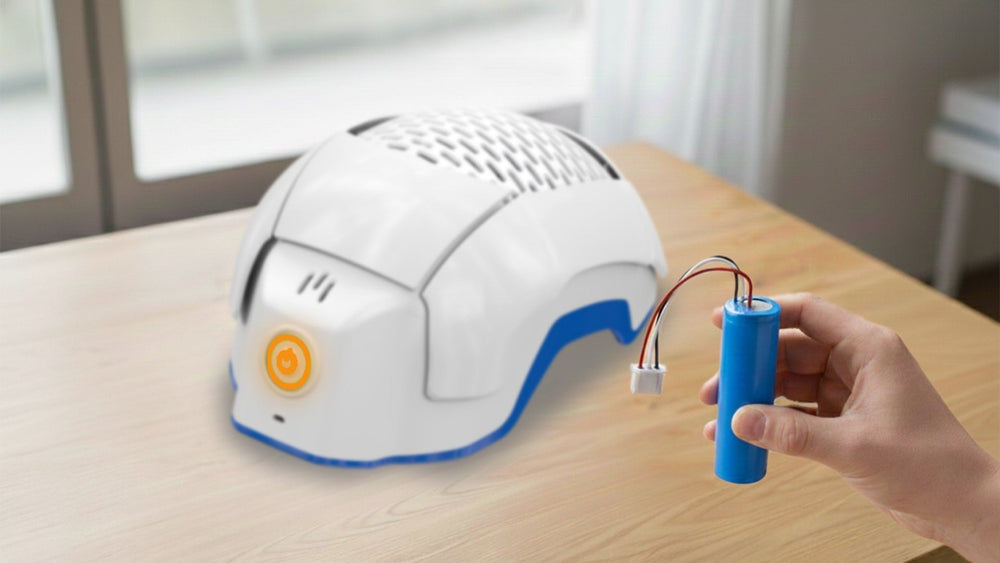
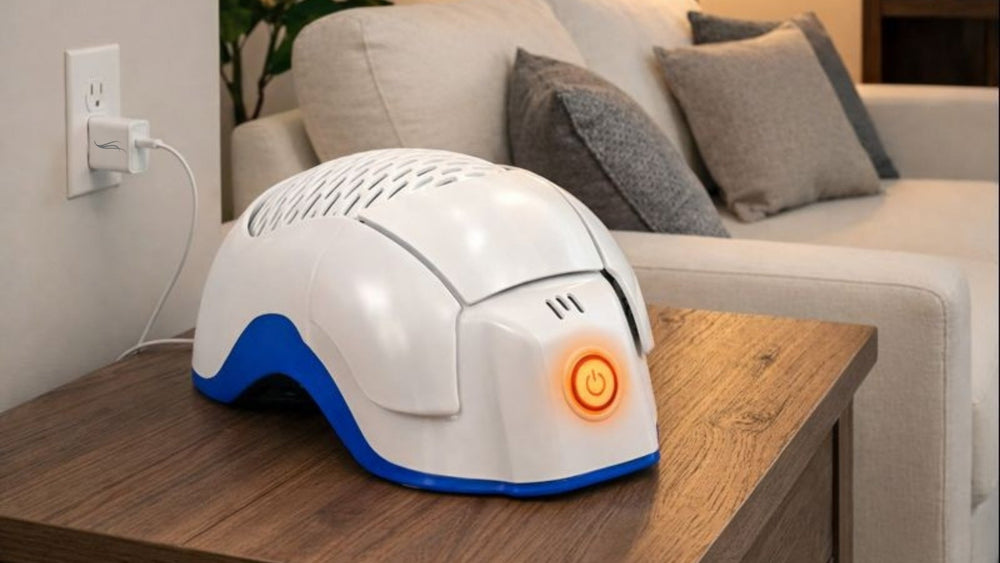
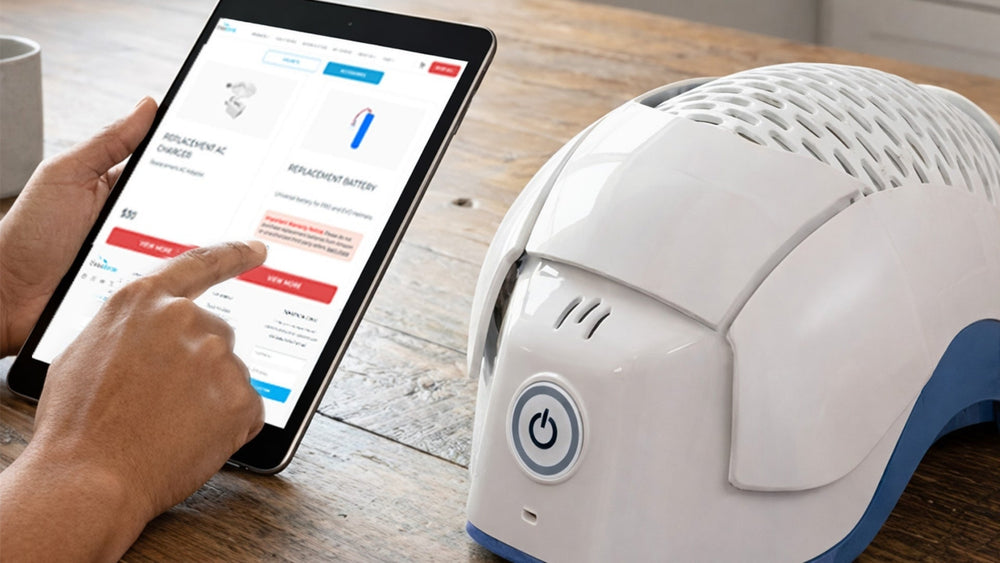
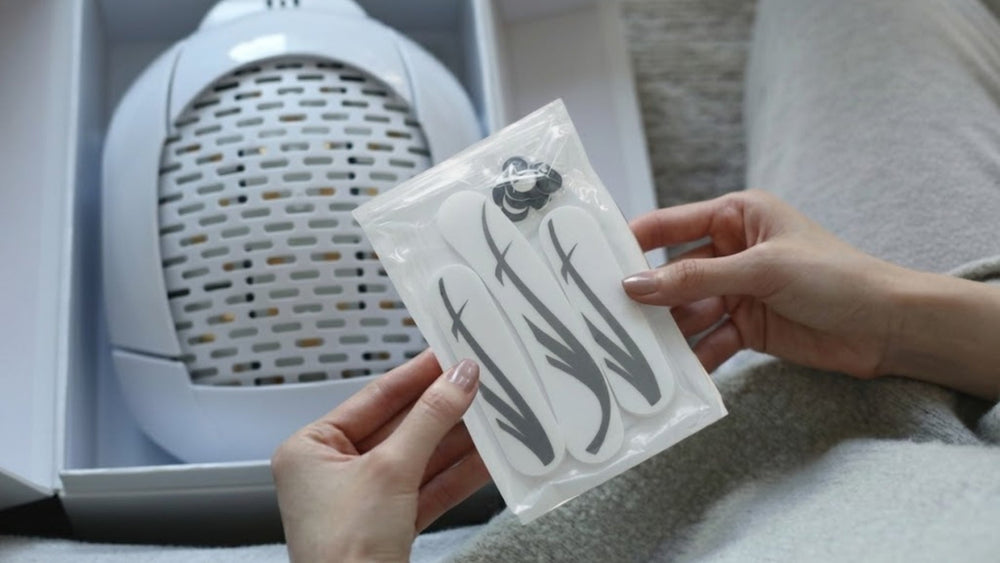
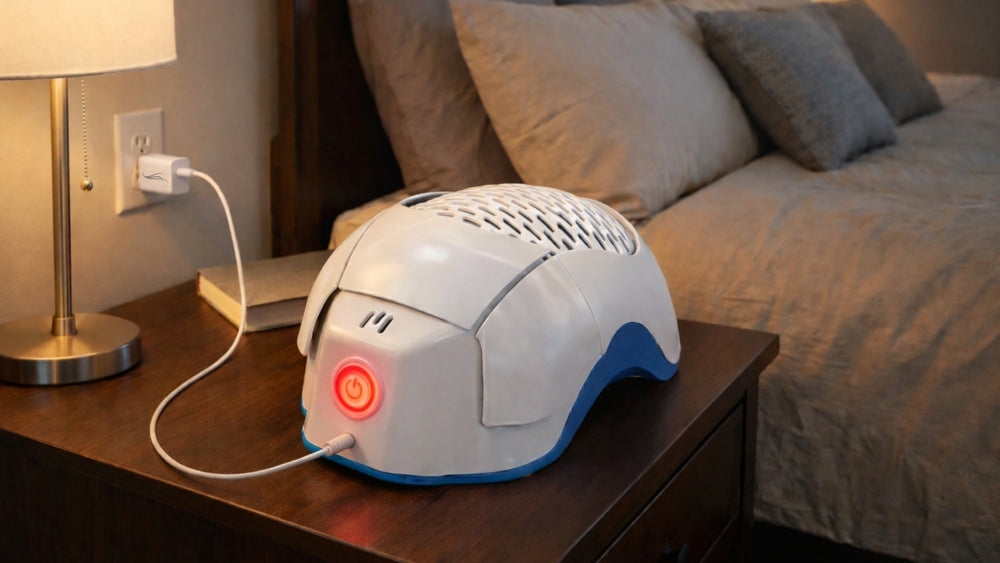
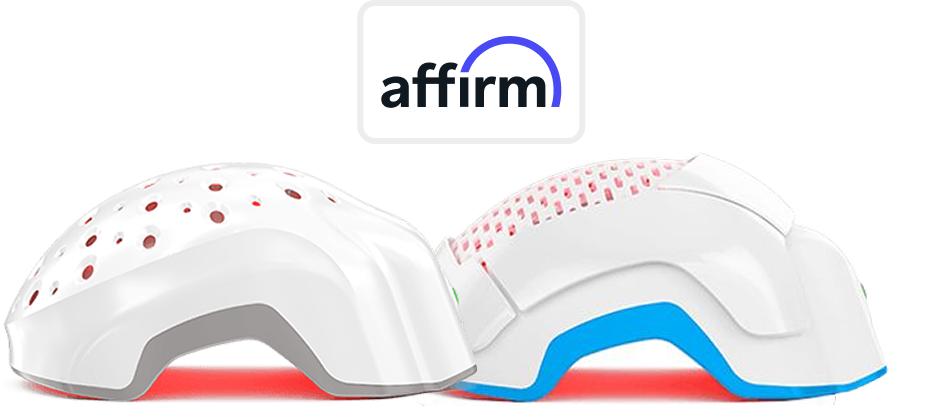
Theradome stands out in this innovative field, offering two advanced laser therapy devices: the Theradome PRO LH80 and the Theradome EVO LH40. These FDA-cleared helmets provide professional-grade laser technology designed to combat hair loss by stimulating cellular activity and promoting hair regrowth.
With their comfortable design and scientifically calibrated laser diodes, Theradome devices offer a convenient at-home solution for individuals seeking to address thinning hair and restore confidence.