





No. Topical hair care systems do not stop DHT production locally or systemically. Hormones are regulated by complex endocrine pathways throughout the body, and shampoos or cosmetic scalp products are not capable of “switching off” hormone production.
What some topical systems can do, though, is improve the scalp environment around vulnerable follicles. That distinction matters. A lot. Especially in a hair-loss industry that loves dramatic wording more than biological precision.
And honestly… this is where many people get misled.
A shampoo can help reduce dandruff, irritation, fungal overgrowth, and inflammation. A serum can support scalp comfort or improve hair appearance. Certain ingredients may create conditions that are more favorable for hair retention. But that is very different from “blocking hormones.”
What Is DHT and Why Does It Matter in Hair Loss?
DHT, short for dihydrotestosterone, is an androgen hormone formed when the enzyme 5-alpha reductase converts testosterone into a more potent androgen form. In androgenetic alopecia, certain follicles are genetically sensitive to DHT signaling. Over time, those follicles can gradually miniaturize, producing thinner and shorter hairs with each growth cycle.
But somewhere along the line, the internet simplified that part into:
“Just block DHT with a shampoo.”
Which… biologically… is a stretch.
A pretty big one, actually.
Hormones are not sitting on the scalp waiting to be rinsed down the drain like conditioner residue. Endocrine signaling is systemic, deeply regulated, and vastly more complicated than cosmetic marketing makes it sound.
Can Topical Hair Care Systems Actually Reduce DHT?
No. Not in the way most people think.
A topical cosmetic product may influence the surface environment of the scalp. It may reduce irritation. It may reduce fungal activity. It may calm inflammatory conditions that contribute to excessive shedding or scalp discomfort. But this is not the same thing as halting hormone production or significantly lowering systemic androgen activity.

Even when certain ingredients are described as “anti-androgenic” in lab discussions or preliminary studies, the evidence for meaningful real-world hormonal suppression through rinse-off cosmetics remains limited and inconsistent.
The Difference Between “Supporting Hair” and “Stopping Hormones”
These are not interchangeable ideas.
A healthier scalp can absolutely support better hair retention. Reduced inflammation may help follicles function more efficiently. Lower dandruff severity may reduce irritation-related shedding.
But none of that means:
“Your shampoo stopped DHT.”
That’s where the rails come off a little online.
And weirdly enough, the more dramatic the claim sounds, the less biologically believable it often becomes.
Common Ingredients Marketed as “DHT Blockers”
Ketoconazole
Ketoconazole is primarily an antifungal ingredient used in dandruff and seborrheic dermatitis shampoos. Some studies suggest it may support hair density or shaft thickness in androgenetic alopecia contexts, particularly when scalp inflammation is involved.
Still, ketoconazole is best understood as a scalp-condition management ingredient rather than a true hormone-stopping treatment.
That distinction matters.
Saw Palmetto
Saw palmetto is often marketed as a natural “DHT blocker.” Research around it is mixed, inconsistent, and formulation-dependent. Some studies suggest modest effects of saw palmetto in certain contexts, while others remain inconclusive.
And again… even in optimistic discussions, we are not talking about “stopping hormones.”
Caffeine
Caffeine-based hair products have gained attention because laboratory research suggests caffeine may counter certain suppressive effects on follicles in controlled settings.
But a petri dish is not a human scalp living through stress, genetics, poor sleep, inflammation, overwashing, heat styling, and three straight weeks of dry shampoo abuse.
Real life is messier.
The Ingredient We Actually Care About: Piroctone Olamine (Piroctin Complex)
This is where the conversation gets more interesting.
And frankly, more useful.
Instead of pretending to “stop hormones,” Theradome Hair Care focuses on creating a healthier scalp environment through ingredients like Piroctone Olamine (Piroctin Complex).
Piroctone Olamine is an antifungal ingredient widely used internationally in anti-dandruff and scalp-care formulations. It targets Malassezia yeast overgrowth, which is strongly associated with dandruff, scalp irritation, itching, and inflammatory scalp conditions.
And scalp inflammation matters more than many people realize.
A chronically irritated scalp is not exactly an ideal environment for struggling follicles.
Why Piroctone Olamine Matters for Hair Care
Research around Piroctone Olamine suggests it may help:
- reduce dandruff severity
- calm scalp irritation
- reduce excessive flaking
- support scalp comfort
- improve overall scalp condition
- potentially support better hair retention in some contexts
Piroctone Olamine is not a magical hormone blocker.
But it is a scalp-health ingredient.
So… Are There Shampoos That Actually Stop Hair Loss?
For androgenetic alopecia specifically?
No.
Not by themselves.
A shampoo cannot override genetics, halt endocrine signaling, or permanently stop follicle miniaturization caused by androgen sensitivity.
Now… can certain shampoos support scalp health in ways that help reduce excessive shedding linked to inflammation, fungal imbalance, or seborrheic dermatitis?
Absolutely.
That’s a completely reasonable statement.
But saying:
“This shampoo stops DHT.”
That’s where things start sounding more like marketing than trichology.

The Problem With Oral DHT Treatments (And Why Many People Hesitate)
Oral medications targeting DHT pathways, like finasteride, do have clinical evidence supporting effectiveness in androgenetic alopecia.
But they can also come with significant potential side effects.
That’s part of the conversation too.
Reported concerns may include:
- sexual side effects
- mood-related symptoms
- libido changes
- fertility concerns in some discussions
- ongoing controversy around persistent symptoms in certain individuals
A Different Approach: Supporting Follicles Instead of Trying to “Shut Off” Hormones
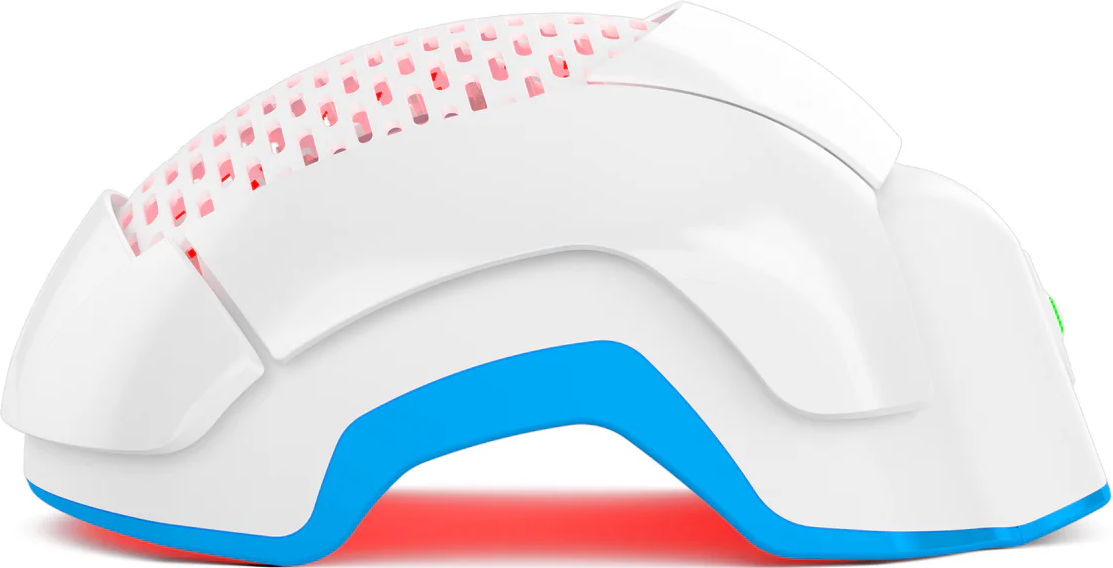
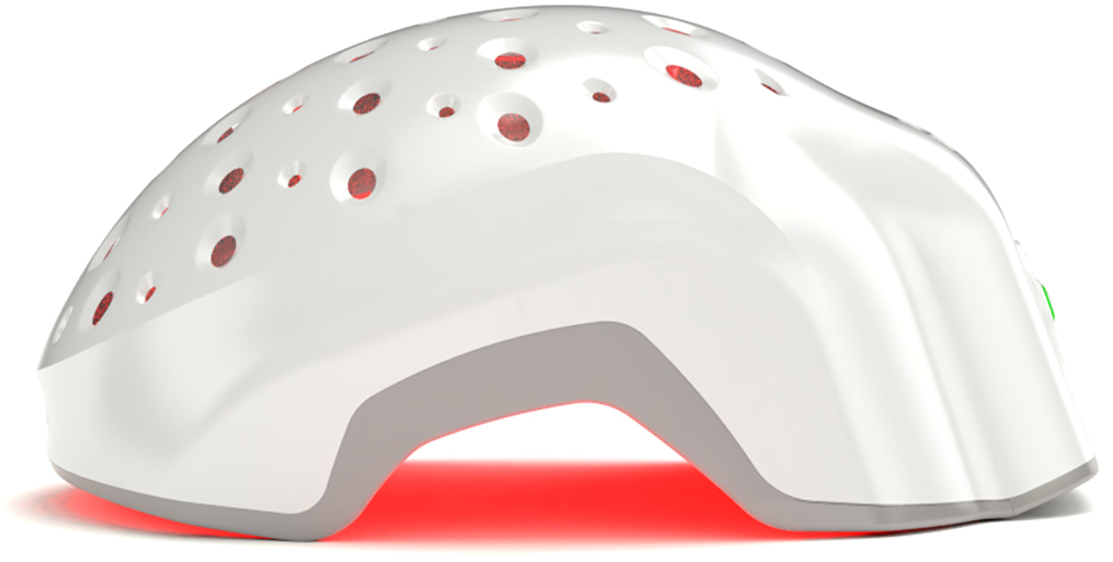
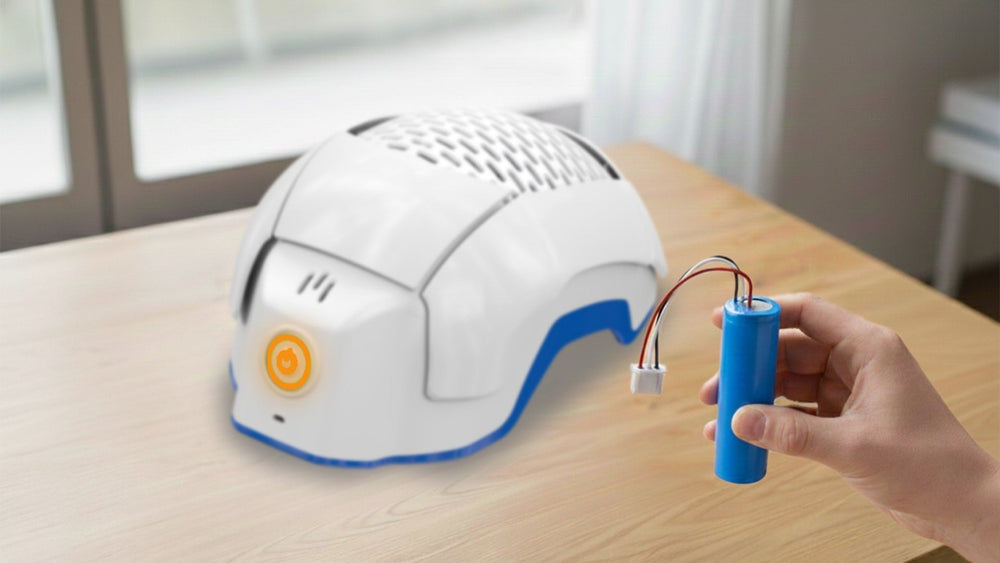
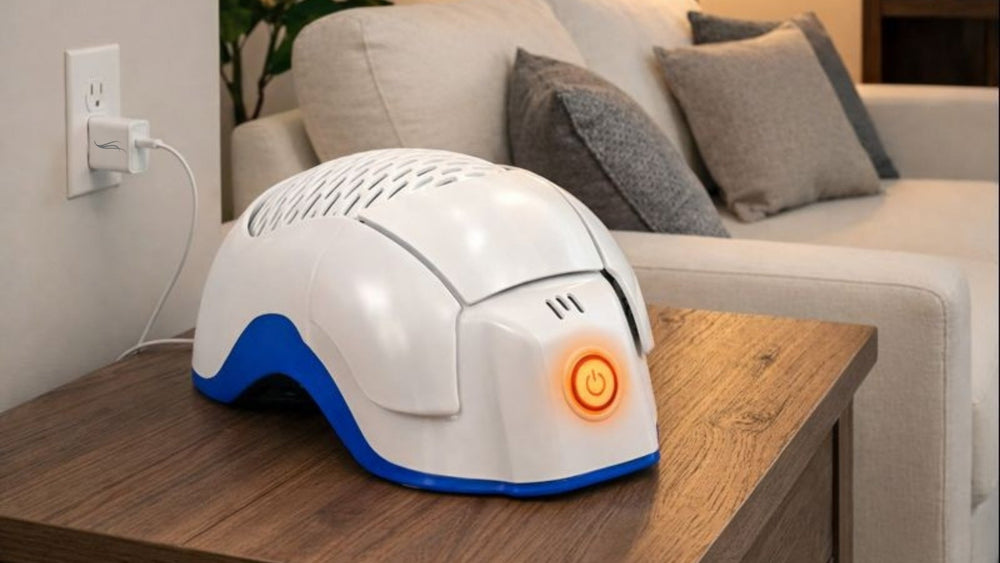
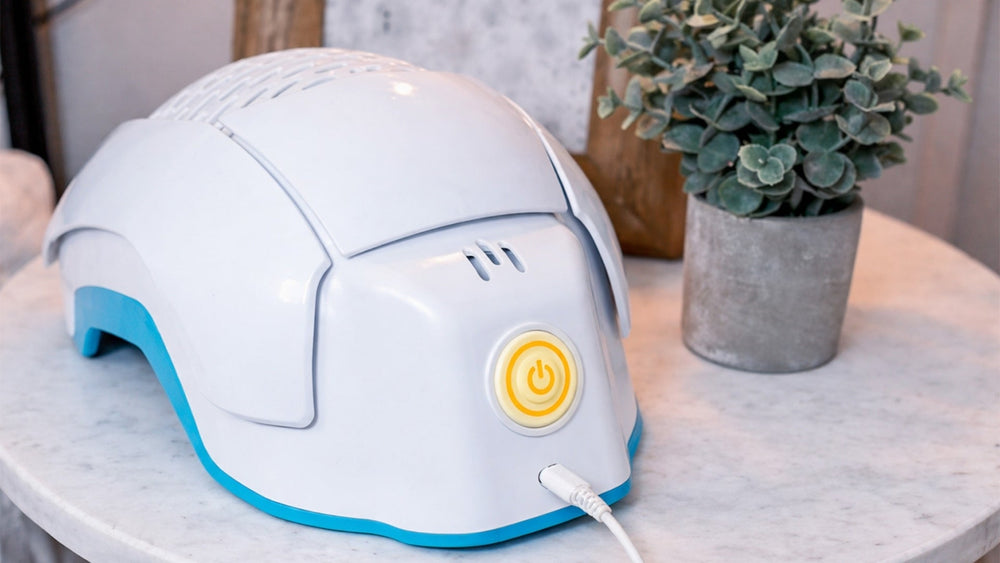
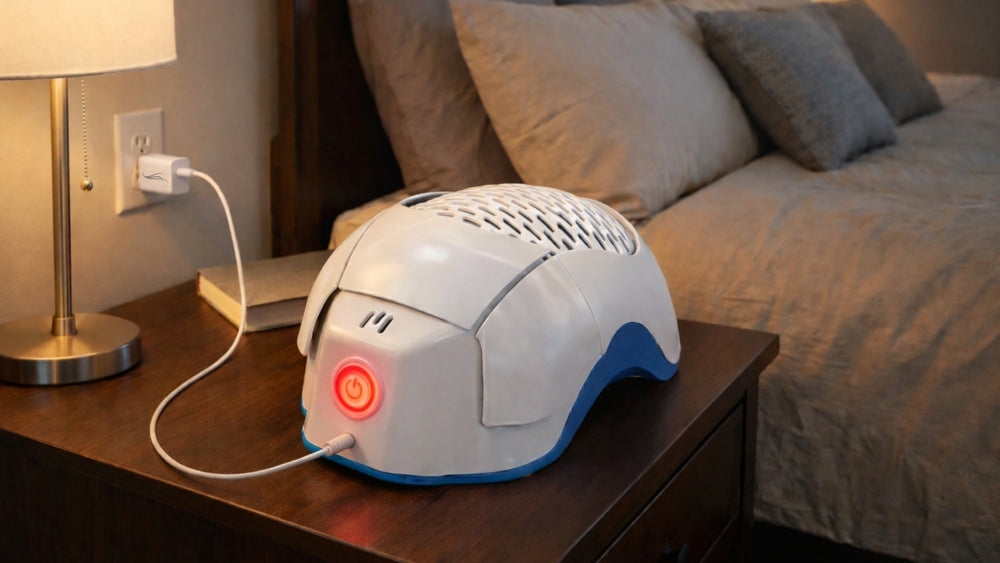
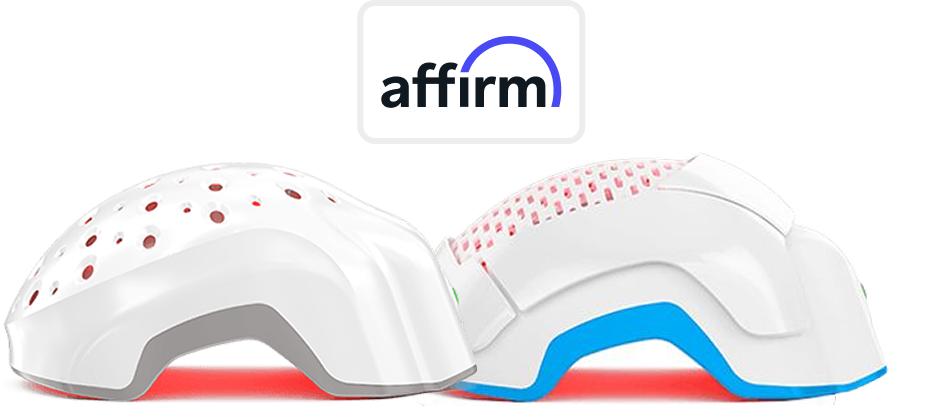
Laser Phototherapy (LPT) does not attempt to manipulate hormones locally or systemically. Instead, it supports follicle activity through photobiostimulation mechanisms studied in low-level laser research.
And yes… this is where things sometimes get lost online.
Not every effective hair-support strategy needs to revolve around “blocking DHT.”
Follicles are living mini-organs. They respond to inflammation, oxidative stress, scalp condition, metabolic activity, growth cycling, and cellular energy dynamics.
Hair biology is not one-dimensional.
Why Scalp Health Matters More Than People Think
A flaky, inflamed, irritated scalp is not doing vulnerable follicles any favors.
That’s why Theradome Hair Care products focus heavily on scalp-condition management through ingredients like Piroctone Olamine (Piroctin Complex), rather than pretending to function as topical hormone suppressors.
Control inflammation.
Reduce fungal overgrowth.
Support the scalp environment.
That’s the actual logic.
Conclusion
Do topical hair care systems reduce DHT?
No. Not in any clinically meaningful “hormone-stopping” sense.
Topical shampoos and scalp products can improve scalp conditions, reduce dandruff, calm irritation, and support healthier follicle environments. Ingredients like Piroctone Olamine (Piroctin Complex) are valuable because they help manage fungal imbalance and inflammation, not because they magically shut down hormones.
And that distinction is important.
Hair loss management tends to work better when the conversation stays grounded in biology instead of dramatic promises. Support the scalp. Support the follicle. Stay consistent. And be cautious of anything claiming to “block hormones” from a bottle sitting in your shower.