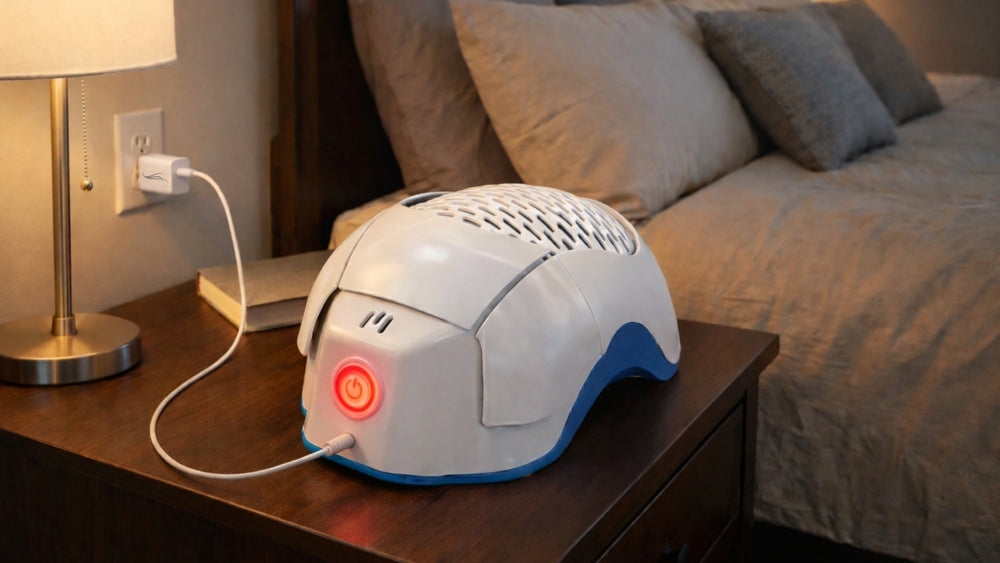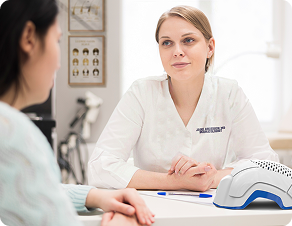

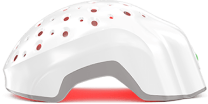





Cold lasers (low-power beams used in laser phototherapy (LPT)) stimulate mitochondria in scalp cells without heat or damage. When tuned to around 680 nm, they boost ATP, activate growth signals, and coax follicles from rest into regrowth. But not all “laser caps” are the same: the wrong wavelength or poor design can lead to zero results… or excess heat. Properly built LPT devices, though? Backed by clinical trials and FDA clearance, they’ve shown steady gains in hair density (especially in people with androgenetic alopecia) when used consistently over time.
What Exactly Is a Cold Laser?
Cold lasers are low‑output, non‑heating lasers used clinically to modulate cell behavior (not to cut or burn). In hair therapy they belong to the domain of Laser Phototherapy (LPT), a subtype of photobiomodulation.
When we say “cold,” we’re referring to the low power levels (often in the milliwatt range), which avoids thermal damage. These devices are distinct from surgical lasers (which ablate or vaporize tissue).
A little history: Theodore Maiman built the first working laser in 1960, and by the late 1960s, researchers (notably Mester) observed that low-intensity lasers sometimes accelerated hair regrowth on shaved mice. That accidental finding morphed into decades of exploration.
How Does Laser Phototherapy Actually Help Hair Grow?
Laser phototherapy (LPT) works because light, at just the right dose and wavelength, can “wake up” sluggish hair follicles. Specifically, cold lasers tuned to ~680 nanometers hit a biological sweet spot — powerful enough to penetrate the scalp and stimulate follicular cells, yet gentle enough to avoid burning or irritation.

The 680 nm wavelength gets absorbed by cytochrome-c oxidase inside mitochondria, displacing nitric oxide, which ramps up ATP production — the energy currency every cell needs to do its job. But here's where melanin comes in: this pigment also absorbs light. That’s why wavelength matters. Go too low, and light scatters; too high, and you risk heat or interference.
The therapeutic window is the clinical Goldilocks zone — not too little (no effect), not too much (potential harm). It’s the narrow gap between minimum effective dose and upper safety threshold. Outside that range, you either underdose and see no changes... or overdo it and trigger irritation, inflammation, or heat buildup (especially under helmets or caps).
Properly tuned LPT stays well within this safe zone — reaching both melanin-containing and non-melanin follicular structures while avoiding damage. That’s how hair regrowth gets nudged back into motion — gradually, safely, and cellularly.
Why the Scalp Loves Light
Hair cells are metabolically active and sensitive to energy flux. Even modest mitochondrial boosts (energy + oxygen) help reverse miniaturization stress.
Also, light may mildly improve scalp circulation and reduce local oxidative stress/inflammation — soft supportive roles, not primary drivers.
Is It Safe?
Let’s get this out: yes, within regulated parameters, LPT is considered safe for scalp use.
- Devices are marketed under FDA‑cleared status (for devices), not “approved” (that’s for drugs).
- Many devices fall into Class 3R safety class, meaning low risk when used as directed (low energy, no heating).
- Side effects in trials are rare and mild: transient redness, itching, dryness, or slight tingling.
- Importantly, these devices deliver light far weaker than things like high-powered surgical lasers or industrial lasers. The difference is vast.
Common fears (addressed):
- “Will it burn me?” — No, temperature rises are negligible when device specs are followed.
- “Lasers = dangerous radiation?” — Here, “radiation” means controlled electromagnetic waves, not nuclear.
-
“Eye damage?” — Proper devices include cutoff sensors or require that eyes remain closed; avoid direct ocular exposure.
What Does the Research Actually Say?
A 2021 meta‑analysis pooling randomized, sham‑controlled trials found a significant increase in hair density in LPT-treated groups over controls.
A double-blind, sham-controlled trial with 110 male participants showed increased hair counts and minimal side effects.
Another recent RCT (2024) comparing LPT vs topical 5% minoxidil found that in the LPT group: ~56.7% had mild to moderate growth, ~16.2% “excellent growth,” with ~27% no change.
Yet, in a 2024 study, the combination of minoxidil + LPT did not always outperform minoxidil alone — results were not statistically significant.
Thus, while LPT shows consistent benefit vs sham, comparisons to existing treatments remain mixed.
Who Can Benefit (and Who Might Not)?
- Ideal candidates: Persons with early to moderate androgenetic alopecia, whose follicles are miniaturized but not fully lost.
- Works in both men and women, per numerous trials.
- Less likely benefit: In long-standing bald patches where follicles are scarred or completely dormant.
-
Contraindications / cautions: photosensitivity disorders, certain medications (check with physician), active scalp infections, and perhaps pregnancy.
How Does It Compare to Other Treatments?
LPT vs Minoxidil / Finasteride
- Mechanisms differ: LPT gives energy to cells; minoxidil dilates vessels; finasteride modulates hormones.
- Some trials suggest additive benefits; others (like the 2024 study) found no significant combination superiority.
LPT vs PRP / Surgery
- PRP (platelet-rich plasma) and hair transplants are more invasive, costly, and variable in invasiveness.
- LPT can be used as a maintenance / supporting therapy.
- For context, recent meta-analysis for PRP in female pattern hair loss showed ~36.8 hairs/cm² increase over baseline.
How to Use LPT the Right Way
- Typical experimental protocols: 2–4 sessions per week, each ~15–25 minutes.
- Consistency is key — irregular use yields weak or no results.
- Position device so scalp receives uniform exposure; part hair in dense areas.
- Device care: keep clean, avoid blocked diodes, store properly.
- Expect to wait: visible changes may emerge at 4–6 months, stronger by 9–12 months in many studies
What to Expect — Results & Realistic Timelines
- Phase 1 (weeks 0–4): shedding may continue or slow.
- Phase 2 (months 3–6): fuzz, baby hairs, increased density in some zones.
- Phase 3 (6–12+ months): thicker coverage, improved shaft diameter in responders.
- To retain results, many users maintain sessions (e.g. 1–2×/week) long term.
- If users stop, gains may regress over months.
Why Theradome Stands Out: Precision, Safety, and Real Science
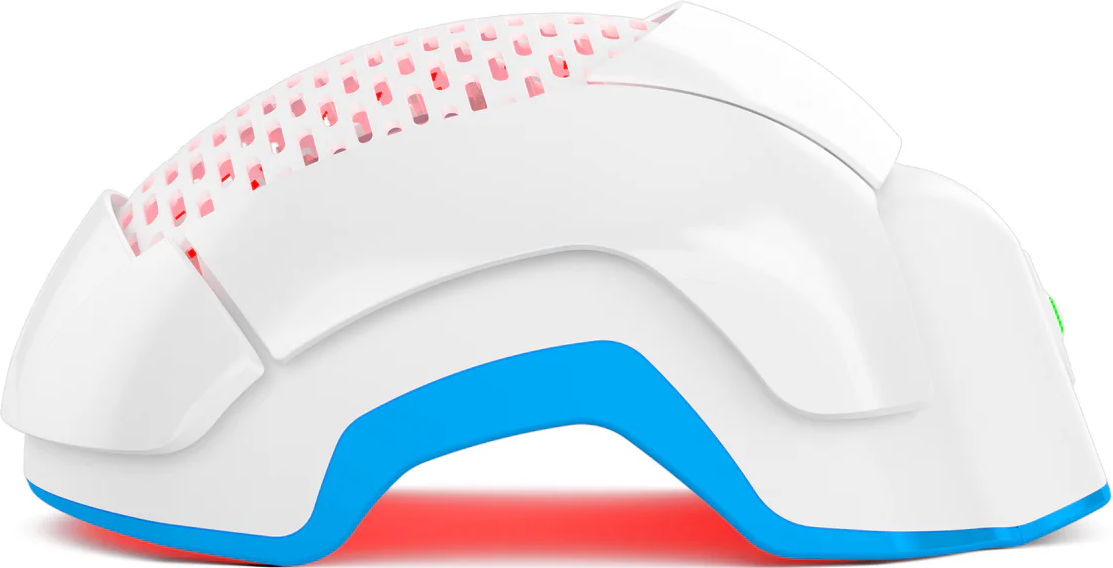
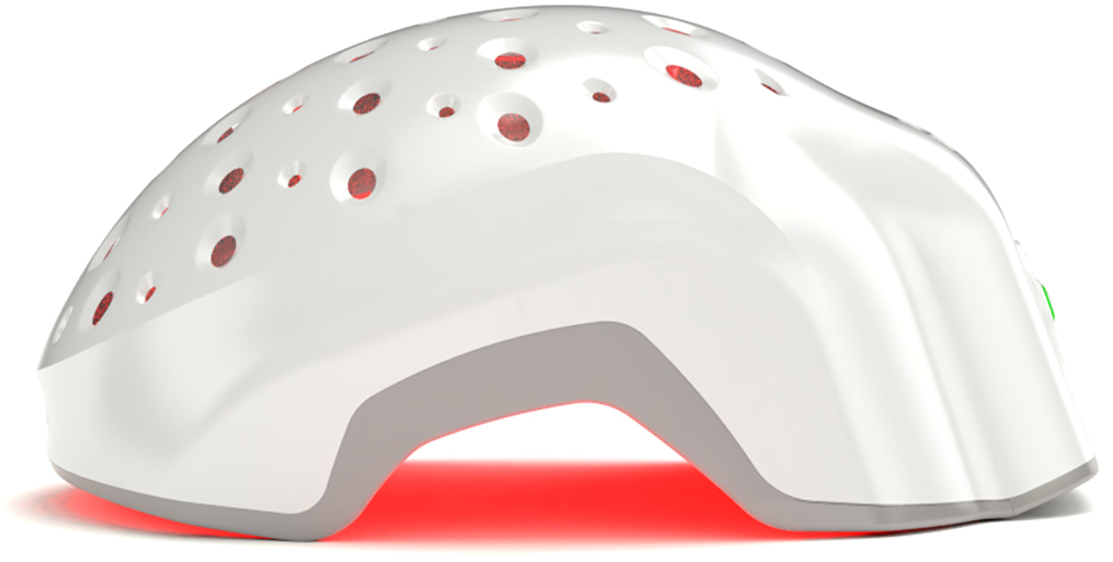
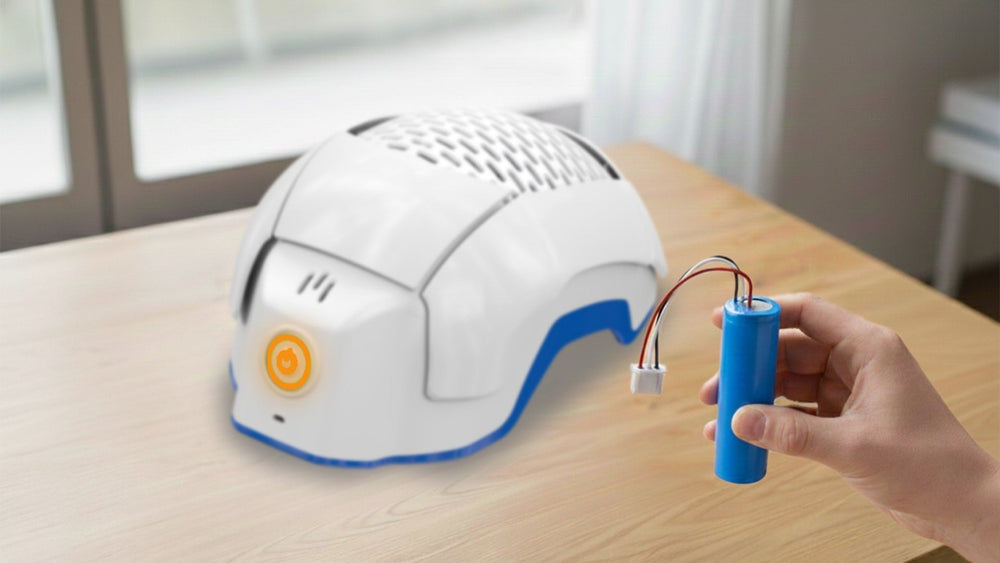
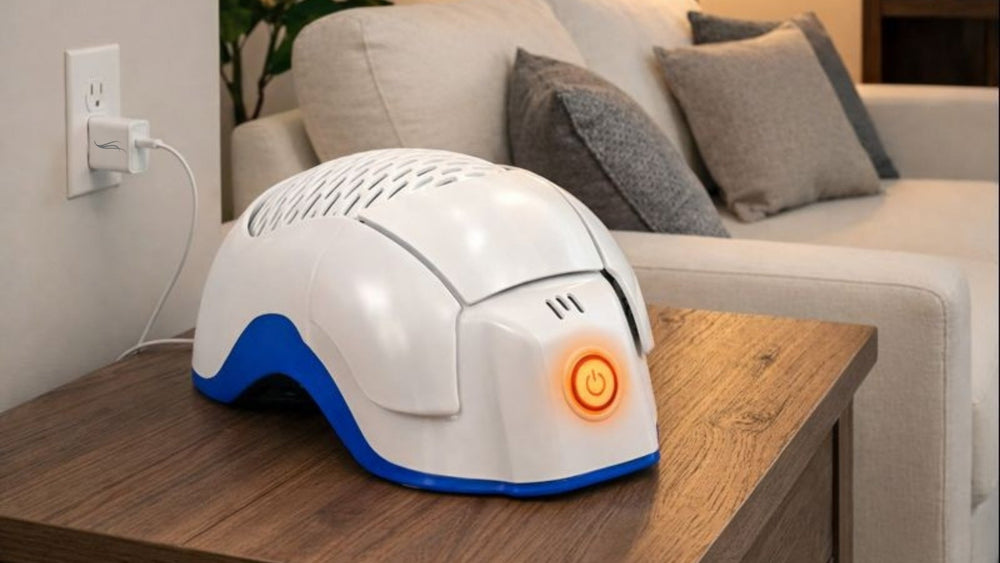
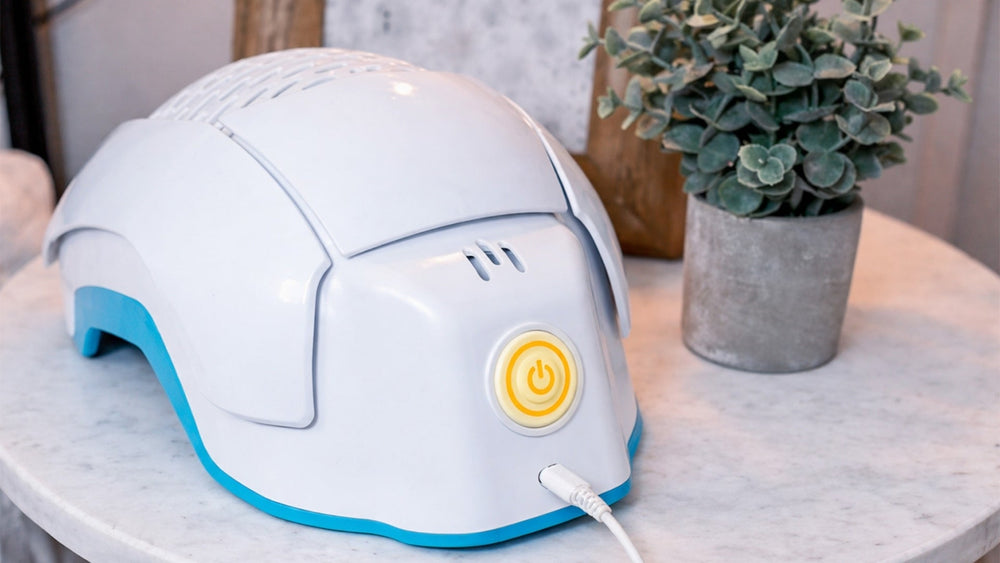
Unlike generic devices that throw out vague “laser light” promises, Theradome has been thoroughly tested and FDA-cleared for its wavelength accuracy, cooling design, and therapeutic output. Every component (from diode placement to dome curvature) is engineered to deliver clinically effective 680 nm light, directly into hair follicles, without overheating the scalp.
That’s critical because if a laser’s wavelength is off, or it lacks adequate cooling, you risk ineffective treatment or, worse, heat buildup under the helmet. Some knockoffs use LED lights posing as lasers — which won’t trigger the same mitochondrial pathways (or any growth at all).
Theradome doesn’t cut corners. It hits the therapeutic window with precision, keeps scalp temperature regulated, and ensures that the right kind of light reaches the right depth — every single time. It’s one of the few LPT helmets designed by biomedical engineers, with actual clinical oversight, and that... kind of matters when we’re talking about scalp health.
Conclusion
Cold lasers (LPT) offer a scientifically rooted, low‑risk method to support hair regrowth in androgenetic alopecia. They work by subtly energizing follicular cells, modulating inflammation, and stimulating growth pathways. The gains are not instant. But for many, the steady improved density is real. LPT is like a bio‑ally for your hair, not a miracle wand. Use consistently. Be patient. Monitor. And partner with a trusted clinician.