






Greasy hair is something almost everyone deals with at some point, but when it happens all the time, it can feel deflating. Excess oil leaves your hair looking limp and unwashed, affecting both your confidence and comfort. The challenge can feel even greater if you’re unsure why it’s happening or what to do about it.
If you’ve noticed your roots or strands getting oily quickly between washes, then this guide will take you through what greasy hair really is, the common reasons behind it, and the best ways to manage it.
How Do You Spot Greasy Hair?
It’s not hard to identify greasy hair. It will appear shinier or darker than usual, with strands that stick together instead of falling smoothly. Similarly, the hair around your face may look stringy, while the general style will feel flat or weighed down.
Moreover, a greasy scalp, limp roots, and a noticeable lack of volume are also common signs. In some instances, the build-up of oil will make hair harder to brush through, leaving it prone to tangles and overall more tricky to manage.
Why is My Hair Greasy?
The reason behind greasy hair is excess sebum, which is an oil that is produced by the scalp to keep hair hydrated and protected. While sebum is therefore essential to your hair health, too much of it can build up, attract dirt, and leave strands looking heavy, sticky, or unwashed.
Overproduction of sebum can actually lead to seborrheic dermatitis, a condition where oily patches of red, irritated skin form on the scalp or face. These areas will appear shiny and can be flaky or itchy.
Several factors influence how much sebum your scalp produces. Hormonal changes play a big part in this, which is the reason why oily skin and hair are common during teenage years, pregnancy, or menopause. Genetics are another factor because some people simply produce more oil than others. And as we age, sebaceous activity naturally slows down, so greasy hair becomes less of a problem when you’re older.
What if My Hair is Greasy After a Day?
If you think your hair gets greasy incredibly fast, then this is due to the fact that not everyone’s hair reacts to oil the same way.
For example, fine or thin hair can look greasy within a day of washing because the strands are smaller in diameter, and so oil spreads more easily from the scalp. On the other hand, people with very long, curly, coarse, or thick hair can go several days, or even a full week, before oil buildup becomes noticeable.
If your hair seems oily just hours after you wash it, then over-washing is likely part of the problem. Shampooing too often strips the scalp of its natural oils, meaning it has to produce more sebum to compensate. Ultimately, how greasy your hair gets comes down to two things: how much oil your scalp produces and how quickly that oil travels down the hair shaft.
Can Washing with Just Water Help Greasy Hair?
No, washing with water alone isn’t really enough to keep hair clean since it can’t fully break down oils, dirt, or leftover styling products, meaning strands will still look slick or feel heavy after washing. People who follow a water-only routine could notice that their scalp eventually adjusts and produces less oil, but the transition phase will inevitably leave hair looking extra greasy.
If you’re after a more balanced approach, then mild cleansing products are a better option. A sulfate-free shampoo will lift away that excess oil without stripping your scalp. And when conditioning, just focus on the mid-lengths and ends, areas where the hair will actually benefit, while avoiding the roots to prevent extra buildup at the scalp. Don’t forget to rinse thoroughly either, ideally with lukewarm water.
Can Greasy Hair Cause Dandruff?
Yes, excess oil on the scalp can eventually result in dandruff, especially with regard to oily dandruff. When too much sebum builds up, it traps debris and thereby creates the perfect environment for Malassezia, which is a naturally occurring yeast that feeds on scalp oils. This yeast directly triggers irritation, leading to flaking, redness, and itching.
This is the main reason why letting your hair become overly greasy isn’t just a cosmetic issue, it can also aggravate the scalp and cause dandruff symptoms or make it worse if you have it already.
Can Greasy Hair Lead to Hair Loss?
Greasy hair on its own won’t make your hair fall out, but it will contribute to conditions that weaken or damage hair.
Specifically, when excess sebum accumulates, it clogs up hair follicles, disrupts growth, and generally fosters irritation and infection. Scalp inflammation, whether from the resulting folliculitis, seborrheic dermatitis, or even repeated scratching, can then cause breakage or shedding.
How to Stop Hair Loss from Greasy or Oily Scalp
If excess oil has started to take a toll on your hair, the good news is that it can usually be managed with the right care. Given that greasy hair itself isn’t the direct cause of hair loss, focusing on scalp health can make a big difference.
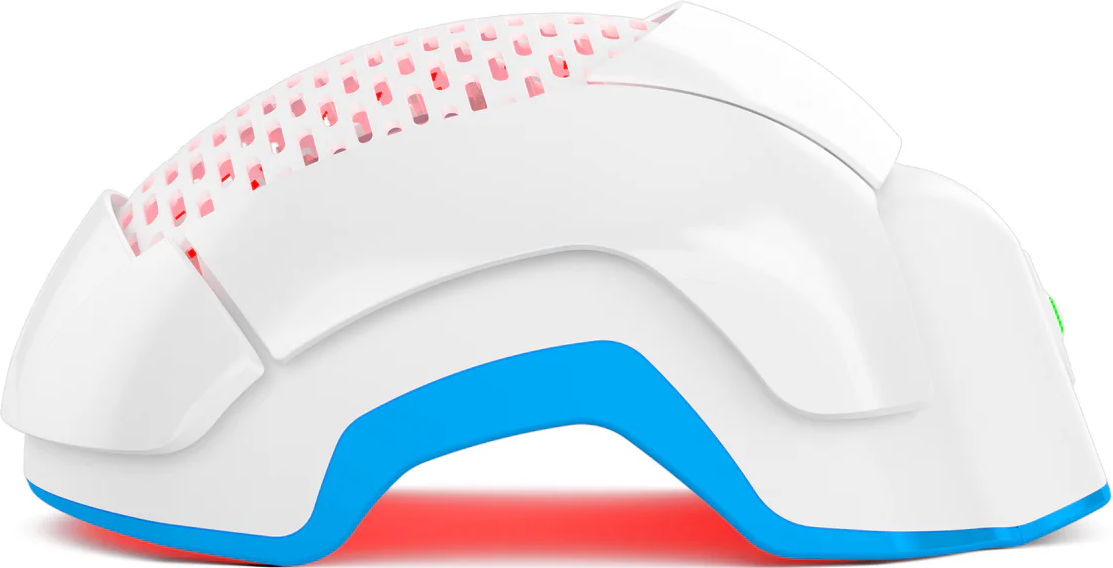
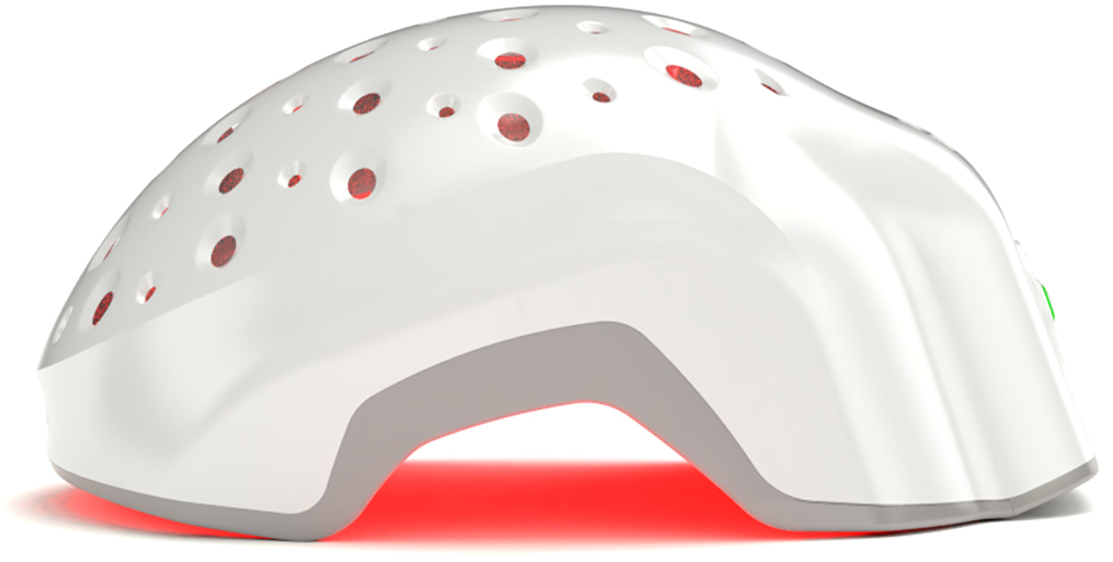
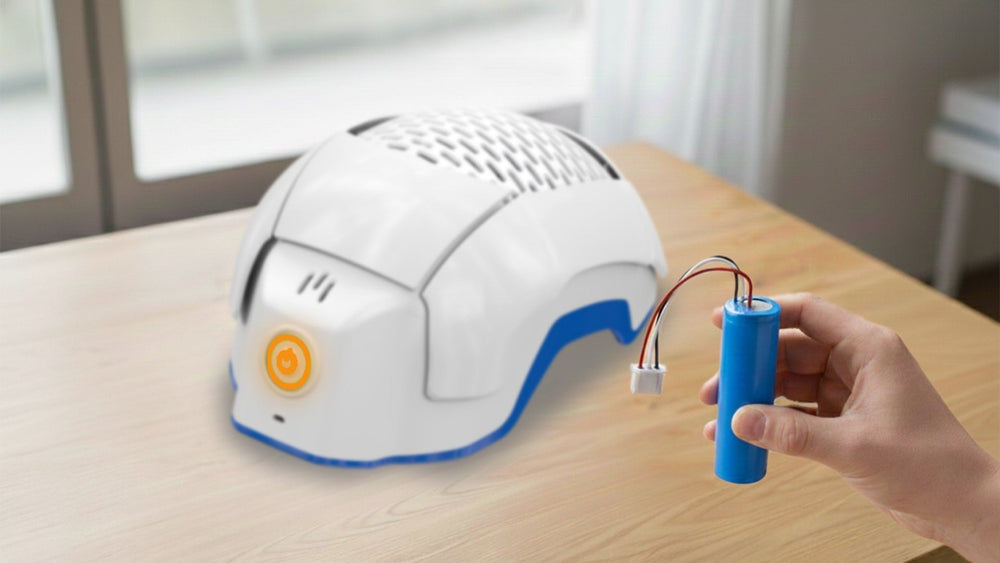
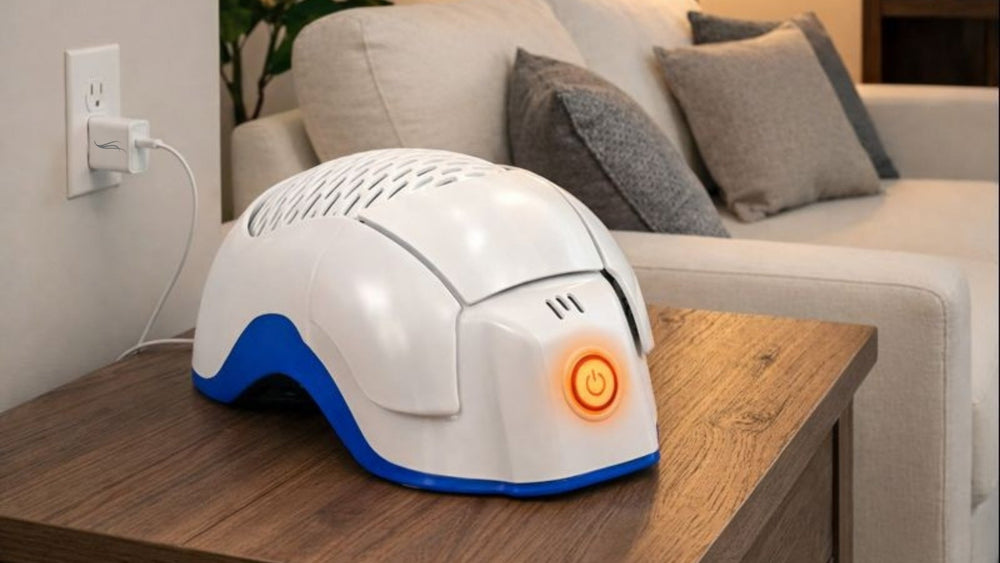
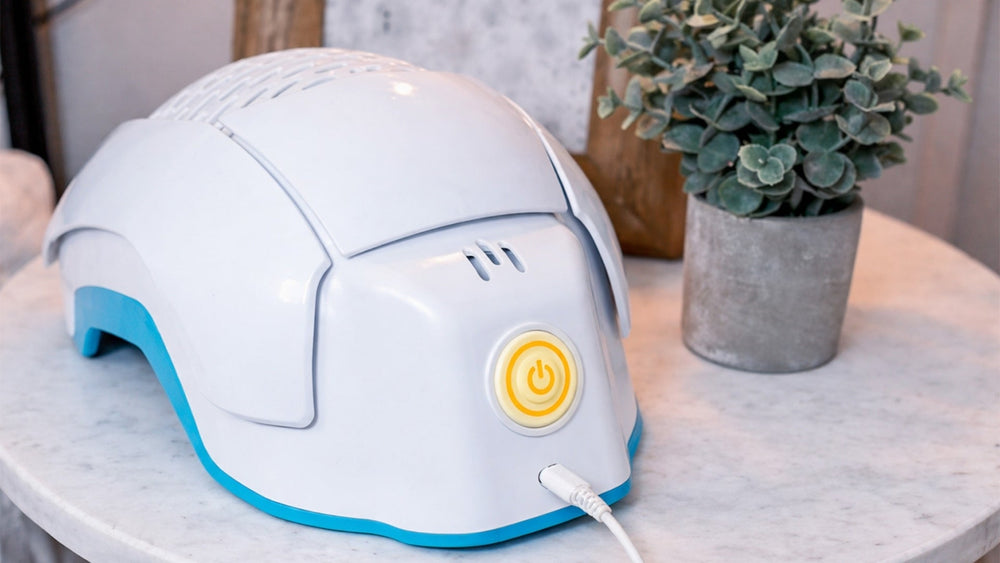
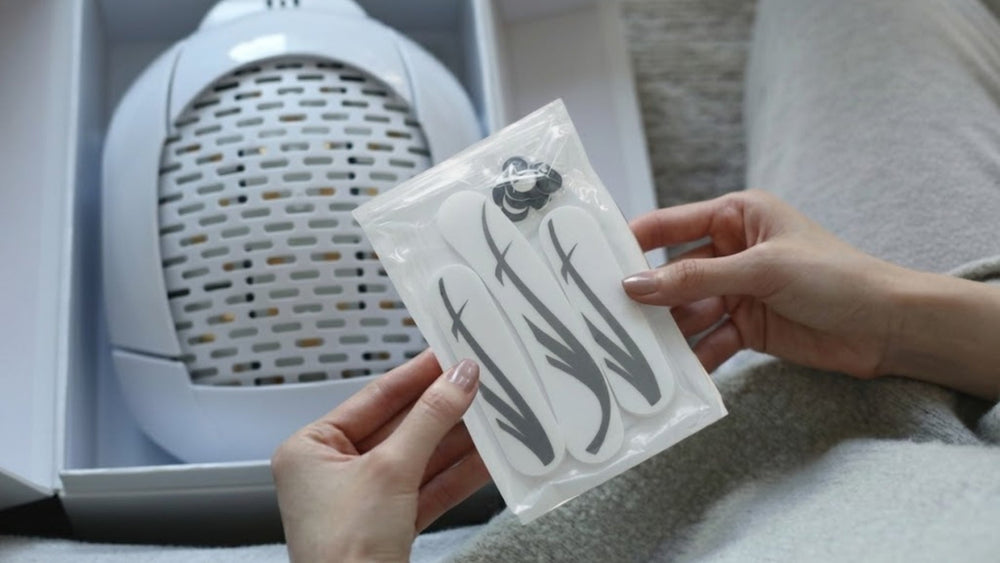
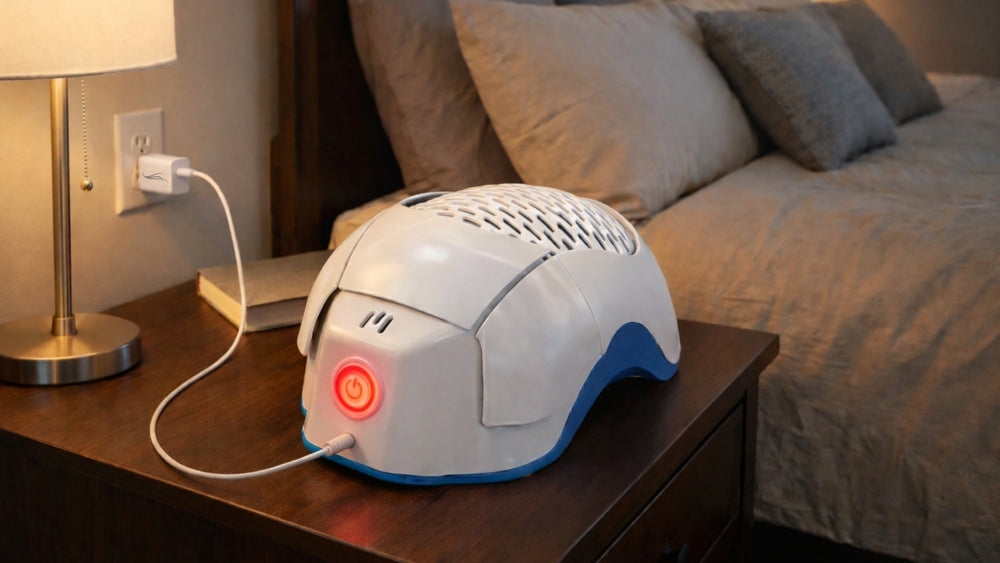
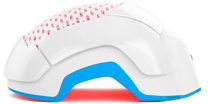
One standout option is low-level laser therapy (LLLT). Devices like the Theradome laser helmet use targeted light to stimulate follicles and support new growth. When combined with consistent scalp care, such as gentle cleansing, proper conditioning, and routines that keep oil and irritation under control, LLLT can help create a better environment for stronger, healthier hair.