






When people think about hair regrowth, they’ll focus on the follicle itself via genetics, hormones, or the latest treatment. But hair doesn’t exist in isolation due to that fact it’s deeply connected to what’s happening in the rest of your body.
Low-level laser therapy (LLLT) stimulates follicles and thereby the hair growth cycle, yet your lifestyle ultimately determines how well your scalp responds since sleep, stress, alcohol consumption, and environmental factors all influence whether your follicles are primed for regrowth.
In other words, LLLT works best when your daily habits aren’t working against it. In this article, we’ll cover everything you need to know on the matter.
Do lifestyle choices really affect hair regrowth?
Hair loss isn’t limited to age, gender, race, hair type, or hair color. Although growth rates do naturally slow over time, the truth is that anyone is able to experience thinning or shedding under the right (or wrong) conditions.
Lifestyle factors act as silent accelerators in that they don’t always cause hair loss outright, they instead push vulnerable follicles over the edge, especially in people who are genetically predisposed.
In this context, LLLT re-energizes follicles, though it won’t fully override chronic stress, sleep deprivation, nutrient depletion, or systemic inflammation.
How does sleep impact hair growth and LLLT results?
Sleep is when your body does most of its repair work, including repairing hair follicles. Specifically, during deep sleep, cells regenerate, tissues repair themselves, hormones are regulated, and inflammation is reduced.
Hair follicles rely on these processes to stay in the growth (anagen) phase, and when sleep is disrupted, the hair cycle suffers because poor sleep:
- Increases cortisol, the stress hormone linked to hair shedding
- Disrupts melatonin, which is involved in follicle health
- Increases scalp inflammation, therefore weakening follicles
- Triggers telogen effluvium, i.e., where hair prematurely enters the resting phase and falls out
So, despite LLLT stimulating cellular energy production, results will be slower or less noticeable if follicles aren’t getting adequate recovery time. Simply put, LLLT works better on well-rested follicles.
Does chronic stress reduce the effectiveness of LLLT?
Humans weren’t built for constant pressure, yet modern life keeps us in a near-permanent state of stress. Financial worries, work demands, social pressure, lack of downtime, all of it adds up.
And, when stress becomes chronic, the body shifts into survival mode, wherein hair growth becomes a low priority. As such, for people with the genetic predisposition for androgenetic alopecia, stress:
- Triggers earlier-than-expected hair loss
- Increases shedding
- Amplifies the damaging effects of DHT
- Reduces the effectiveness of regrowth treatments
LLLT counteracts some stress-related damage by improving follicle metabolism and reducing inflammation, though it works best when stress is actively managed. Consequently, you should think of stress reduction as creating the conditions which allow LLLT to do its job.
Does alcohol consumption contribute to hair thinning?
Occasional drinking isn’t the issue, excessive alcohol use is. Alcohol affects hair regrowth in several ways:
- Depletes zinc and B vitamins, both essential for hair growth
- Disrupts sleep quality, even if you fall asleep faster
- Causes dehydration, affecting scalp health
- Inflames the gut, impairing nutrient absorption
The liver also plays a big part in hormone regulation, meaning that when it’s overburdened by alcohol, hormone levels (including estrogen, testosterone, and DHT) fluctuate unpredictably.
For women, this means visible hair thinning, whereas for men, elevated estrogen and hormonal imbalance worsens patterned hair loss. LLLT supports follicle energy, but nutrient-deprived, hormonally unstable follicles can’t fully capitalize on that boost.
How do environmental factors influence hair health and regrowth?
Is vitamin D deficiency linked to hair loss?
Produced when our skin is exposed to the sun, vitamin D is integral to:
- Mood regulation
- Hormonal balance
- Immune health
- Hair follicle function
Since hair follicles contain vitamin D receptors, which are most active during the growth phase, low vitamin D levels have been strongly associated with various forms of hair loss such as alopecia areata.
While making sure you get enough vitamin D isn’t a guaranteed cure, adequate levels ensure follicles remain responsive to growth signals, including those delivered by LLLT.
Why does hair shed more during certain seasons?
Humans shed hair seasonally as an evolutionary response to conserve nutrients. Of course, when this happens exactly is down to where in particular you live:
- Northern Hemisphere: peak shedding occurs November-December
- Southern Hemisphere: May-June
- Secondary shedding periods appear in spring and fall
This seasonal shedding makes it seem like treatments aren’t working, when, in reality, the body is cycling naturally. LLLT works here by keeping follicles in the growth phase longer, minimizing the visual impact of seasonal loss.
Does what you eat trigger hair shedding?
Extreme dieting or rapid weight loss places stress on the body and leads to nutrient deficiencies, and hair is one of the first systems to suffer.
Hair loss under these conditions isn’t abnormal, it’s basically a signal that the body is reallocating resources. The goal isn’t to stop shedding entirely (that’s unrealistic), rather to:
- Support regrowth
- Keep follicles active
- Prevent prolonged dormancy
A balanced diet, moderate exercise, and stable routines create the internal environment LLLT needs to be effective.
Do lifestyle changes improve LLLT results?
Low-level laser therapy doesn’t operate in a vacuum. In summary, it’s a powerful tool, however it performs best when paired with healthy daily habits due to how sleep supports repair, stress management preserves growth signals, low alcohol intake protects nutrients and hormones, and environmental awareness prevents unnecessary setbacks.
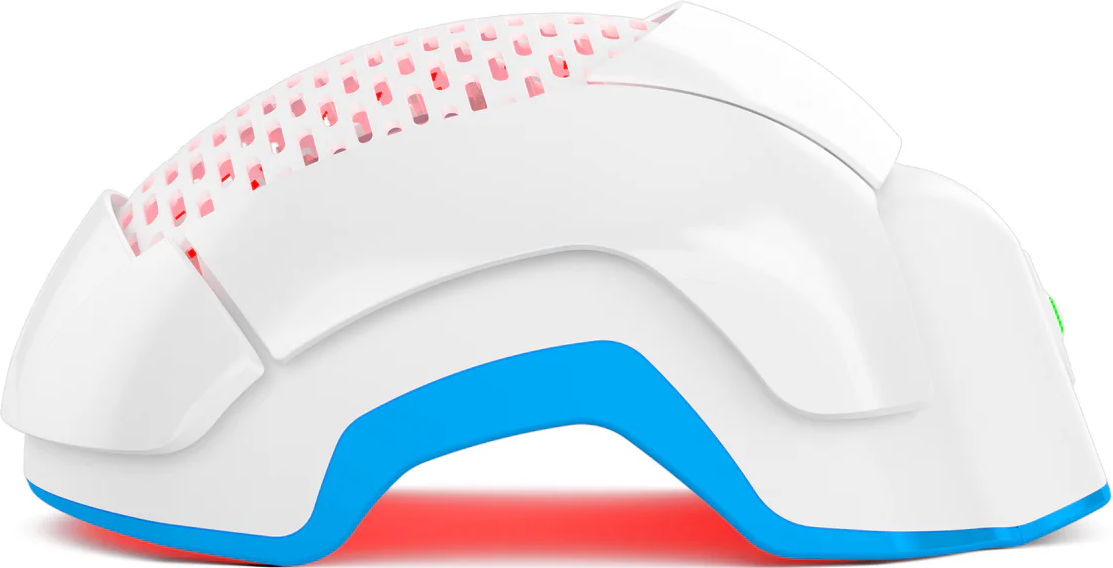
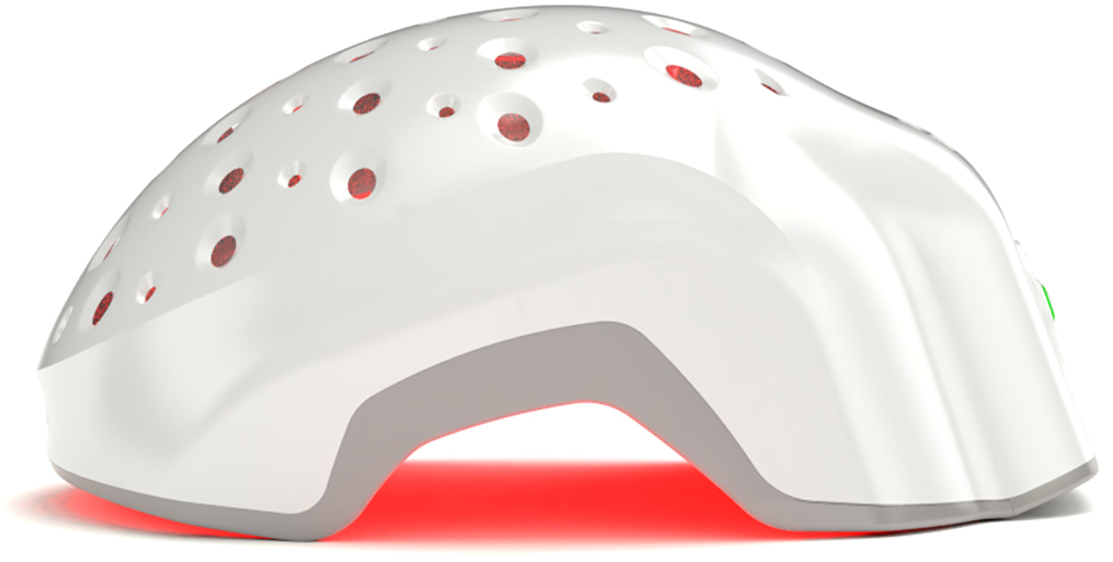
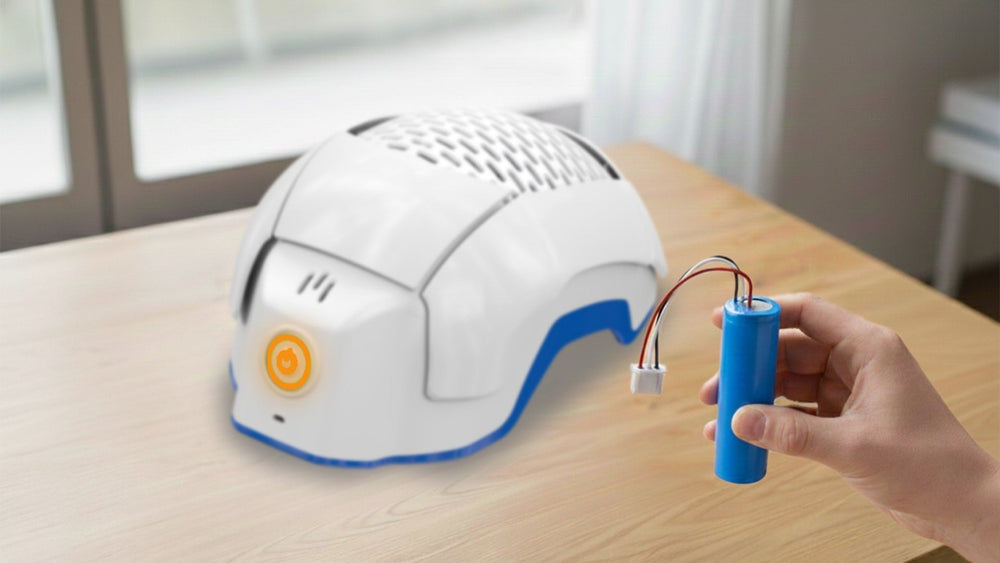
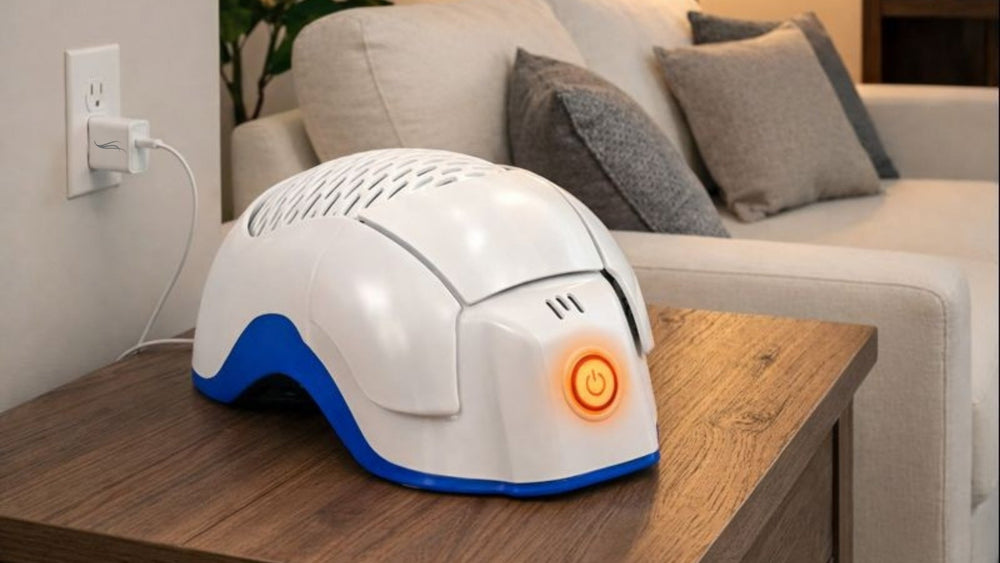
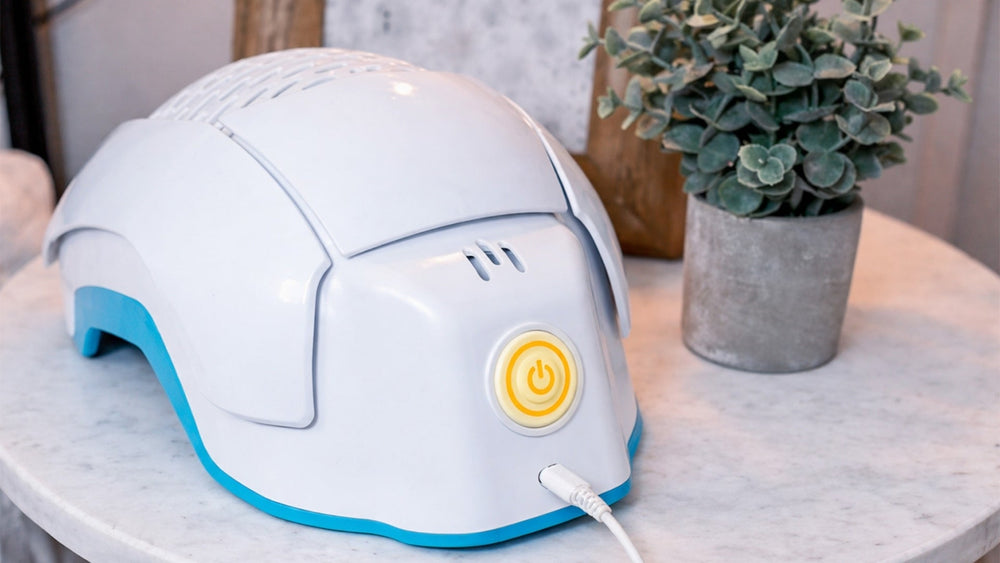
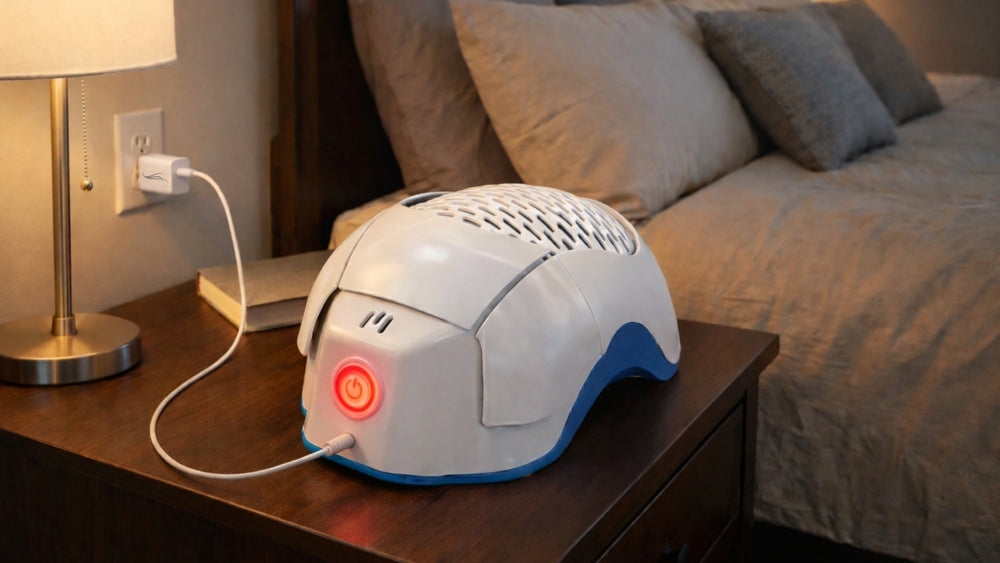
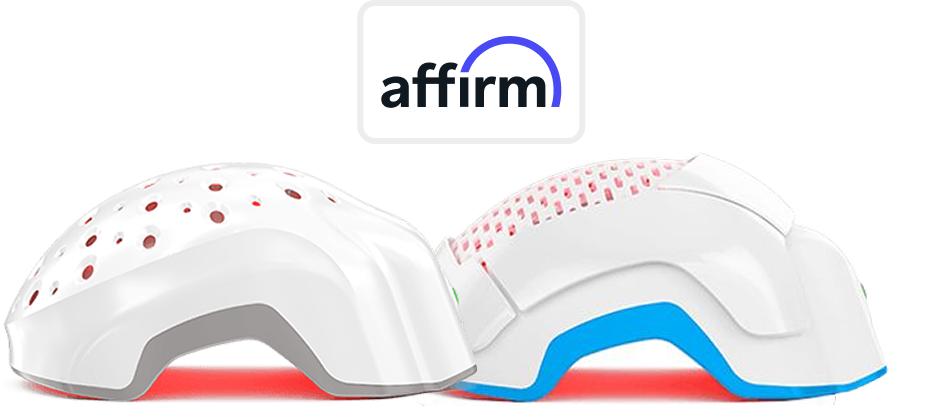
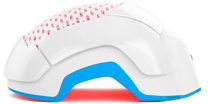
Devices like the Theradome PRO LH80 and Theradome EVO LH40 deliver consistent, medical-grade LLLT so that follicles stay energized and active. Importantly, the strongest results come when your lifestyle supports your scalp, not sabotages it, because real hair regrowth is about how you live every day.