







The six commonly encountered triggers of hair loss are inherited pattern hair loss, major physical or emotional stress, hormonal or endocrine changes, rapid weight loss or relevant nutritional deficiency, certain medications and medical treatments, and repeated traction or hair-shaft damage.
But one detail changes nearly everything: those six triggers do not all cause the same kind of loss. A widening part, a palmful of shed hairs, and dozens of snapped pieces may look equally alarming beside the shower drain. Biologically, they are quite different.
Some causes can be reduced. Some can only be managed. Others need prompt treatment before follicular damage becomes permanent.
What Are the 6 Most Common Triggers of Hair Loss?
The phrase common triggers of hair loss covers several very different situations. Some are underlying conditions, such as androgenetic alopecia. Others are bodily events or repeated exposures that disturb the hair cycle, weaken the strand, or injure the follicle.
And yes, more than one can happen at once.
A bout of telogen effluvium may reveal female pattern thinning that was already quietly developing. Chemical breakage can sit on top of androgenetic alopecia. Repeated traction may coexist with an inflammatory scalp condition. Hair does not always have the courtesy to develop one tidy problem at a time.
|
Trigger |
What it often looks like |
Typical timing |
How preventable is it? |
Sensible first action |
|
Androgenetic alopecia |
Widening part, crown thinning, receding temples, finer hairs |
Gradual |
Genetic susceptibility cannot be prevented, though progression may be managed |
Seek an accurate diagnosis early |
|
Telogen effluvium after stress or illness |
Diffuse shedding across the scalp |
Often begins two to three months later |
Sometimes partly preventable |
Build a timeline of recent health events |
|
Hormonal or endocrine change |
Diffuse shedding or patterned thinning |
Varies by cause |
Usually manageable rather than fully preventable |
Note accompanying symptoms |
|
Rapid weight loss or relevant deficiency |
Diffuse shedding and reduced volume |
Usually delayed |
Often partly preventable |
Review intake and test where clinically justified |
|
Medication or medical treatment |
Diffuse shedding or more rapid growing-hair loss |
Varies by mechanism |
Sometimes manageable |
Contact the prescriber before changing anything |
|
Traction, chemical processing, or heat |
Edge loss, focal thinning, short broken hairs, uneven length |
Cumulative |
Often substantially preventable |
Remove pain, tension, and repeated damage |
This table sorts clues. It cannot diagnose the cause.
A dermatologist may need to examine the scalp, assess the pattern under magnification, review recent events, and order selected tests. That is especially important when the loss is persistent, patchy, painful, inflamed, or steadily progressing. (American Academy of Dermatology, n.d.)
Before Blaming a Trigger, Is It Shedding, Thinning, or Breakage?
“Hair loss” is used for almost anything involving less hair. Clinically, that can muddy the waters fast.
Excessive shedding means full strands are being released from follicles in greater numbers. Progressive thinning often involves gradual miniaturisation, where affected follicles produce finer and shorter hairs. Breakage occurs when the shaft snaps somewhere above the scalp.
Different process. Different response.
What Does Excessive Shedding Look Like?
Normal scalps release hairs every day. The American Academy of Dermatology gives a commonly cited range of about 50 to 100 hairs daily, though trying to conduct a nightly strand census is rarely useful. Hair length, curl pattern, wash frequency, detangling habits, and how long released hairs remain caught among neighbouring strands all change what you see at once.
Excessive shedding tends to involve full-length hairs from across the scalp. More appear during shampooing, detangling, or brushing. Density may feel reduced, yet there may be no isolated bald patch.
A small pale thickening at one end is usually a club-shaped telogen root. It does not mean the living follicle came out in your hand. The follicle remains inside the skin. (Hughes et al., 2024)
What Does Progressive Thinning Look Like?
Progressive thinning often announces itself more quietly.
The central part becomes wider. More scalp shows at the crown. A ponytail needs one extra loop of the hair tie. At the temples, the hairline may inch backwards. Some hairs within the affected area look finer or fail to grow as long as they once did.
In androgenetic alopecia, susceptible follicles gradually miniaturise. They are not all suddenly shed and gone. Instead, each growth cycle may produce a less substantial strand.
What Does Hair Breakage Look Like?
Broken hair tends to leave short pieces, uneven lengths, frayed ends, roughness, and strands that snap during handling.
Bleach, chemical straightening, repeated high heat, tight styling, and forceful detangling can all weaken the fibre. The American Academy of Dermatology advises limiting high heat, reducing repeated chemical processing, and handling fragile hair gently.
Breakage can reduce visible volume considerably. Still, it does not automatically mean the follicle underneath is failing.
Why Does This Distinction Matter?
A snapped shaft needs different care from telogen effluvium. A miniaturizing follicle needs a different treatment again.
Close enough is not close enough here.

1. Can Inherited Pattern Hair Loss Be Prevented?
Genetic susceptibility to pattern hair loss cannot currently be prevented. Early diagnosis and ongoing treatment may, however, slow progression, preserve density, or improve growth while affected follicles remain capable of producing hair.
Androgenetic alopecia affects men and women. It is not caused by poor hygiene, ordinary shampooing, wearing a normal hat, or failing to take the correct gummy vitamin.
Genes are not a lifestyle mistake.
What Does Androgenetic Alopecia Usually Look Like?
In women, androgenetic alopecia is commonly called female pattern hair loss. Early signs can include a widening central part, less density over the top of the scalp, increased scalp visibility under bright light, and a smaller ponytail. The frontal hairline is often relatively preserved, though real scalps do not always follow the diagram in a textbook.
Men more often notice recession above the temples, frontal change, crown thinning, or a combination of those patterns. Some develop broad diffuse thinning instead.
The condition can begin after puberty, and likelihood rises with age. It may run in families, but inheritance is polygenic. That old rule about looking only at your mother’s father is far too simple. Genetic contributions may come from either side, and some people have no obvious family history. (MedlinePlus Genetics, 2023)
Why Do Susceptible Follicles Become Smaller?
In androgenetic alopecia, genetically susceptible follicles respond differently to local androgen activity. In men, dihydrotestosterone and androgen-receptor signalling have a well-established role. Over time, affected follicles may spend less time in active growth and produce shorter, finer, less visible hairs.
Female pattern loss is more heterogeneous. Some women have androgen excess. Many do not.
That distinction is easy to lose in simplified explanations. A woman can have female pattern thinning while her circulating androgen levels remain within the expected range. Female pattern loss should not be reduced to “too much testosterone” without supporting clinical evidence.
Can Stress or Illness Make Genetic Thinning More Visible?
Yes, indirectly.
Suppose mild miniaturization has been developing for years, but background density has concealed it. Then a fever, operation, pregnancy, medication change, or period of rapid weight loss triggers diffuse telogen shedding. The sudden loss of background volume may expose the underlying pattern.
The trigger did not create the genetic susceptibility. It made an existing process easier to see. This overlap between telogen effluvium and androgenetic alopecia is common enough that clinicians should actively consider both rather than insisting on one neat explanation.
What May Help Manage Pattern Hair Loss?
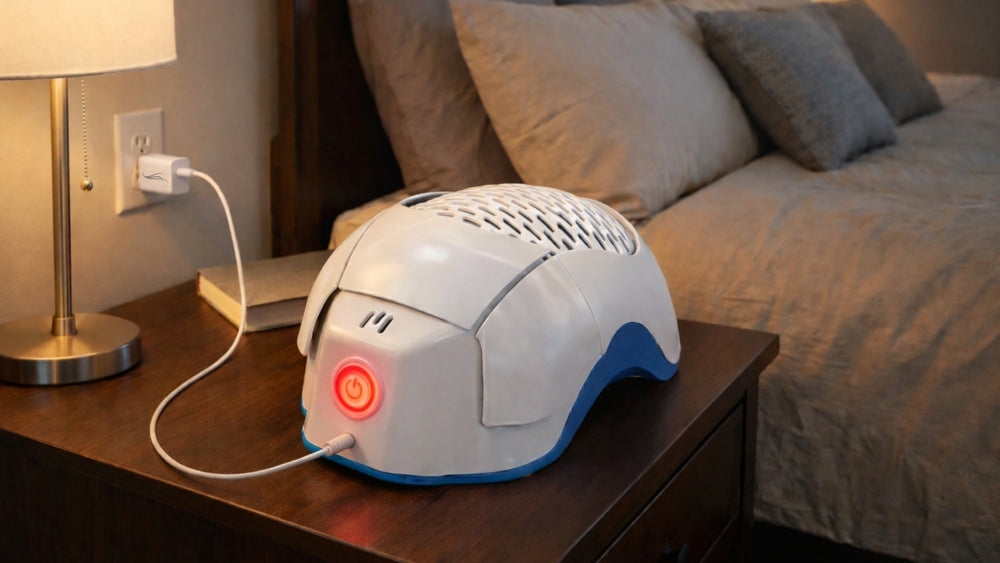
Laser Phototherapy, often called low-level laser therapy or photobiomodulation in research papers, is a non-drug option with supportive evidence for androgenetic alopecia. A 2025 systematic review and meta-analysis included 38 studies and 3,098 participants, 2,930 of whom had androgenetic alopecia. Hair density improved compared with placebo, but the studies varied considerably in device design, dose, schedule, duration, and measured outcomes. Evidence for other forms of alopecia was far thinner. (Perez et al., 2025)
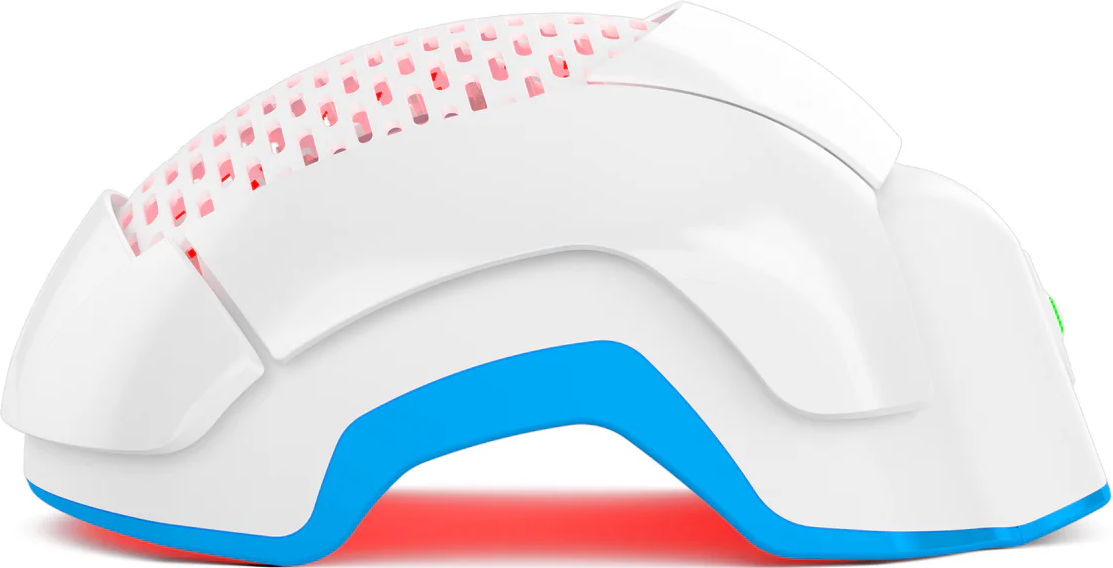
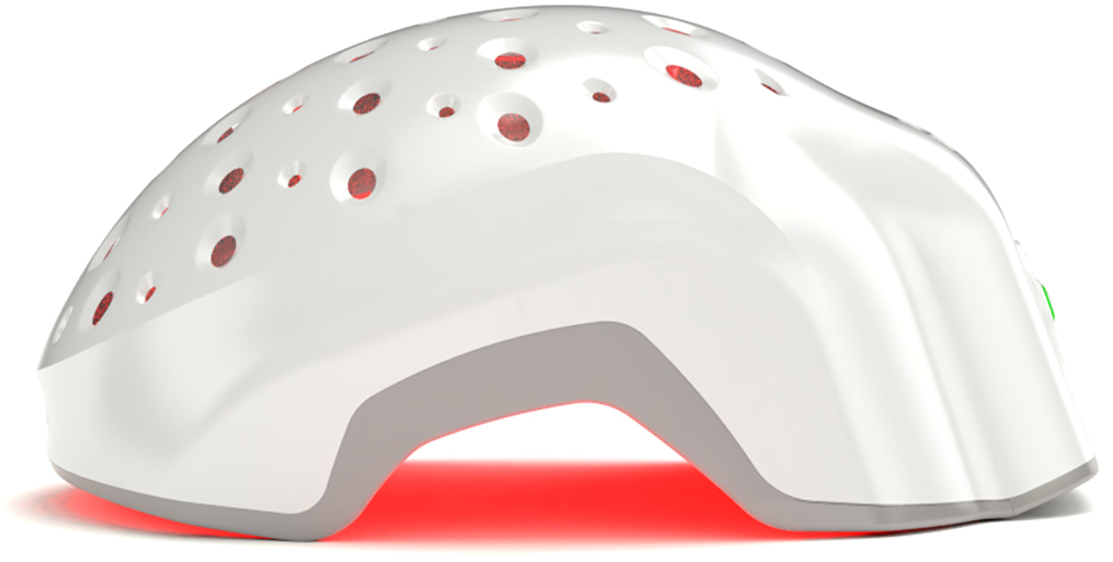
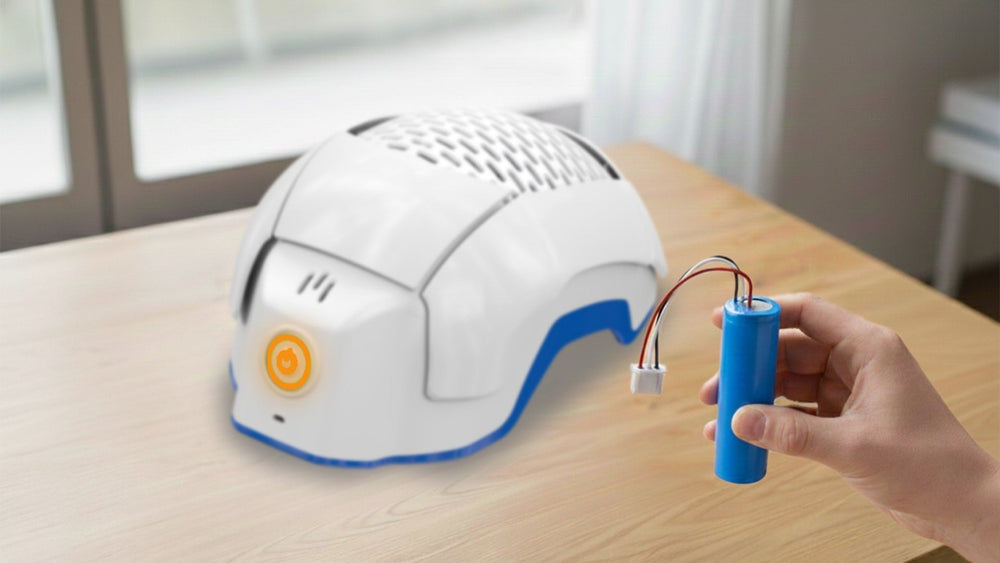
Theradome’s LH40 and LH80 devices have FDA clearance for specified male and female androgenetic alopecia patterns.
2. Can Stress, Illness, Surgery, or Rapid Weight Change Trigger Shedding?
Major physical stressors, and sometimes severe psychological strain, can trigger telogen effluvium. This is a diffuse, non-scarring form of shedding caused when more hairs than usual shift into the resting and release phases of the hair cycle.
Physical triggers have clearer clinical support than the loose claim that any stressful Tuesday can make somebody bald.
What Is Telogen Effluvium?
Most scalp follicles are normally in active growth, called anagen. A smaller proportion rests in telogen.
After a significant physiological disruption, more follicles than usual may leave active growth and move through the cycle towards telogen. The eventual result is widespread shedding rather than one smooth, sharply defined bald patch.
The follicles remain present. That is why uncomplicated acute telogen effluvium is generally reversible once the precipitating problem resolves and no additional condition is interfering.
Generally reversible does not mean instant.
Why Can the Shedding Start Months Later?
The delay is the part that trips people up.
A fever happens in January. The person recovers. March arrives, then April, and suddenly the shower drain appears to be making a personal threat.
The broad sequence looks like this:
- A major trigger occurs.
- More follicles change phase.
- Several quiet weeks pass.
- Increased shedding becomes visible.
- The trigger may already be over.
- New growth can begin before the scalp looks denser.
Telogen shedding often starts about two to three months after the precipitating event, though the interval is not identical for everybody.
The shampoo bought last Tuesday is an easy suspect. The fever from three months ago is less memorable.
Which Events Can Trigger Telogen Effluvium?
Recognised triggers include:
- High fever
- Significant infection
- Major surgery
- Serious injury
- Childbirth
- Marked blood loss
- Rapid weight loss
- Severe calorie or protein restriction
- Some medications
- Thyroid disturbance
- Major emotional strain
The word major is doing real work there. Research on psychological stress is difficult because stress is subjective, retrospective recall is imperfect, and emotional strain often occurs alongside sleep change, illness, altered eating, medication use, or another physical factor. It is reasonable to say severe or sustained stress can contribute. It is not responsible to blame every unexplained shed on cortisol.
Surgery is another place where explanations get too narrow. Post-operative shedding may relate to the overall physiological burden, inflammation, blood loss, reduced intake, the underlying illness, or medication changes. Pinning the whole event on anaesthesia alone is usually an overreach.
How Long Does It Last?
Acute telogen effluvium typically involves shedding for less than six months. Chronic telogen effluvium refers to shedding that persists longer, though terminology and clinical patterns can vary.
Even after the trigger has resolved, hairs already committed to the shedding phase still need to complete that part of the cycle. Then new hairs must grow long enough to improve visible coverage.
So, the shedding may calm before the ponytail feels familiar again. That lag is maddening but biologically ordinary.
Continued loss beyond six months deserves a fresh look. An ongoing trigger, thyroid disease, nutritional problem, medication effect, diffuse alopecia areata, or underlying pattern loss may have been missed.
What Can Be Prevented or Managed?
Some triggers can be reduced. Severe dietary restriction, inadequate recovery nutrition, and unsafe medication changes are reasonable targets.
Others are not preventable in any meaningful sense. Childbirth, necessary surgery, serious infection, and major trauma are not failures of hair care.
Supportive stress management may help sleep, coping, appetite, and general health. It cannot guarantee that follicles will ignore a major physiological insult. Meditation is useful for many people. It is not a remote control for telogen.
When Should “It Is Just Stress” Be Questioned?
Question that explanation when there is:
- A widening part that keeps progressing
- Smooth round patches
- Burning or scalp pain
- Marked scale, crusting, or pustules
- Loss of eyebrows or eyelashes
- Crown thinning with inflammation
- Shedding lasting longer than six months
- No plausible precipitating event
Stress is common. So are incorrect assumptions about stress.
3. Which Hormonal and Endocrine Changes Can Affect Hair?
Childbirth, thyroid disease, polycystic ovary syndrome, menopause-related changes, and shifts in hormonal contraception may be associated with shedding or patterned thinning.
“Hormonal imbalance” by itself is not much of an explanation. The useful question is which hormone-related condition is suspected, what other symptoms are present, and whether appropriate testing supports it.
Why Does Hair Shed After Childbirth?
During pregnancy, hormonal changes can keep more hairs in active growth. After delivery, many of those retained hairs move towards shedding within a similar period. Increased hair fall commonly becomes noticeable about three months after childbirth.
Postpartum shedding is usually diffuse and temporary. The follicles are not generally being destroyed. Still, density can take many months to look restored because short new hairs must gain length before they contribute much coverage.
And those tiny upright hairs around the hairline? Often regrowth, not fresh breakage, though the two can be difficult to separate without examining the strand.
Postpartum shedding should not be waved away indefinitely. Persistent widening of the part, continued worsening, smooth patches, scalp inflammation, heavy bleeding, profound fatigue, palpitations, heat or cold intolerance, or other systemic symptoms may justify assessment for iron deficiency, thyroid disease, androgenetic alopecia, or another condition.
Postpartum thyroiditis is one possible consideration because thyroid inflammation can occur after pregnancy. (American Thyroid Association, n.d.)
Can Thyroid Disease Cause Hair Loss?
Both hypothyroidism and hyperthyroidism can be associated with diffuse hair changes.
Hypothyroidism may occur alongside fatigue, cold sensitivity, constipation, dry skin, weight gain, and dry or brittle hair. Hyperthyroidism can be accompanied by heat intolerance, rapid or irregular heartbeat, tremor, weight loss, anxiety, altered menstrual periods, and hair loss. Those symptoms overlap with many other conditions, which is why a blood test matters.
Hair loss alone cannot diagnose a thyroid disorder.
Nor should thyroid medication be stopped or adjusted because shedding began after treatment. Dose changes need laboratory results and clinical review. The thyroid problem itself, the timing of treatment, and an unrelated hair disorder may all be involved.
High-dose biotin deserves a brief mention here. It does not alter thyroid function, but it can interfere with certain laboratory assays and produce misleading test results. Tell the clinician and laboratory about any biotin-containing supplements before thyroid testing. (American Thyroid Association, 2022)
Can PCOS Contribute to Scalp Thinning?
Polycystic ovary syndrome can be associated with clinical androgen-related signs, including hirsutism, acne, and female pattern hair loss. Other clues may include irregular ovulation or menstrual cycles.
Yet scalp thinning alone does not diagnose PCOS.
The 2023 International Evidence-based Guideline recommends assessing female pattern loss as an important clinical concern while recognising that evidence specific to treatment in PCOS remains limited. The same guideline also stresses appropriate diagnostic criteria and the need to avoid overdiagnosis, particularly in adolescents.
Some women with female pattern hair loss have normal circulating androgen levels. That is another reason not to order a sprawling hormone panel from one scalp symptom alone.
What About Menopause or Hormonal Contraception?
Pattern thinning often becomes more noticeable during and after menopause. Age, genetic susceptibility, cumulative follicular miniaturisation, medical conditions, medication use, and shifting relative hormone activity may all contribute.
It is too tidy to say estrogen falls, androgens take over, hair falls out. Biology usually arrives with more footnotes than that.
Starting, stopping, or changing hormonal contraception may coincide with shedding in some people. Timing, the specific formulation, pregnancy-prevention needs, and other possible triggers should be reviewed with the prescriber. Do not stop contraception solely because hair shedding has appeared.
4. Can Dieting, Rapid Weight Loss, or Nutrient Deficiency Cause Hair Loss?
Severe calorie restriction, inadequate protein, rapid weight loss, bariatric surgery, eating disorders, and genuine nutrient deficiencies can contribute to diffuse shedding.
That does not mean every person with hair loss needs a shelf of supplements. It means nutrition should be assessed in context.
Why Can Rapid Weight Loss Affect the Hair Cycle?
Hair production is biologically active, but it is not essential to immediate survival. During a substantial energy or protein shortfall, resources may be redirected away from growth.
Rapid weight loss may also occur alongside reduced protein intake, lower micronutrient intake, illness, medication use, or the physiological burden of surgery. After bariatric surgery, altered absorption can add another layer.
A 2024 retrospective study of patients with weight-loss-associated telogen effluvium found a mean loss of about 15% of body weight and an average rate of roughly 3.5 kilograms per month. Useful context, yes. But it was a single-center retrospective study, not a universal threshold at which every scalp begins shedding. (Kang et al., 2024)
Someone may shed after less. Someone else may not shed after more.
The practical message is simpler: severe restriction and very rapid loss increase concern, particularly when protein or overall intake is inadequate.
When Are Iron and Ferritin Relevant?
Iron deficiency and iron-deficiency anemia may contribute to diffuse shedding in some patients. Risk becomes more plausible with heavy menstrual bleeding, pregnancy, a restrictive diet, gastrointestinal disease, blood loss, or symptoms such as fatigue and reduced exercise tolerance.
Testing may include a complete blood count, ferritin, and other iron studies.
Ferritin needs nuance. It reflects iron storage, but inflammation can raise it, and there is no universally accepted ferritin target that guarantees hair regrowth. A low result may be relevant without being the sole reason for thinning.
Untested high-dose iron is not a harmless trial. It can cause gastrointestinal effects, interact with medication, and become toxic in excess.
Test where indicated. Treat what is actually low.
What About Zinc, Vitamin D, B12, and Folate?
Deficiency in zinc, vitamin B12, folate, or vitamin D may be relevant in selected patients, depending on diet, symptoms, health conditions, medication use, and laboratory results.
The evidence is not equally strong for every nutrient or every alopecia type.
Lower vitamin D levels have been associated with several hair-loss conditions in observational research. An association does not prove that low vitamin D caused the loss, nor does it show that supplementation will regrow hair in somebody whose level is already adequate.
The same logic applies more broadly. Correcting a confirmed deficiency is sound medical care. Handing the same supplement list to everybody with thinning is not.
Zinc can become harmful in excess and may interfere with copper absorption. Selenium and vitamin A can also contribute to hair loss when too much is consumed. Combining a multivitamin, a hair formula, a skin supplement, and separate minerals can raise total doses without the buyer noticing.
The labels may look innocent. Arithmetic remains arithmetic.
Does Biotin Prevent Hair Loss?
Routine biotin supplementation is not supported as a hair-growth treatment for people without a deficiency.
True biotin deficiency is uncommon among people eating a varied diet. High-dose biotin can also interfere with laboratory tests, including certain cardiac and thyroid assays, sometimes producing dangerously misleading results.
Biotin is not evil. It is simply oversold.
What Is the Safer Prevention Approach?
A more defensible plan looks like this:
- Avoid severe calorie restriction
- Eat enough total energy and protein
- Obtain appropriate follow-up after bariatric surgery
- Investigate symptoms and genuine deficiency risks
- Correct confirmed deficiencies at suitable doses
- Check for overlapping ingredients across supplements
- Seek help for restrictive eating or a suspected eating disorder
A vegan or vegetarian diet can support healthy hair when it is adequately planned. The label attached to the diet is not the diagnosis. Total intake and nutrient sufficiency are what matter.
5. Can Medications and Medical Treatments Cause Hair Loss?
Some medicines and medical treatments can cause diffuse shedding or more rapid loss of growing hairs. The timing, mechanism, and quality of evidence differ considerably between drugs.
Do not stop a prescribed medication without speaking to the prescriber.
That instruction belongs near the top because abrupt withdrawal may be far more dangerous than the hair change.
What Is the Difference Between Telogen and Anagen Effluvium?
Medication-related telogen effluvium is usually delayed. More hairs enter the resting phase, then diffuse shedding appears weeks or months later.
Anagen effluvium occurs when a treatment disrupts hairs during active growth. Cytotoxic chemotherapy is the clearest example. Loss may begin much sooner and can be extensive because rapidly dividing matrix cells are affected.
Not every medication interferes with follicular mitosis. That blanket mechanism sounds scientific and is still wrong.
Some medicines are linked to other patterns, including inflammatory or autoimmune loss. And many drugs repeatedly blamed online have only weak evidence behind them.
Which Medication Groups May Be Involved?
Reported associations include:
- Retinoids
- Selected anticoagulants
- Some anticonvulsants
- Certain psychotropic medicines
- Some hormonal treatments
- Selected immune-modifying therapies
- Cytotoxic cancer treatments
The individual drug matters more than the category label. So do the dose, timing, underlying illness, surgery, nutritional status, and other medicines taken at the same time.
A 2023 review of commonly prescribed medications found strong evidence for alopecia with only a limited number of the drugs assessed. Many familiar online lists lean heavily on case reports, post-marketing reports, or temporal association.
For a more focused list and its limitations, see Medications Associated With Hair Loss.
What About Chemotherapy, Radiation, or Weight-Loss Medicines?
Chemotherapy-related anagen effluvium varies according to the drug, dose, schedule, and individual susceptibility. Not every regimen causes complete scalp loss. Regrowth commonly begins after treatment, but colour, curl, texture, or density may change.
Scalp cooling can reduce chemotherapy-induced alopecia for some patients and regimens. It is not suitable in every cancer setting, and success differs by drug and device. The oncology team should guide that decision.
Radiation treatment may cause hair loss within the treated area. Whether it regrows depends partly on dose and follicular injury.
Hair shedding has also been reported during treatment with GLP-1 receptor agonists used for diabetes and weight management. Current research has not settled whether the medicine exerts a direct follicular effect in some patients, whether rapid weight loss and reduced intake drive most cases, or whether several mechanisms contribute. Recent reviews describe the evidence as emerging and heterogeneous.
So, “the injection killed my follicles” is too certain.
So is “the drug can never be involved.”
What Should You Do?
Write down:
- The medication name
- When it was started
- Any dose changes
- When shedding began
- Other medicines and supplements
- Recent illness or surgery
- Weight and appetite changes
- The pattern of hair loss
Then contact the prescriber. A dermatologist can help assess whether the timing and pattern support a medication effect or point elsewhere.
Do not change five things at once. That turns the investigation into soup.
6. Can Hairstyles, Chemicals, and Heat Cause Hair Loss or Breakage?
Repeated tension can cause traction alopecia. Bleach, relaxers, excessive heat, and rough handling more commonly weaken the hair shaft and increase breakage.
Those processes can overlap. Longstanding traction may eventually scar follicles, making the loss permanent.
What Is Traction Alopecia?
Traction alopecia develops when hair is repeatedly pulled with enough force or for long enough to injure affected follicles.
Potential contributors include:
- Tight braids or cornrows
- Sleek ponytails and buns
- Heavy extensions
- Repeated weave attachment
- Tight loc maintenance
- Excessive loc weight
- Rollers applied under sustained tension
- Tight wig clips, bands, glue, or foundations beneath wigs
The hairstyle’s name is not the deciding factor. Tension, weight, attachment method, duration, repetition, chemical weakening, and symptoms all matter.
Locs do not automatically cause hair loss. Braids are not inherently damaging. Extensions are not born guilty.
A style becomes risky when it repeatedly pulls, hurts, inflames the scalp, or places too much weight on vulnerable areas.
What Are the Early Warning Signs?
Watch for:
- Pain during or after styling
- A styling-related headache
- Tenderness
- Redness
- Small bumps or pustules
- Crusting
- Broken hairs around the hairline
- Thinning temples
- Recession at the edges
- Loss around attachment points
Pain is not proof that a style was installed properly.
The AAD advises asking for a style to be loosened if it hurts or causes a headache. Early traction may improve after the pulling stops. Continued traction can lead to scarring and permanent loss.
See What Is Traction Alopecia? for a closer look at signs around the hairline.
How Should Textured Hair and Protective Styling Be Discussed?
With accuracy and respect.
Braids, locs, wigs, weaves, and extensions are culturally significant and are not inherently harmful. Risk comes from excessive force, prolonged wear, heavy additions, repeated placement, chemical weakening, and ignored warning symptoms.
A protective style should reduce manipulation without replacing it with sustained traction.
Protective is a goal, not a permission slip for pain.
Crown thinning in a Black woman should not automatically be blamed on styling. Central centrifugal cicatricial alopecia, or CCCA, commonly begins near the crown and disproportionately affects Black women. Symptoms may include burning, itching, tenderness, scale, or pustules, though some people have little discomfort. It is a scarring condition that needs early medical treatment.
Traction and CCCA can coexist. That is another reason “it must be the braids” is not a sufficient diagnosis.
Do Bleach, Relaxers, and Heat Damage Follicles?
Chemical processing and high heat more often damage the shaft than the follicle.
Bleaching can reduce shaft strength. Relaxers alter chemical bonds within the fibre, and overlapping relaxer onto previously processed hair raises breakage risk. Repeated passes with very hot tools can worsen dryness and structural damage.
Severe chemical or thermal burns are different. They can injure the scalp and, in serious cases, scar follicles.
The AAD recommends using flat irons on dry hair at low or medium heat, limiting frequency, keeping curling-iron contact brief, and spacing chemical services.
Heat damage does not create androgenetic alopecia. It can, however, leave enough short broken hair that the scalp looks considerably less dense.
How Can This Type of Damage Be Prevented?
- Loosen any style that causes pain
- Reduce the weight of extensions or long locs
- Change attachment points rather than stressing one area repeatedly
- Leave the temples and edges under less tension
- Reduce high-heat frequency
- Use lower temperatures and fewer passes
- Avoid overlapping chemicals onto already processed hair
- Detangle gently and in manageable sections
- Seek assessment if edge or crown loss persists
Early mechanical damage is one of the article’s more genuinely preventable categories.
That is good news. Not glamorous news, perhaps. Still useful.
When Could Hair Loss Be Something Other Than These Six Triggers?
Patchy, painful, inflamed, scaly, or scarring hair loss may point to another condition. It should not be squeezed into a stress, vitamin, or styling explanation merely because those answers feel familiar.
Alopecia Areata
Alopecia areata is an autoimmune, non-scarring condition. It often causes sudden, smooth, round or oval patches, though diffuse forms exist. Eyebrows, eyelashes, beard hair, body hair, and nails may also be affected.
A smooth patch is not the usual pattern of telogen effluvium.
Diffuse alopecia areata can be harder to distinguish. Trichoscopy and, occasionally, biopsy may be needed when the clinical pattern is unclear.
CCCA and Frontal Fibrosing Alopecia
CCCA is a scarring alopecia that commonly starts near the crown and spreads outwards. It occurs most often in women of African ancestry, though it is not limited to that group.
Because inflammation can destroy follicles, treatment focuses first on controlling disease activity and preventing further permanent loss. Regrowth is less likely where scar tissue has replaced follicles.
Frontal fibrosing alopecia often causes a band of recession along the front and sides of the scalp. Eyebrow loss may appear before the receding hairline. Itching or pain can occur. Early treatment may slow or stop progression, but follicles that have scarred cannot produce hair again.
Tinea Capitis and Other Scalp Conditions
Tinea capitis is a fungal infection of the scalp. It is more common in children but can affect adults.
Clues may include scale, itching, broken hairs, black dots, inflammation, tender swelling, or swollen lymph nodes. Scalp ringworm generally requires medical treatment, often an oral antifungal, because ordinary shampoos do not adequately treat infection within the hair structure. (Centers for Disease Control and Prevention, 2026)
Scalp psoriasis and seborrheic dermatitis can also produce inflammation, scale, itching, and secondary breakage or shedding. Ordinary dandruff does not usually destroy follicles. Persistent focal loss should prompt a search for another diagnosis.
Hair Pulling and Other Causes
Trichotillomania can produce irregular areas containing hairs of several lengths. It should be handled without ridicule or accusation. Dermatologic assessment and behavioural or mental-health care may both be useful.
Lupus, other inflammatory disease, less common infections, toxic exposure, and additional scalp disorders can also cause hair loss. This is one reason a photograph alone rarely settles the diagnosis.
Which Signs Need Prompt Assessment?
Arrange a timely medical assessment for:
- Rapidly spreading loss
- Smooth bald patches
- Scalp pain or burning
- Pus, drainage, crusting, or swelling
- Marked redness or scale
- Shiny scalp skin without visible follicular openings
- Eyebrow or eyelash loss
- Crown loss with tenderness or inflammation
- A child with scale and broken hairs
- Hair loss accompanied by significant systemic symptoms
- Severe emotional distress
Some inflammatory and infectious conditions are time-sensitive. Waiting can mean losing follicles that earlier treatment might have preserved.
How Does a Dermatologist Identify the Trigger?
Diagnosis usually begins with the pattern, timing, medical history, scalp examination, and targeted testing.
Not every person needs an enormous laboratory panel. Nor should everyone be sent home with “probably stress” after a three-minute glance.
What Will the Clinician Ask?
Expect questions about:
- When the change began
- Whether it was sudden or gradual
- Where the loss is occurring
- Full-length shedding versus broken pieces
- Fever, illness, surgery, childbirth, or blood loss
- Weight and dietary changes
- Menstrual and reproductive history
- Thyroid or androgen-related symptoms
- Medication and supplement changes
- Family history
- Styling and chemical processing
- Pain, itching, burning, scale, or bumps
A simple timeline often proves more useful than a bag containing every strand shed since Tuesday.
Monthly photographs under similar lighting can also help. Photograph the front, temples, part, crown, and hairline. Daily images usually magnify noise rather than progress.
What Can Scalp Examination and Trichoscopy Show?
Trichoscopy is magnified examination of the hair and scalp using a dermatoscope or specialised imaging device.
It can reveal:
- Variation in shaft diameter
- Miniaturized or vellus-like hairs
- Broken hairs
- Black or yellow dots
- Perifollicular scale
- Inflammation
- Features associated with alopecia areata
- Loss of follicular openings in scarring disease
A 2024 systematic review found hair-diameter variability and vellus hairs among the most frequently reported trichoscopic features of androgenetic alopecia. Trichoscopy supports diagnosis but must be interpreted alongside the clinical pattern and history.
Which Blood Tests May Be Considered?
Depending on the history and examination, a clinician may consider:
- Complete blood count
- Ferritin and other iron studies
- Thyroid-stimulating hormone and thyroid hormones
- Vitamin B12 or folate
- Vitamin D
- Zinc
- Selected androgen or endocrine tests
Testing should answer a clinical question.
A person with heavy menstrual bleeding and diffuse shedding raises different concerns from somebody with temple recession, a strong family history, and no systemic symptoms. Ordering every available test can produce incidental abnormalities, added cost, and a fresh pile of supplements without clarifying the cause.
When Is a Scalp Biopsy Needed?
A small scalp biopsy may be recommended when scarring alopecia is suspected or when the diagnosis remains uncertain after history, examination, and trichoscopy.
The sample can show follicular miniaturisation, inflammation, fibrosis, and the distribution of follicles within the tissue. Trichoscopy may help the dermatologist select an active area for biopsy rather than a fully scarred centre.
Which Treatments Fit Each Hair-Loss Cause?
No single treatment fits all six categories.
The first useful question is not, “Which product should I buy?” It is, “Which process is affecting the hair?”
|
Likely diagnosis |
First priority |
Treatments that may be considered |
Do not assume |
|
Androgenetic alopecia |
Confirm pattern loss |
LPT, topical minoxidil, selected prescriptions, other dermatologist-guided options |
Stress relief or vitamins alone will reverse it |
|
Acute telogen effluvium |
Find and address the trigger |
Time, adequate nutrition, treatment of the underlying problem |
Every case needs a growth medication |
|
Thyroid or endocrine-related loss |
Diagnose and treat the condition |
Diagnosis-specific medical care |
A generic hormone supplement is appropriate |
|
Confirmed nutritional deficiency |
Correct the deficiency |
Clinician-guided replacement |
Larger doses mean faster growth |
|
Medication-related loss |
Review risk and timing with the prescriber |
Adjustment or substitution when medically suitable |
Stopping independently is safe |
|
Traction alopecia |
Remove ongoing tension |
Anti-inflammatory care and selected regrowth support in early disease |
Recovery can occur while pulling continues |
|
Alopecia areata |
Dermatology assessment |
Corticosteroids, other immune-directed care, JAK inhibitors for selected severe cases |
It is ordinary stress shedding |
|
Scarring alopecia |
Control inflammation early |
Disease-specific medical treatment |
Destroyed follicles can always regrow |
|
Tinea capitis |
Treat the infection |
Oral antifungal medicine |
Shampoo alone is enough |
Alopecia areata treatment varies with age, severity, duration, and affected sites. Corticosteroids remain commonly used, while JAK inhibitors are available for selected patients with severe disease and require careful safety monitoring.
Where Does Theradome Fit?
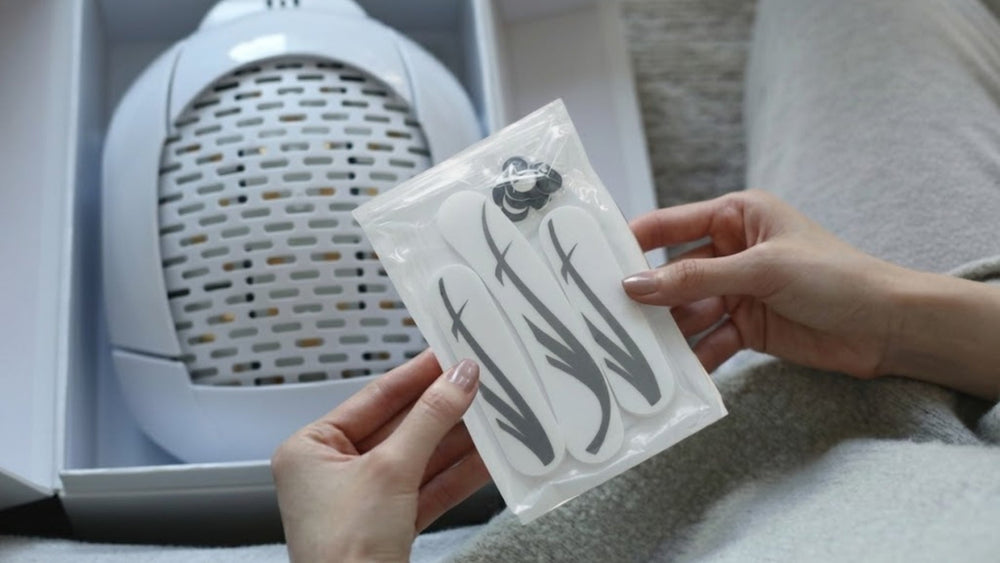
Theradome fits within the treatment discussion when androgenetic alopecia is present.
Independent systematic reviews support low-level laser and light treatment as a promising option for pattern hair loss. The research base includes randomized sham-controlled trials, but device designs, energy delivery, treatment schedules, follow-up periods, and outcome methods vary. That heterogeneity makes broad claims about every device or every patient inappropriate.
Theradome devices are FDA-cleared. Their clearances concern specified male and female androgenetic alopecia patterns. LPT does not correct iron deficiency, normalize thyroid function, stop a medication reaction, clear fungal infection, or remove traction.
Response varies. Change is gradual. Diagnosis still comes first.
Read more about Theradome LPT for androgenetic alopecia.
What About Newer Treatments?
Low-dose oral minoxidil, platelet-rich plasma, and microneedling are increasingly used for selected hair-loss conditions, but each carries different evidence, safety, protocol, and regulatory considerations.
Exosome treatments and follicle-regeneration approaches remain investigational. Human data, manufacturing standards, dose consistency, and long-term safety remain insufficient for the confidence often seen in promotional claims.
Interesting? Certainly.
Settled? No.
What Can You Do Today Without Guessing?
1. Photograph the Pattern
Take photographs once a month under similar lighting.
Include the frontal hairline, temples, central part, crown, and any focal area. Keep the camera angle and hair positioning as consistent as practical.
Daily photographs invite normal lighting and styling differences to masquerade as medical change.
2. Build a Three-Month Timeline
Write down any:
- Fever or significant infection
- Surgery
- Childbirth
- Major blood loss
- Medication or dose change
- Rapid weight change
- Dietary restriction
- Severe emotional strain
- New traction-heavy style
- Chemical or heat-related injury
Go back farther than feels intuitive. Telogen effluvium often works on a delayed clock.
3. Remove Obvious Mechanical Harm
Loosen painful styles. Reduce extension weight. Stop placing attachments on the same fragile areas. Pause overlapping chemicals. Turn down the heat.
A style that hurts today does not need six more weeks to prove its point.
4. Do Not Start or Stop Everything at Once
Avoid:
- Stopping prescribed medication independently
- Starting several supplements together
- Assuming a recent shampoo caused delayed shedding
- Applying multiple new scalp products to irritated skin
- Beginning several treatments before clarifying the diagnosis
Changing everything at once makes cause and effect much harder to read.
5. Know When to Book an Appointment
Consider seeing a board-certified dermatologist when:
- Shedding persists or keeps worsening
- The part or crown is gradually widening
- No plausible trigger is clear
- Smooth patches appear
- The scalp hurts, burns, scales, or develops bumps
- Eyebrows or eyelashes are affected
- The skin looks shiny or scarred
- Hair loss is taking a serious emotional toll
Hair loss can feel intensely personal. That distress is valid.
Still, the most useful next move is often quieter than the fear: name the pattern, trace the timing, and let the diagnosis lead.
Conclusion
The same visible thinning can come from temporary shedding, gradual miniaturisation, shaft breakage, inflammation, or several processes at once.
Some hair-loss triggers are partly preventable. Others are not. Genetic susceptibility, childbirth, necessary medical treatment, and autoimmune disease are not personal failures.
Notice the pattern. Trace the previous few months. Remove painful tension and severe restriction. Do not stop medication or begin a supplement pile without proper guidance. And seek care promptly when loss is patchy, painful, inflamed, scarring, or steadily worsening.
Hair loss can make every strand feel urgent. The most useful next move is quieter: identify the process, confirm the cause, and use treatment that belongs to that diagnosis.