







Yes, diabetes can cause hair loss, and you're not imagining it. Many people don't connect the two, but high blood sugar, poor circulation, and hormonal imbalances can quietly disrupt your hair growth cycle, leading to excessive shedding or frustratingly slow regrowth.
Here's what's happening beneath the surface: because of insulin resistance, your blood sugar levels are not managed, and the uncontrolled glucose levels damage the tiny blood vessels that feed your hair follicles. Without enough oxygen and nutrients, follicles weaken and push more strands into the resting phase early, a condition called telogen effluvium, which is why you may notice more hair falling out on your pillow or in the shower drain.
Diabetes can also raise your risk for related conditions like thyroid disorders and alopecia areata, which compound the hair loss further. But here's the reassuring part: by stabilizing blood sugar, improving scalp health, and addressing underlying imbalances, you can support healthier hair regrowth and reduce further thinning over time.
Let’s further take a look at the relationship between diabetes and hair loss and how laser hair therapy can help if you’re one of the millions of individuals diagnosed with diabetes every year.
How Does Diabetes Affect Your Hair?
Diabetes doesn't cause hair loss in just one way; it works through several interconnected pathways. Here's a breakdown of exactly what's going on inside your body:
1. Poor Blood Flow to the Scalp
High blood sugar gradually damages your blood vessels, including the tiny ones that supply your scalp. When hair follicles don't get enough oxygen and nutrients, they weaken and eventually stop producing new hair altogether.
2. Hormonal Imbalances and Insulin Resistance
In Type 2 diabetes, your body overproduces insulin to compensate for insulin resistance. This triggers a surge in androgens (male hormones), which shrink hair follicles over time, leading to pattern hair thinning in both men and women. Studies have also shown that individuals with insulin resistance are likely to have patterned hair loss.
3. Disrupted Hair Growth Cycle
Even low insulin levels can be problematic. Without adequate insulin, hair follicles skip the active growth phase and jump straight into the resting phase too early, causing noticeable thinning. So, you might also experience hair loss if you're a Type 1 diabetic.
4. Physical and Emotional Stress
Managing diabetes is physically and emotionally demanding. Both the stress of the condition and sudden blood sugar spikes can trigger telogen effluvium, a temporary but distressing form of stress-related hair loss where large numbers of follicles shed at once.
5. Autoimmune Reactions
People with Type 1 diabetes have an overactive immune system that can mistakenly attack healthy hair follicles, causing alopecia areata. You're also more prone to autoimmune thyroiditis, which further disrupts healthy hair growth.
6. Nutritional Deficiencies
Diabetes-related complications like kidney disease, poor gut absorption, or certain medications can deplete key hair-supporting nutrients, particularly zinc, biotin, and iron, all essential for strong, healthy hair follicle function.
What Are the Signs of Diabetes Hair Loss?
The signs of diabetes hair loss can be difficult to identify since there are hundreds of possible reasons for hair loss. However, the following signs and symptoms might help you recognize if excessive shedding is being caused by diabetes:
1. Excessive hair falling out:
When diabetes causes problems with blood sugar levels, it can affect your whole body, even your hair. You might notice more hair strands than usual falling out when you brush, wash, or run your fingers through your hair. It isn't just losing a few strands; you may find large clumps of hair on your pillow, in the shower drain, or on your clothes. The sudden increase in hair loss can be alarming and is often one of the first signs of diabetic hair loss.
2. Overall hair thinning:
If your hair feels thinner all over the scalp, it could be linked to diabetes. High blood sugar can weaken hair growth and make hair look less full. It’s a subtle change but worth paying attention to.
3. Patchy bald spots:
Noticing small bald spots on your scalp can be a sign of diabetes hair loss. It happens when blood flow to the hair follicles is reduced, causing hair to fall out in patches. If you see these bald spots, talking to your doctor is a good idea.
4. Full body hair loss:
People with diabetes may experience hair loss not just on their heads but all over their bodies. Hair fall can occur from the arms, legs, chest, and even eyebrows. The widespread hair loss happens because diabetes affects hormone levels and blood flow throughout the entire body, not just in one area. When blood sugar levels remain high, it can impact hair follicles everywhere, leading to noticeable thinning or loss of body hair in multiple areas.
5. Dry, brittle texture:
People with diabetes often notice their hair becoming dry, rough, and brittle, making it more likely to break and split. If your hair feels rough or looks dull instead of shiny, it may be a sign that diabetes is affecting the hair.
6. Slow regrowth:
Slow regrowth is a sign of hair loss that can happen with diabetes. If you notice that your hair takes a long time to grow back after it falls out, this could be linked to the condition. Diabetes can disrupt the normal hair growth cycle, making it harder for hair to regrow quickly. Even after getting blood sugar under control, any new hair growth comes in slowly and looks thin at first.
Will Hair Loss from Diabetes Grow Back?
Yes, diabetes-related hair loss can usually grow back. Maintaining proper blood sugar levels can reduce hair shedding and promote faster hair regrowth in previously affected areas. However, this is not the same in all cases. Some may experience better improvements faster, while others may require more time for significant results. The outcome depends on various factors like diabetic medications, dietary system, and lifestyle that you are having.
One study found that hair started growing back after treating insulin resistance with tirzepatide. Another case report found that insulin therapy helped reverse hair loss.
How to Stop Hair Loss from Diabetes?
Diabetes induced hair loss treatment and management involve a combination of strategies that aims at controlling high blood sugar levels, promoting overall health, and stimulate hair growth. Here are some tips to stop diabetic hair loss effectively and regrow healthy hair:
1. Blood Sugar Control and Lifestyle Changes
- Manage blood sugar levels: Timely management of sugar levels is necessary. You must follow proper recommendations for insulin or medication and monitor blood glucose/sugar regularly to maintain optimal levels.
- Adopt a Balanced Diet: Adopt a balanced diet rich in whole grains, lean proteins, fruits, vegetables, and healthy fats. Limit your intake of refined sugars and carbohydrates and reduce serving sizes.
- Engage in Regular Physical Activity: Regular exercise can lower blood sugar levels by making the body more sensitive to insulin, which helps cells absorb sugar for energy.
- Manage Stress: Practice stress-reduction techniques such as meditation, deep breathing, yoga, or mindfulness to alleviate stress, which can impact hair health.
- Maintain Scalp Health: Keep your scalp clean and well-moisturized. Use mild, sulfate-free shampoos and conditioners.
- Consume Nutrient-Rich Foods: Consume food rich in nutrients that promote hair health, such as zinc, biotin, vitamins A and C, and omega-3 fatty acids.
2. Hair Growth Medications
There are certain FDA-approved medications that can help treat diabetes related hair loss and help hair regrow. These drugs are prescribed by dermatologists or hair care specialists to treat hair loss.
- Minoxidil: Minoxidil, an over-the-counter medication applied directly to the scalp, can stimulate hair growth. If alopecia areata is causing hair loss, steroid medications can be used to reduce inflammation.
- Finasteride: Doctors may recommend prescription medications like finasteride for some patients, particularly men experiencing pattern baldness alongside diabetes.
3. Advanced Hair Restoration Treatments
If you want direct solutions for hair loss, you also have several non-surgical hair growth treatment options that help improve hair density.
- Low-Level Light Therapy (LLLT): This FDA-cleared treatment promotes hair growth by improving blood circulation and stimulating hair follicles.
- Scalp Micropigmentation: It is a non-invasive cosmetic procedure that mimics the appearance of natural hair follicles, creating an illusion of a fuller look.
- PRP Therapy: Platelet-rich plasma (PRP) therapy involves drawing your blood, spinning it to concentrate the platelets, and injecting that plasma into the scalp. Platelets are rich in growth factors, which can stimulate follicle activity and promote hair growth.
Can Diabetic Medications Cause Hair Loss?
Yes, some diabetic medications like Metformin, SGLT2 inhibitors, and Mounjaro may contribute to hair loss, though this side effect is not common for all drugs. For example, long-term use of metformin, a widely prescribed medication for type 2 diabetes, can reduce vitamin B12 absorption in the body. Low B12 levels are linked to hair thinning or shedding. Other medications, like certain blood pressure or cholesterol-lowering drugs prescribed alongside diabetes treatments, may also list hair loss as a possible side effect.
If you notice hair thinning while taking diabetes medications, talk to your doctor. They may check for nutrient deficiencies (like B12) and recommend supplements or adjust your treatment plan. In many cases, managing blood sugar levels effectively can help reverse diabetic hair loss over time.
Protect Your Health and Your Hair
Diabetes can indeed cause hair loss due to various factors like poor blood flow, hormonal changes, and a weakened immune system. If you think you might have diabetes and are experiencing symptoms such as hair loss, bruises, and wounds due to poor circulation, book an appointment with your physician immediately. Diabetes, if left untreated, can cause severe, irreparable damage to your body, and we’re not just talking about your hair. If not addressed properly, diabetes can cause nerve damage as well as damage to your heart, eyes, kidneys, and blood vessels.
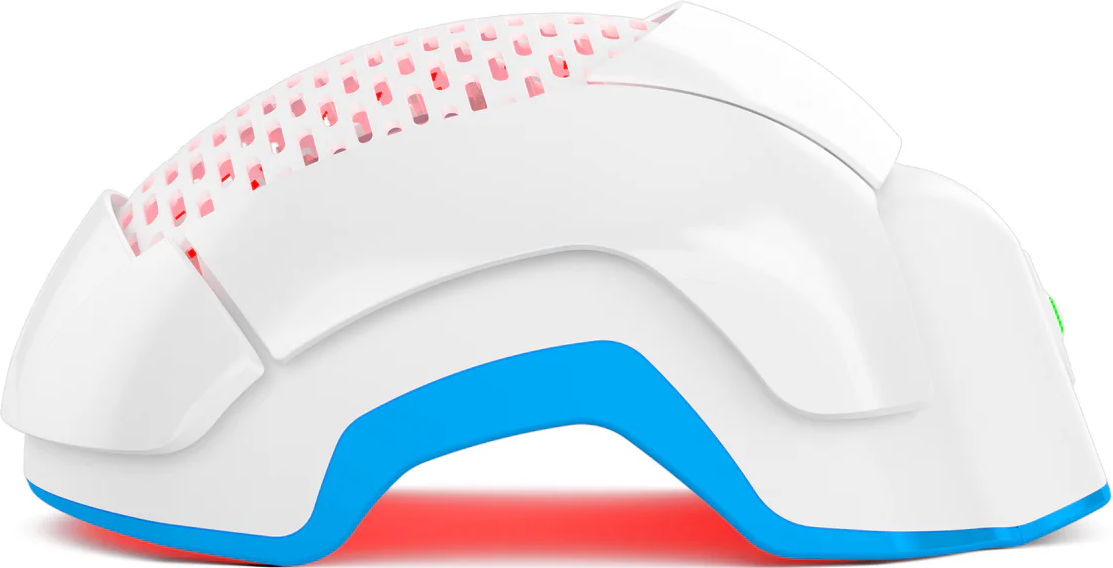
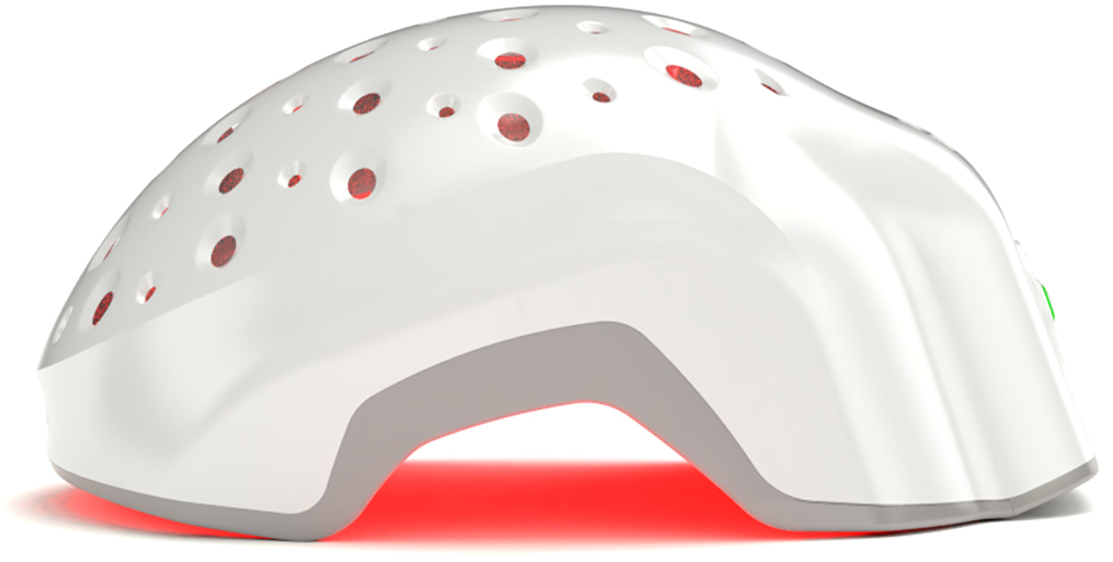
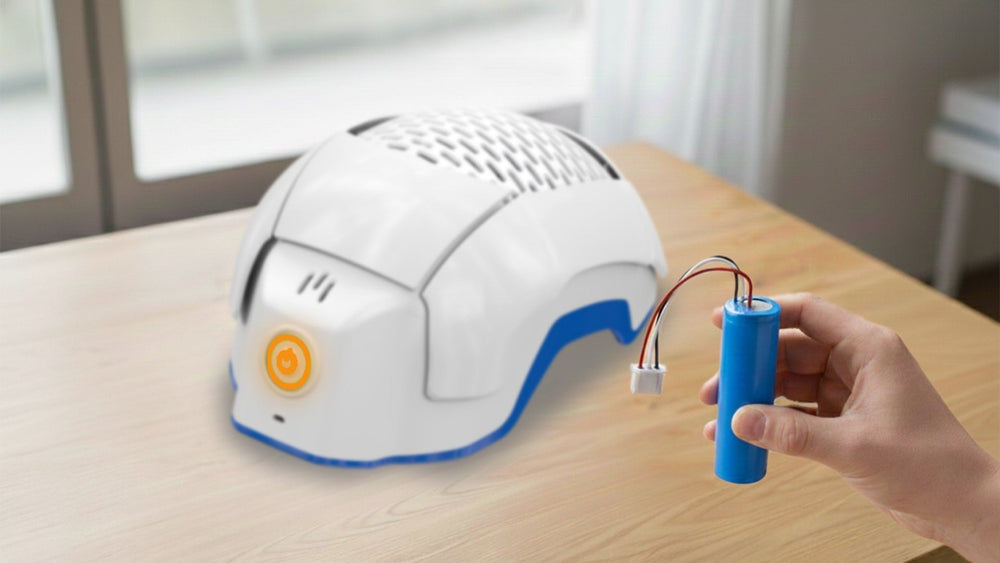
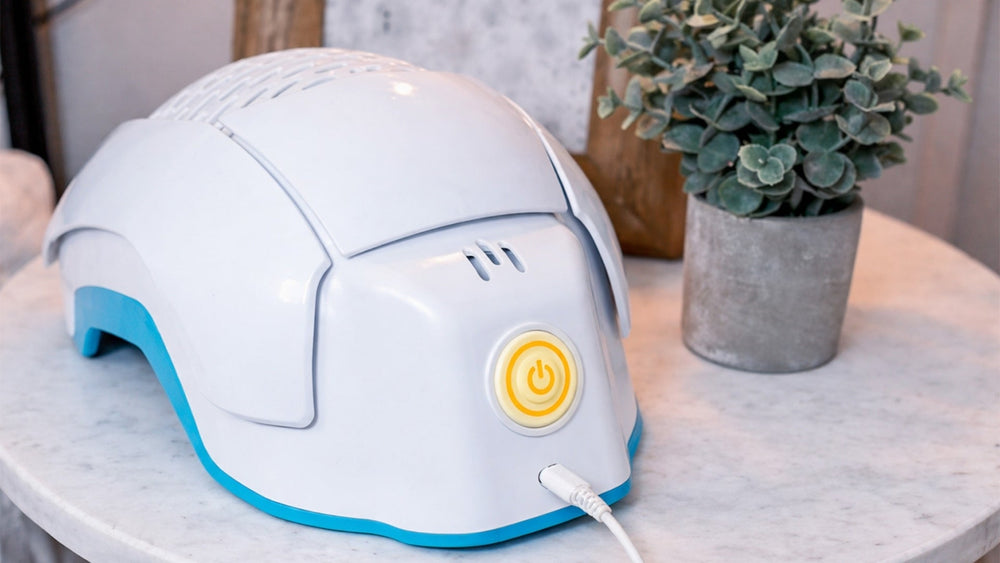
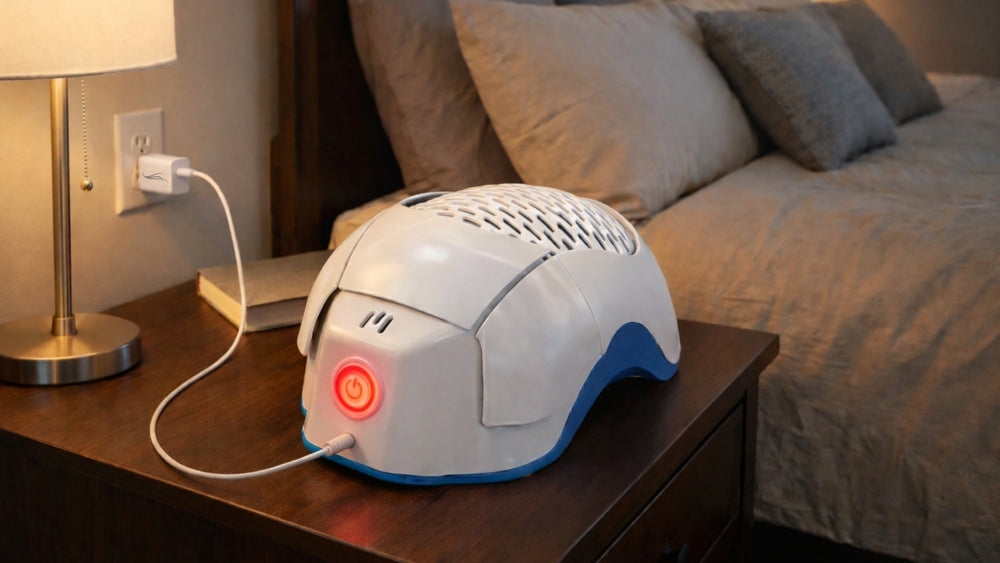
First, consult your doctor and decide on a treatment course. While there are various treatments available, managing blood glucose levels and maintaining a healthy lifestyle are crucial steps. Once you’ve addressed the root of the problem, you can focus on regrowing your hair in the comfort of your home with the FDA-cleared Theradome Hair Growth Helmet. For those seeking a safe and effective solution, the Theradome Helmet stands out as the best option for treating diabetic hair loss, offering a non-invasive way to promote hair growth with no side effects.
Your path to luscious, fuller hair begins with Theradome's laser helmet. Act decisively and grab the opportunity for hair rejuvenation. Don't wait; seize the chance for a better tomorrow!