





Hair drifting down the shower drain can feel like a betrayal—especially when your daily routine hasn’t changed much, except maybe… that little orange pill. If you’ve recently started taking Adderall for ADHD or narcolepsy and noticed extra shedding, the question practically writes itself in your mind: Does Adderall cause hair loss?
The short answer is complicated. Science doesn’t hand out black‑and‑white answers for this one, but growing reports and some pharmacological logic suggest a connection between adderall and hair loss could exist. Before we jump into the specifics (and we will dig in—mechanisms, studies, real management strategies), it’s worth framing who this conversation is really for.
Hair loss is rarely caused by one thing alone. Genes, hormones, stress, nutrition, even seasonal changes—all can play a role. Adding a stimulant like Adderall into the mix is where the story starts to get layered and a little messy. Let’s peel it apart.
What Is Adderall?
Adderall is a central nervous system stimulant… basically a mix of two types of amphetamines: dextroamphetamine and amphetamine. It’s most commonly prescribed for attention‑deficit hyperactivity disorder (ADHD) and, less frequently, narcolepsy.
Mechanistically, Adderall ramps up the activity of certain neurotransmitters—mainly dopamine and norepinephrine. This enhanced signaling boosts focus, alertness, and impulse control. Great for productivity, yes, but the ripple effects in the body go far beyond the brain.
Here’s what people sometimes forget: stimulants can trigger sympathetic nervous system activation… that fight‑or‑flight vibe. Heart rate rises. Blood pressure nudges up. Peripheral blood flow can shift slightly. None of that screams “hair fallout,” right? Well… maybe not directly. But hair follicles are surprisingly sensitive micro‑organs. Any fluctuation in blood flow, hormone levels, or stress mediators can influence their growth cycles.
Common Side Effects of Adderall
Some common side effects of adderall are:
- Insomnia/Sleeping disorder
- Loss of appetite
- Weight loss
- Increased heart rate
- Anxiety and mood swings
Can Adderall Cause Hair Loss or Thinning?
Anecdotally, yes. Plenty of users on ADHD forums or patient reports mention sudden hair shedding after starting or increasing Adderall. But anecdote alone doesn’t cut it. What do we see in the scientific literature?
First, there’s no large randomized trial that lists hair loss as a primary side effect. But several case reports and post‑marketing surveillance data note alopecia or telogen effluvium as a rare adverse event. The FDA’s own Adderall labeling doesn’t highlight hair loss upfront, but dextroamphetamine has occasional documentation in pharmacovigilance studies linking it to diffuse shedding.
Hair loss tied to Adderall isn’t always straightforward. It’s not like the moment you pop a pill, strands just leap from your scalp, though for some, it can feel alarmingly fast. The real story is multi‑layered. Adderall, being a stimulant composed of amphetamine salts, ramps up your central nervous system. This isn’t just about sharper focus; it triggers a chain reaction in your body. Increased cortisol levels. Altered blood flow to peripheral regions. And yes, your scalp counts as “peripheral.”
Mechanisms behind Adderall‑Related Hair Loss
- Telogen Effluvium Triggering: Hair follicles cycle through growth (anagen), transition (catagen), and rest/shedding (telogen) phases. Any systemic stressor—psychological, nutritional, or pharmacologic—can push more hairs into telogen phase, leading to a condition called telogen effluvium. Amphetamines, by elevating stress signaling or subtly restricting nutrient flow, can plausibly contribute.
- Secondary Nutrient Deficiency: Stimulants are appetite suppressants. Appetite suppression can reduce calorie and micronutrient intake over weeks or months. Long‑term users sometimes develop mild nutritional deficiencies, especially in iron, protein, zinc, and key vitamins, all of which are fundamental to healthy hair growth. These nutrient deficiencies are well‑documented contributors to diffuse hair loss. Not everyone hits that threshold, but for someone already teetering on low nutrient reserves? The hair shaft pays the price first.
- Hormonal/Neurochemical Shifts: A slight uptick in cortisol or disruption in normal androgen signaling could, in theory, affect follicles in genetically predisposed individuals.
- Microvascular Constriction: Curiously, there’s a less discussed but plausible piece: microvascular constriction. In plain English, smaller blood vessels might tighten under stimulant influence. Less nutrient‑rich blood reaching follicles could, over time, cause shedding.
Is Adderall Hair Loss Common?
While hair loss is not a very common side effect of Adderall, it’s also key to recognize individual variability. Two people can take the same dose: one notices no change; the other suddenly experiences shedding. Genetics, baseline stress levels, diet, and coexisting conditions (like thyroid imbalance) are likely mediators.
And sometimes hair loss coincides with ADHD treatment because the brain finally calms enough to notice the shedding. Some dermatologists argue that untreated ADHD‑related stress was already stressing the follicles, and Adderall is an indirect witness, not a culprit.
One small retrospective case study found a strong association between alopecia universalis and ADHD stimulant medications in individuals aged 6 to 18 years. However, the study was small, involving only three alopecia universalis cases. And it also lacked evidence of a link between stimulant use and other types of alopecia.
Some case studies suggest hair loss or thinning can happen from stimulants. But these case studies don’t provide enough data for a definitive conclusion at a population level.
Another case report found that a 12-year-old girl developed trichotillomania, or compulsive hair-pulling disorder, while taking Adderall for ADHD. The trichotillomania resolved when the child stopped taking Adderall. It turns out these kinds of behaviors can be a way for the body to cope with the anxiety or overstimulation that stimulant drugs sometimes cause.
Clinical experts emphasize that permanent hair loss is unlikely with Adderall alone. Most reports describe reversible telogen effluvium, where hair recovers once the trigger is removed or the body adapts.
While Adderall isn’t a top‑tier hair‑loss drug like chemotherapy agents, the overlap between its systemic effects and hair follicle sensitivity makes the connection biologically plausible and, for some, experientially real.
So, Adderall sharpens your focus by altering neurochemistry, nudges stress pathways, and can tweak metabolic patterns. Any of those changes, alone or together, could plausibly intersect with the hair growth cycle.
Is Hair Loss from Adderall Permanent?
Usually, no. Hair loss from Adderall isn't permanent. Hair operates on cycles: growth, rest, and shedding. If Adderall only disrupted the cycle temporarily, regrowth is likely once the trigger is removed or managed. Many people notice that after dose adjustments, cycling off, or improving nutrition, hair begins filling in within three to six months.
Here’s the tricky part: prolonged telogen effluvium can sometimes reveal underlying hair vulnerabilities you didn’t know were there. Imagine Adderall as the wind that shook a loose fence. Was the fence weak before the gusts? Maybe. If male or female pattern thinning runs in your family, stimulant‑related shedding might accelerate what was “waiting” to happen anyway.
How to Manage and Prevent Adderall‑Related Hair Shedding?
First, don’t panic. Hair loss, especially when triggered by medication, responds better to calm, systematic action than frantic product hopping.
- Talk to your doctor: Step one is talking to your prescribing doctor. Dose adjustments or formulation changes can make a difference. If the medication is essential (and for many, it is), consider lifestyle scaffolding around it.
- Explore alternative medications: Non-stimulant medications like atomoxetine/Strattera or behavioral therapy options can help you manage ADHD symptoms without compromising your hair health.
- Focus on nutrition: Nutritional support is often underestimated. A high‑protein diet with sufficient iron and zinc can genuinely shore up hair resilience. Even a mild caloric deficit from appetite suppression can nudge hair into shedding, so mind the basics. Hydration matters too, though people rarely link water intake to hair health.
- Manage stress: Another overlooked tactic is stress modulation. Meditation, short walks, and even purposeful breaks in your workday can buffer the physiological tension stimulants bring.
- Massage your scalp regularly: Add scalp massage routines to stimulate local blood flow, oddly relaxing, and your hair won’t complain.
- Try hair growth medications: FDA-cleared hair growth medications like topical minoxidil and finasteride can act as a temporary bridge while your hair cycle resets. Make sure to consult your doctor before starting any medicine.
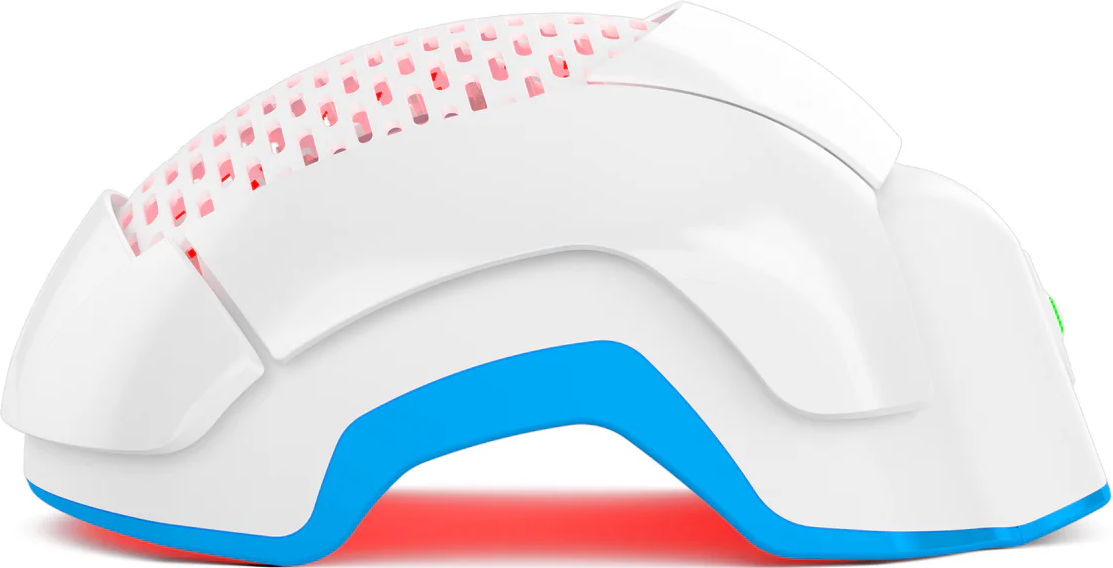
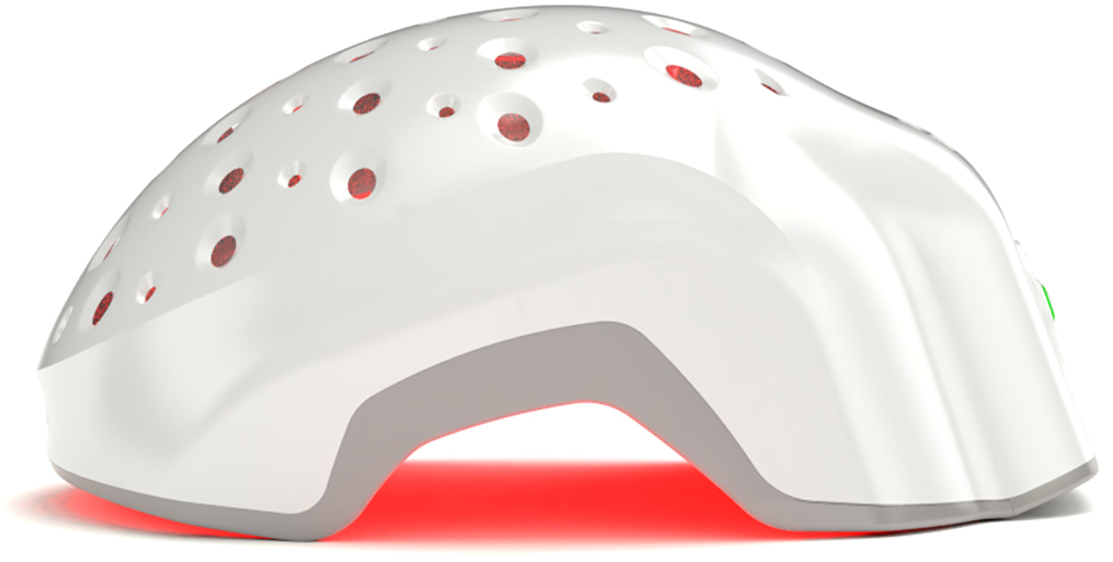
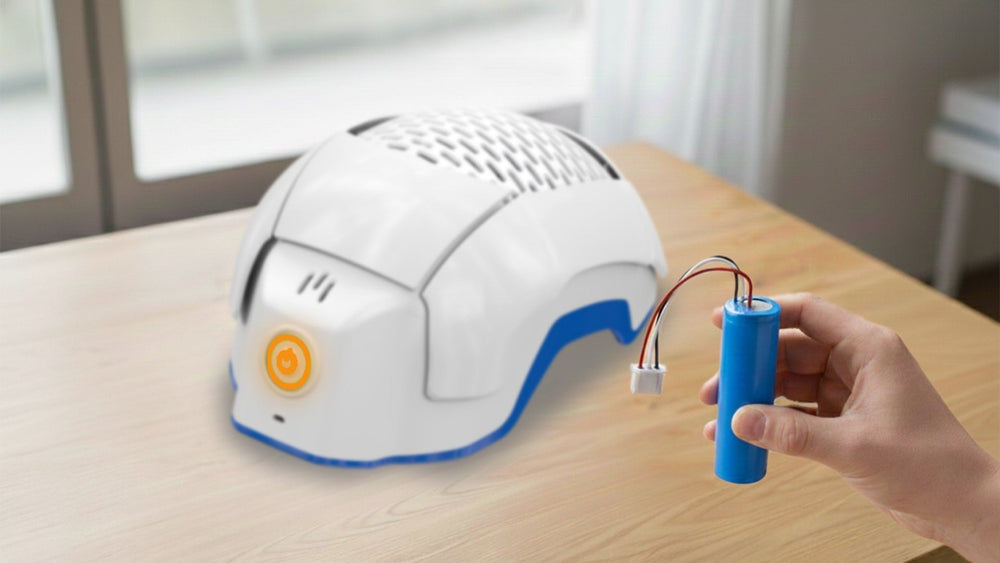
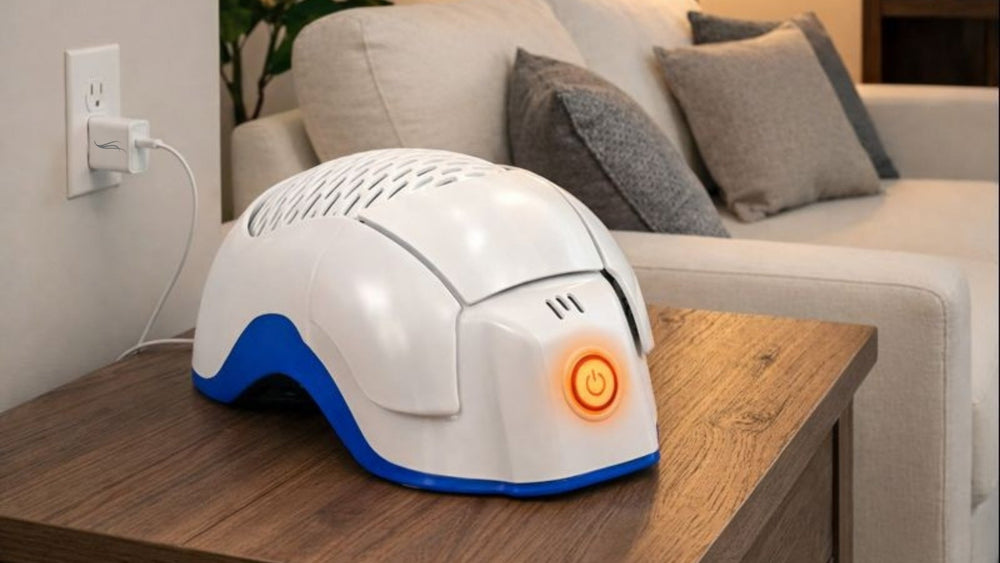
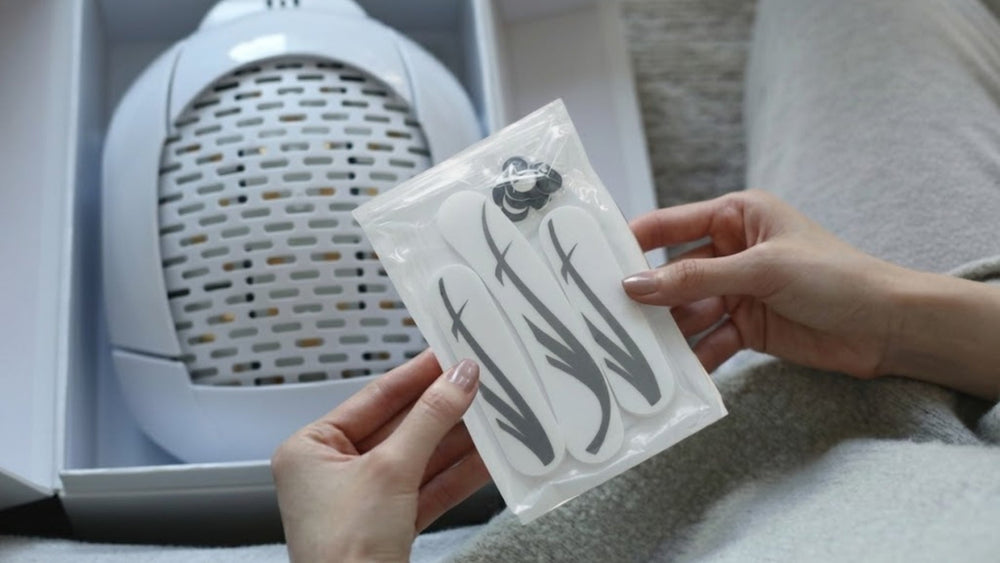
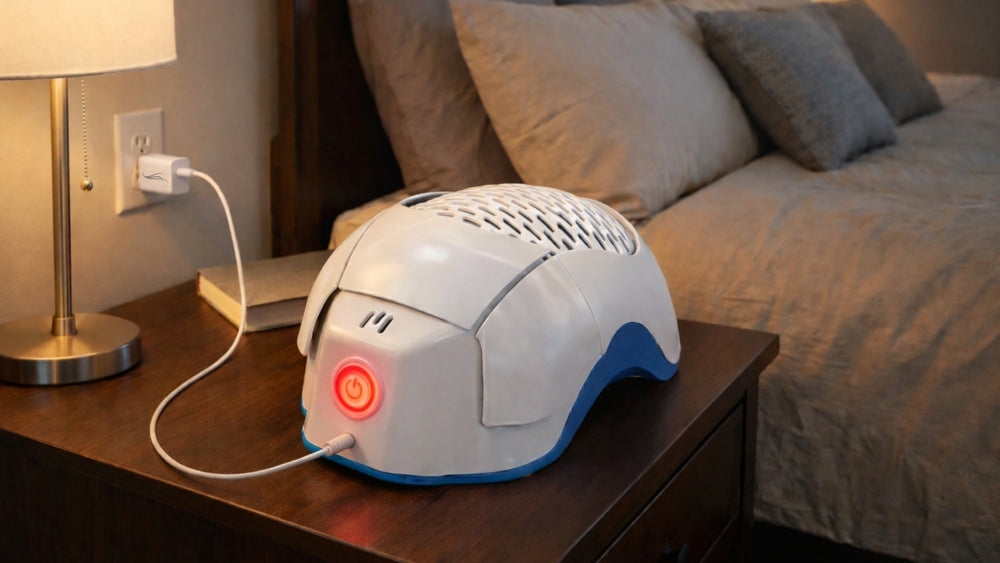
- Non-surgical treatments: You can also explore non-surgical treatment options such as Laser Phototherapy, PRP Therapy, and Scalp Micropigmentation. These can help manage the hair shedding while using Adderall and also boost new hair growth.
And finally, patience. Unlike the sharp cognitive boost of Adderall, hair plays the long game. The follicles need weeks to shift back into anagen (growth) phase. Some people even keep photo logs to remind themselves that subtle regrowth is happening, just slower than anxiety would prefer.
How Adderall Addiction Affect Hair Health
When Adderall use crosses into addiction, your hair often sounds the alarm first. Thinning hair strands are a visible sign of the physical toll stimulant abuse takes on your system. True recovery involves healing your mind and your hair follicles simultaneously.
Holistic recovery plans often include:
- Supervised medical detox to safely reset your internal systems.
- Nutritional rehabilitation to replenish vital nutrients that addiction typically drains.
- Behavioral therapy to address underlying mental health triggers.
- Restoration strategies using FDA-approved treatments like minoxidil to jumpstart regrowth.
Prioritizing your well-being is the ultimate "glow-up" for both your health and your hair!
What Are the Alternatives to Adderall That Don't Cause Hair Loss?
If you’ve noticed your hair thinning while taking Adderall, don't worry. You don't have to choose between a focused brain and a full head of hair. There are several follicle-friendly alternatives that manage ADHD symptoms without putting your scalp under so much stress.
Here are the best alternatives to discuss with your healthcare provider:
Non-Stimulant ADHD Medications
These are often the "gold standard" for those looking to avoid hair loss because they don't typically trigger the same stress response or appetite suppression as traditional stimulants.
- Atomoxetine (Strattera): This is a selective norepinephrine reuptake inhibitor. Since it isn't a stimulant, it doesn't usually cause the massive appetite crash that leaves your hair starved of nutrients. While hair loss is a rare reported side effect, it's much less common than with amphetamines.
- Guanfacine (Intuniv) and Clonidine (Kapvay): These "smooth operators" were originally used for blood pressure. They work on the brain's receptors to help with hyperactivity and impulsivity without the "jittery" side effects that can lead to telogen effluvium (stress-induced shedding).
Alternative Stimulant Options
Sometimes, your scalp just doesn't vibe with the specific chemistry of amphetamines. Swapping to a different class of stimulants can sometimes solve the problem.
- Methylphenidate-Based Meds (Ritalin, Concerta): These work differently than Adderall. Many people find they tolerate these much better, and a simple switch in medication class can sometimes be enough to let your hair follicles recover.
- Vyvanse (lisdexamfetamine): Known as a "prodrug," Vyvanse is inactive until your body breaks it down. This leads to a much smoother release of the drug in your system, which may reduce the "crashing" and overstimulation that leads to hair-pulling behaviors or thinning.
Non-Medication & Lifestyle "Brain Hacks"
If you want to lower your dose or skip the pills entirely, these methods help manage your focus naturally:
- Cognitive Behavioral Therapy (CBT) and Coaching: Think of this as a personal trainer for your brain. It helps you build "organizational muscles" so you don't have to rely solely on chemistry to stay on track.
- External Trigeminal Nerve Stimulation (eTNS): This is a cool, FDA-cleared gadget that sends mild electrical pulses to the brain to help with focus; zero impact on your hair follicles!
- Lifestyle Optimization: Regular exercise, consistent sleep, and a diet rich in zinc and iron support both your brain and your hair health simultaneously.
Pro-Tip: Always consult your doctor before making a switch. They can help you transition safely while ensuring your focus stays sharp and your hair stays put!
Does Adderall Cause Hair Loss in Women?
Women often notice hair changes first, sometimes even before a clinician takes their concern seriously. It’s pattern recognition. Female hair shedding from Adderall can present differently than in men, partly because hormonal interplay complicates everything. Estrogen and progesterone normally act like gentle bodyguards for follicles, keeping them in the growth phase a bit longer. But stimulant‑induced stress hormones can interrupt that quiet rhythm.
For some, the shedding appears diffuse… wider part lines, more strands in the shower drain. Others experience a subtle thinning near the crown, almost imperceptible until photos betray the difference. Oddly enough, a few report cyclical flares tied to their menstrual phases or postpartum recovery. (This might not be fully understood yet—dermatologists debate whether Adderall amplifies pre‑existing telogen effluvium patterns or simply accelerates them.)
Another layer is psychological: hair is tied to identity. When women lose it (even temporarily), it hits differently. It’s not just about aesthetics; it’s about control, health, and the unsettling feeling of your own body rebelling. And here’s the cruel irony—stress from noticing the hair loss can worsen the cycle, feeding back into the very telogen shifts Adderall may have nudged.
If this resonates, the approach should be holistic. Nutritional reinforcement (iron, zinc, adequate calories), open conversations with prescribers, and maybe even support from trichologists can all matter. Sometimes, a minor dose tweak or shift to XR formulations brings relief, but results vary. And yes, patience again—the follicles need months, not weeks, to recover.
Conclusion
So… does Adderall cause hair loss? Not in a neat, universally predictable way. For some, yes—it triggers telogen effluvium or unmasks an underlying genetic tendency. For others, nothing happens at all. Human biology is fickle like that.
So, if your hair seems to be showing distress signals, don’t ignore them. Document changes, talk to your medical provider, consider nutritional gaps, and give your follicles the environmental peace they need. Shedding now doesn’t necessarily mean forever. Most cases rebound if the root stressor is addressed.
And maybe that’s the quiet lesson tucked in this journey—hair health is a mirror for systemic balance. Listen early. Adjust thoughtfully. And if nothing else, take solace in knowing your body isn’t broken—it’s just… negotiating with itself.