







The keto diet itself is not well proven to directly damage hair follicles or cause permanent hair loss. What is much better supported is this: rapid weight loss, eating too little overall, low protein intake, and nutritional gaps can push more hairs into the resting phase and trigger temporary shedding called telogen effluvium.
Hair usually does not protest right away.
Why do some people notice hair loss after starting keto?
When people type “does keto diet cause hair loss” into Google at 1:14 a.m., what they are usually describing is not baldness appearing out of nowhere. It is shedding. More hair in the shower. More strands on the pillow. More of that unpleasant little gasp when your hand comes away with a few extra hairs after washing. And, clinically, the pattern that fits best is often telogen effluvium.
Telogen effluvium is a common cause of diffuse hair shedding that happens after the body gets hit with a stressor. That stressor can be illness, surgery, childbirth, medication changes, psychological strain, weight loss, or restrictive eating. So if someone starts keto, drops weight quickly, eats less than they realize, and then notices shedding a few months later... yes, that timeline makes medical sense.
The part people often miss is timing. Hair does not usually shed the week you cut carbs. In telogen effluvium, follicles shift into a resting phase first, then the shedding becomes visible later, often 2 to 3 months after the trigger, sometimes within a 2 to 6 month window depending on the source and the person. That delay is why readers often blame the wrong thing, or the right thing but at the wrong moment.
What is telogen effluvium and how does it affect hair growth?
Hair growth cycle explained
Human scalp hair moves through a cycle: anagen for growth, catagen for transition, telogen for rest, and exogen for shedding. Anagen can last for years, catagen lasts weeks, telogen roughly a few months, and exogen is the stage when the hair is released. That cycle is why some shedding is normal every day, even when everything is going perfectly fine.
In practical terms, normal shedding does not mean the scalp is failing. It means follicles are cycling asynchronously, which is a wonderfully inelegant biological setup, but a smart one. If every follicle took the same day off, we would all look very startled at once.
How telogen effluvium happens
With telogen effluvium, more follicles than usual get pushed out of active growth and into the resting phase. Then, a while later, those hairs shed. The loss is usually diffuse, not sharply patterned or scarred, which is one reason diet-related shedding often feels dramatic in the mirror but still does not look like classic patchy bald spots.
That distinction matters because androgenetic alopecia behaves differently. AGA is a progressive miniaturization process driven by follicle sensitivity and hormones, while telogen effluvium is more of a timing problem in the hair cycle. They can coexist, though. And that is where things get messy... a temporary shed can make underlying pattern thinning suddenly easier to notice.
Why can rapid weight loss trigger hair shedding?

Calorie restriction and follicle metabolism
Hair follicles are metabolically active little things. They need energy, amino acids, micronutrients, and a reasonably steady internal environment to keep producing hair fiber. Reviews on diet and hair loss consistently note that sudden weight loss and calorie restriction can trigger acute telogen effluvium.
That does not mean the body is “attacking” the hair. It means the body is prioritizing. When intake drops hard or weight comes off fast, hair production becomes less urgent than keeping core systems running. Cold, yes. Efficient, also yes.
Protein intake and hair structure
Hair fiber is largely made of keratin, a structural protein. If someone on keto ends up eating less overall, or leans so heavily into “high fat” that protein gets underplayed, the follicle loses some of the raw materials it relies on. Clinical reviews specifically identify decreased protein intake as a known trigger for acute telogen effluvium.
This is why two people can both say they are “doing keto” and have very different outcomes. One may be eating enough total energy and adequate protein. The other may be living on coffee, cheese, bacon, vibes... and then wondering why the shower drain is getting theatrical.
Nutrient balance during restrictive diets
A ketogenic diet can be designed carefully, but it can also get nutritionally narrow in real life. Reviews of ketogenic dieting warn about possible vitamin and mineral deficiencies when restriction is high, food variety is poor, or the diet is not well supervised. One 2024 study also found lower thiamine intake and status in adults following low-carbohydrate diets compared with controls.
That does not mean every person on keto becomes deficient. It means risk rises when the plan is sloppy, prolonged, or unintentionally underfed. And because this topic is full of overconfident internet shouting, that middle ground is worth protecting.
Does keto always cause hair loss?
No.
That is the clean answer, and it deserves to be said without drama.
Many people follow ketogenic diets and never notice increased shedding. The evidence does not support the claim that ketosis itself automatically causes hair loss. What the literature supports is a more conditional explanation: shedding risk goes up when keto overlaps with triggers already known to disturb the hair cycle, especially fast weight loss, reduced intake, protein shortfall, or micronutrient gaps.
So the better question is not just “Is keto bad for hair?” It is “What kind of keto, under what conditions, and what happened to body weight and nutrition in the process?” That is the sort of question a dermatologist would actually care about.
How long does keto-related hair loss last?
If the shedding is truly acute telogen effluvium, it is usually temporary. DermNet describes telogen effluvium as excessive shedding after a shock to the system, with new hair continuing to grow. Clinical reviews commonly place acute TE under the six-month mark, and improvement often follows once the trigger resolves.
That said, “temporary” can still feel very long when you are living inside it. Hair has a frustrating sense of time. Weight can drop quickly. Shedding can show up later. Regrowth then asks for patience that almost nobody enjoys giving.
A 2024 retrospective study of weight-loss-associated telogen effluvium found that patients improved, on average, within about 4.8 months during follow-up, though individual timelines vary. So, yes, hair loss from keto diet can grow back when the trigger is corrected, but it may not do it on your preferred emotional schedule.
How can you reduce hair loss while following the keto diet?
Maintain adequate protein intake
Protein matters. Repeating that is not elegant, but it is correct. Hair follicles require amino acids to keep producing keratin, and the literature on nutrition and shedding repeatedly flags low protein intake as a problem area. If someone wants to stay on keto, they need to make sure “high fat” does not quietly become “barely eating enough protein.”
Avoid extreme calorie restriction
Rapid weight loss is a known telogen effluvium trigger. That means more aggressive is not always more intelligent, at least not from the scalp’s point of view. A steadier pace of weight loss may reduce the metabolic jolt that makes follicles shift into rest mode.
And yes, this is less exciting than miracle promises. Still true.
Support overall nutritional balance
A better-formulated keto pattern includes nutrient-dense foods, enough total intake, and attention to possible deficiencies when restriction is prolonged. It also helps to remember that throwing random supplements at panic is not the same thing as fixing a documented gap. Reviews on hair and micronutrients support correcting real deficiencies, not automatically handing every shedding episode a generic “hair vitamin” script.
One note worth being plain about: despite its reputation online, biotin does not have strong evidence for treating androgenetic alopecia or telogen effluvium in people without a true deficiency. A review in Skin Appendage Disorders specifically concluded that the literature does not support routine biotin supplementation for AGA or TE.
What treatments can help if hair shedding already started?
Correcting nutritional triggers
If keto-related shedding has started, first-line management is usually boringly sensible. Identify the trigger. Correct it. Make sure calorie intake is not too low, protein intake is adequate, and any medically confirmed deficiency is addressed. That is much closer to evidence-based care than chasing every shiny capsule with “hair” printed on the bottle.
This is also where it helps to pause and ask an unfashionable question: did the diet get too strict, too fast?
Sometimes that is the whole plot.
Laser Phototherapy and hair follicle support
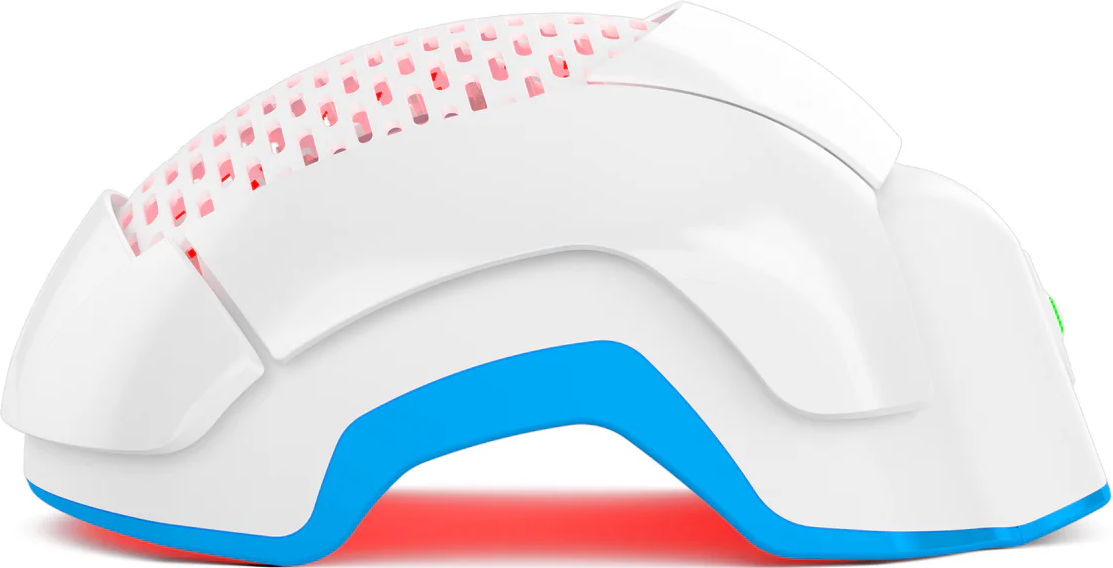
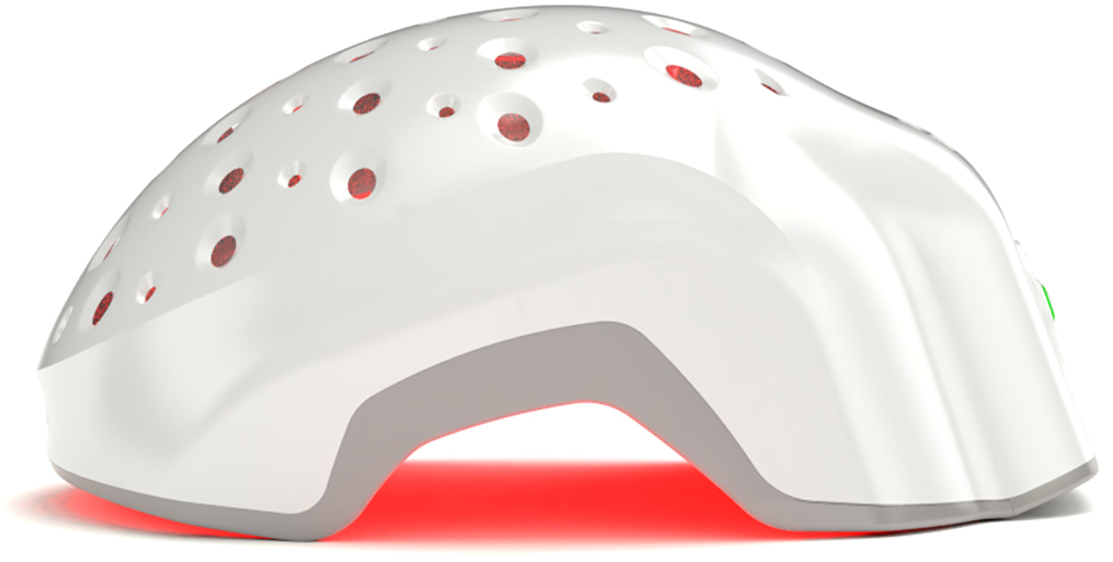
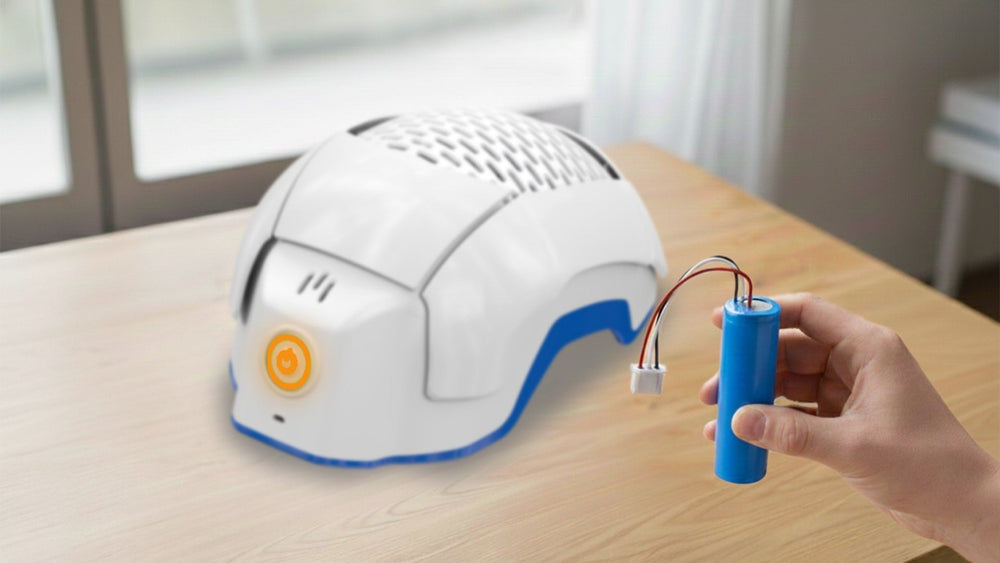
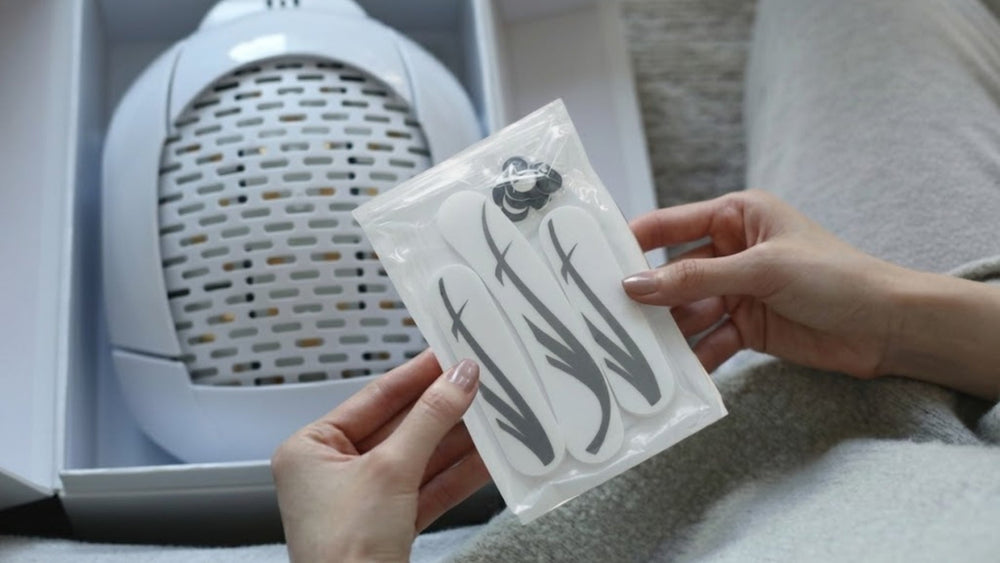
Laser Phototherapy has evidence in androgenetic alopecia, where systematic reviews and meta-analyses have found improvements in hair growth measures with low-level light or laser therapy. More recent reviews, though, suggest that the same level of benefit has not been clearly shown for telogen effluvium.
That means the most medically careful framing is this: if dieting-related shedding has exposed underlying androgenetic alopecia, Laser Phototherapy may be relevant as part of a longer-term follicle support plan. It should not be oversold as a proven cure for telogen effluvium itself.
When medical evaluation is necessary
See a qualified clinician, ideally a dermatologist, if shedding is patchy, painful, scarring, clearly worsening, or still going strong beyond roughly six months. Medical evaluation also matters when hair loss comes with symptoms that suggest thyroid disease, iron deficiency, systemic illness, or medication-related shedding.
Because sometimes keto is the reason.
Sometimes it is just in the room.
When might hair loss during keto signal another condition?
Not every shedding episode after a diet change belongs to the diet. The American Academy of Dermatology and DermNet both point readers toward other causes of hair loss, including thyroid disease, iron deficiency, medications, illness, hormonal issues, and different alopecia types.
That is why self-diagnosis gets risky in a hurry. Diffuse shedding can look deceptively simple, especially early on. But alopecia areata can cause sudden patchy loss, androgenetic alopecia can be quietly progressing underneath, and medication-induced telogen effluvium is very real.
Conclusion
The strongest evidence does not say the keto diet directly causes permanent hair loss. It does say that rapid weight loss, reduced intake, protein shortfall, and nutritional imbalance can trigger telogen effluvium, which often shows up a few months later and is usually temporary.
So if you are dealing with keto diet hair loss, the useful question is not whether your scalp hates ketones. It is whether the diet created a level of stress your hair cycle could not shrug off. Fix the trigger, give the follicles time, and get proper medical help if the pattern does not fit temporary shedding. That earlier timing point... the one about delay... still matters. Probably more than anything else in this whole piece.