





Your scalp needs proper care to stay healthy and balanced, and when there’s a disruption, it leads to hair loss. Maintaining a healthy scalp is about understanding what your scalp needs and giving it the right care in order to reduce irritation and create the ideal foundation for stronger, fuller hair.
In this article, we’ll go over what scalp health really means and how to care for it, alongside the best available treatment options which support regrowth if you’re experiencing thinning hair.
Why is Scalp Health Important?
Scalp health is important because the scalp is sensitive and constantly responds to internal and external factors. It hosts thousands of hair follicles, oil glands, and tiny blood vessels that nourish each strand from the root up.
If your hair feels weak, brittle, or refuses to grow despite using countless products then the issue may not be with your hair itself, but with what lies beneath it because an unhealthy scalp gets in the way of nutrient flow and so limits growth.
What Does a Healthy Scalp Look Like?
A healthy scalp is clean, comfortable, and well-nourished. As such, it is properly hydrated, produces just the right amount of natural oils, and has good blood flow for strong hair growth.
There should be no signs of redness, flaking, or itchiness, only smooth skin which feels calm and resilient. When your scalp is in this state, it represents the perfect environment for thicker, shinier, and more vibrant hair.
Different Scalp Types & Issues
When it comes to scalp health, two main types tend to get the most problems, dry and oily. A dry scalp feels tight, itchy, and produces small, powdery flakes. An oily scalp, on the other hand, makes hair feel greasy or heavy soon after washing, this being down to excess sebum production.
Both types result in a variety of scalp conditions, including:
Dandruff
Dandruff is one of the most common signs of scalp imbalance. Unlike dry scalp flakes, dandruff flakes are larger, oilier, and often accompanied by itching as well as mild irritation.
Seborrheic dermatitis
Seborrheic dermatitis is a condition which causes redness, greasy scales, and persistent flaking. It’s linked to an overgrowth of Malassezia, a naturally occurring yeast that triggers inflammation.
Psoriasis
Scalp psoriasis appears as thickened patches of skin covered with silvery-white scales. It ranges from mild and barely noticeable to severe, sometimes extending beyond the hairline or to other parts of the body.
Eczema
Eczema on the scalp leads to itching, redness, and patchy irritation. It appears as the aforementioned seborrheic dermatitis, atopic dermatitis, which is influenced by genetics and the environment, and contact dermatitis, which develops after exposure to allergenic products like hair dyes or shampoos.
Learn more about the scalp problems you shouldn't ignore.
What Affects Scalp Health?
As we mentioned earlier, your scalp’s health is tied to a combination of internal and external factors. More specifically, age, hormones, diet, certain medications, and even seasonal shifts all throw things off balance. Likewise, product buildup from using formulas which don’t suit your scalp type also clogs pores and interfere with healthy hair growth.
Not to mention, everyday styling habits play a part in that constant tension from tight hairstyles or frequent use of heat tools leads to dryness, breakage, and irritation along the hairline. And while it might not be obvious, chronic stress worsens the scalp conditions we’ve talked about so far.
How to Take Care of Your Scalp
Consistent scalp care eases irritation, reduces buildup, and generally keeps it in good condition. Here’s what a scalp care routine could look like:
- Wash your scalp regularly, but choose a shampoo that suits your needs and always check the ingredient list and avoid harsh sulfates.
- Gently massage your scalp with your fingertips while washing. Scalp massages boosts circulation, delivering nutrients and oxygen to your hair follicles.
- Exfoliation lifts away dead skin cells and product residue, keeping follicles clear. Use a scalp scrub or gentle exfoliating treatment once a week.
- Focus conditioner on the mid-lengths and ends of your hair rather than the scalp to prevent buildup. If your scalp feels dry or tight, use a scalp serum designed to hydrate without clogging pores.
- Choose a brush which suits your hair and treats your scalp gently. Avoid aggressive brushing, especially when your hair is wet.
Scalp Treatments for Hair Growth
A good scalp care routine will maintain an environment for your hair that’s already healthy, but if you’re already experiencing significant hair loss then regular care alone won’t be enough to regrow what’s been lost.
In such cases, targeted treatments are required, and the only FDA-cleared ones are:
- Minoxidil: Minoxidil increases blood circulation to the hair follicles. This consequent improved nutrient flow extends the growth phase of the hair cycle, thereby slowing shedding and encouraging regrowth.
- Finasteride: Finasteride blocks the hormone DHT, a contributor to follicle shrinkage and thinning. Note: finasteride shouldn’t be taken by pregnant women or those who are trying to become pregnant due to the risk of birth defects.
- Low-Level Laser Therapy (LLLT): LLLT is noninvasive treatment that uses light energy to stimulate dormant follicles and therefore improve cellular activity in the scalp. With consistent use, LLLT strengthens existing strands and supports new growth.
Lost Hair Because of a Scalp Condition? Regrow it with Theradome
An imbalanced scalp, regardless of if it’s too oily or too dry, is a sign that your hair and scalp are not functioning optimally. LLLT restores balance by improving cellular activity and promoting healthier scalp function, with many noticing that excess oiliness or dryness gradually normalizes afterwards.
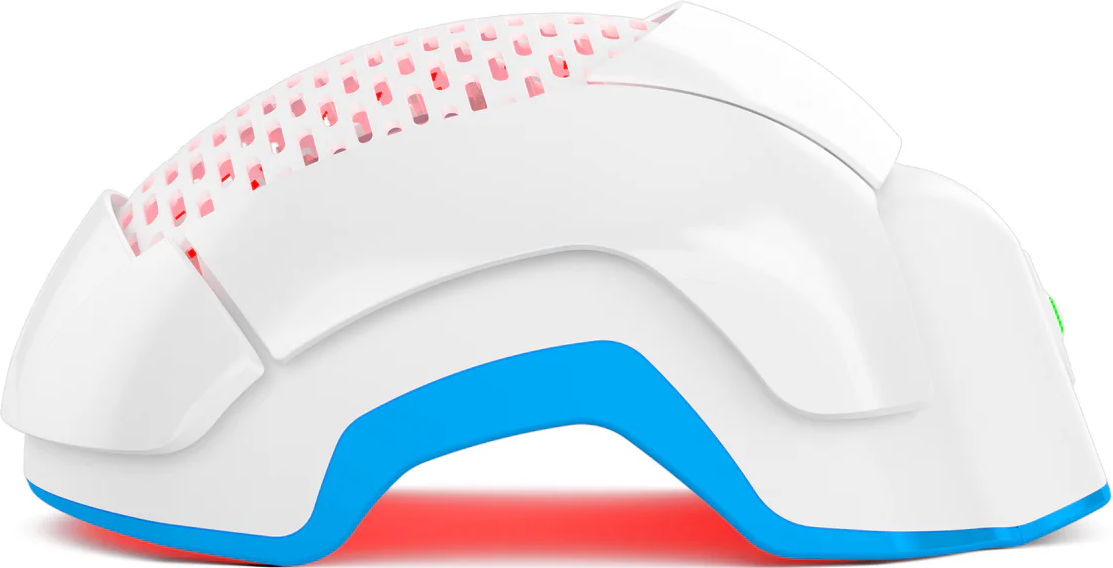
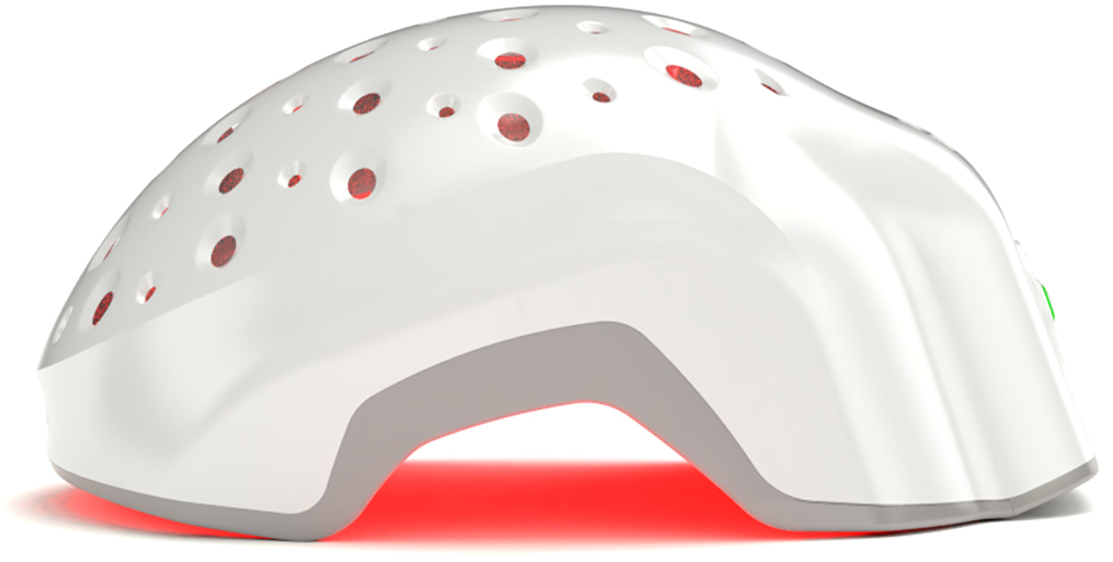
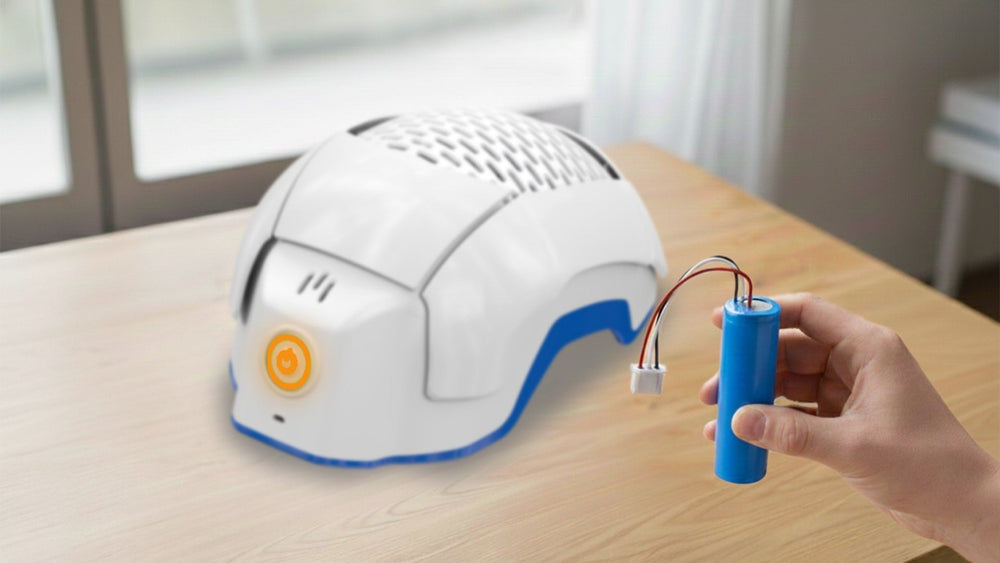
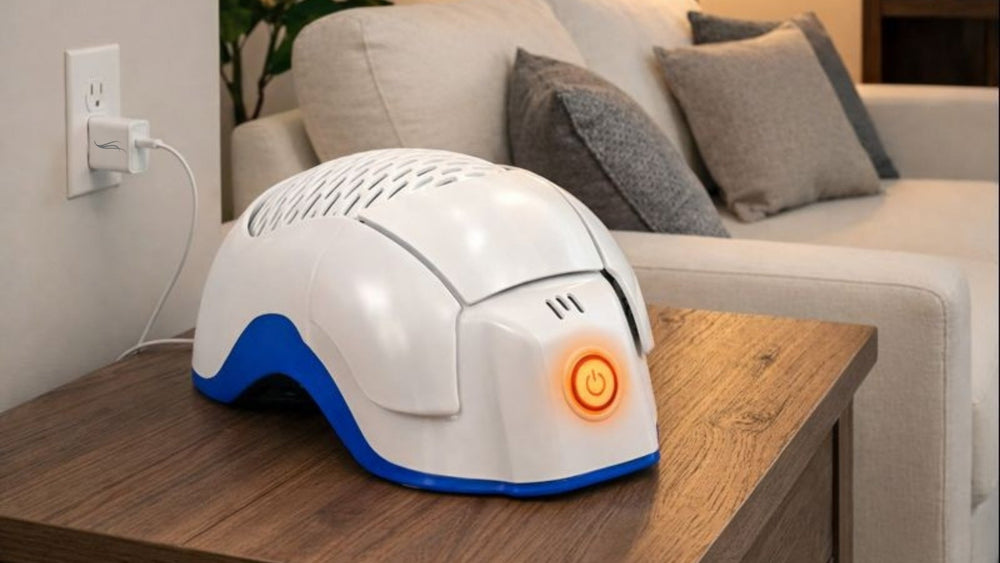
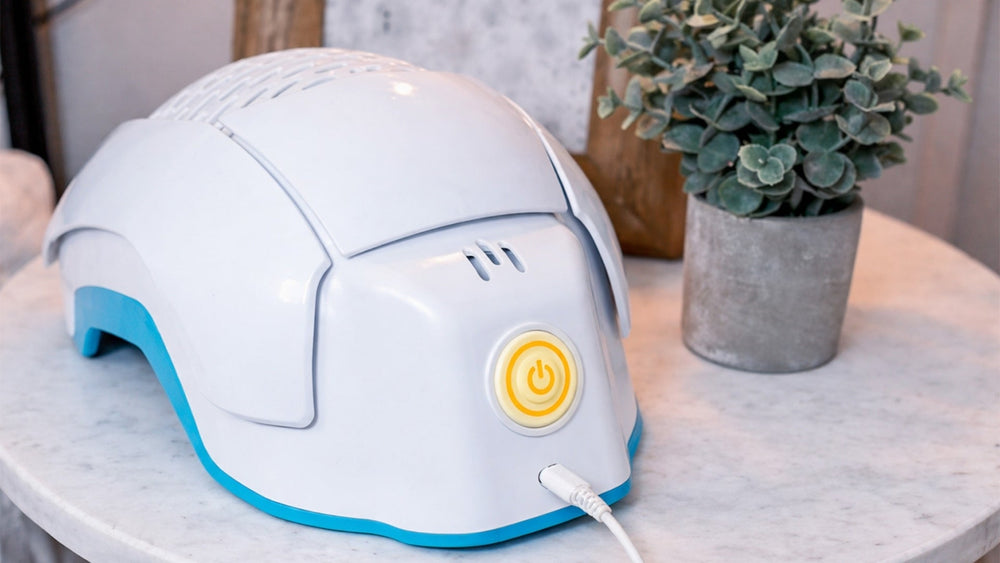
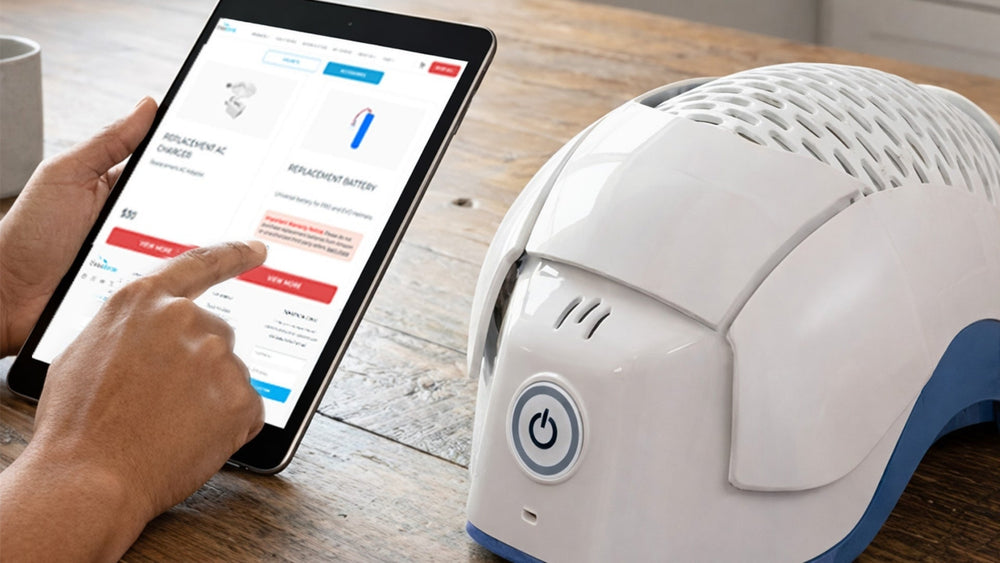
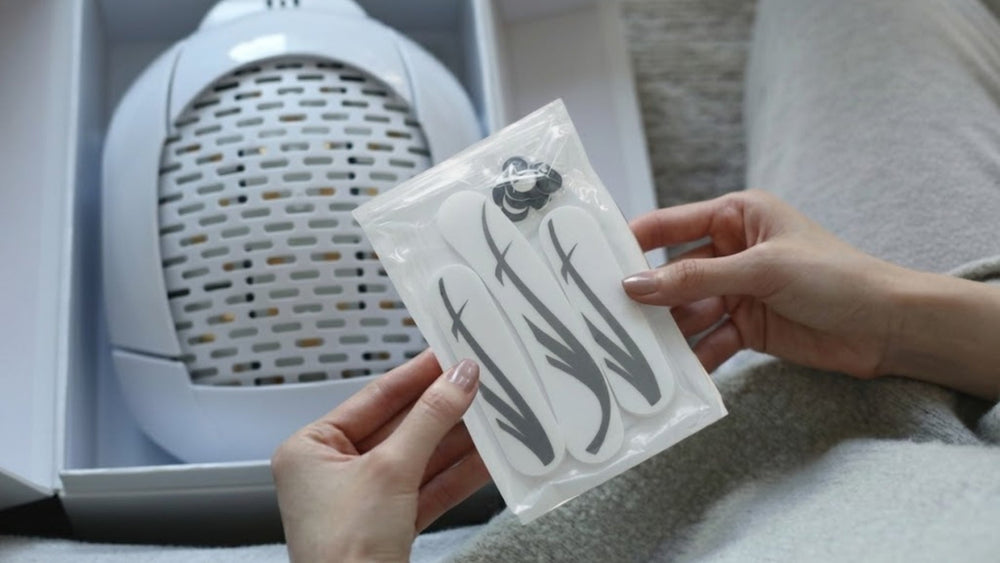
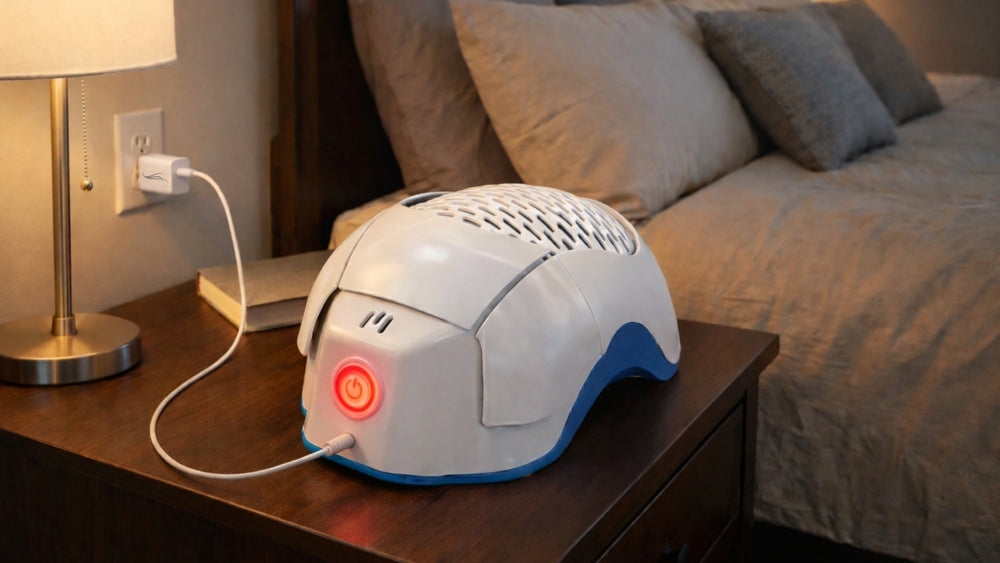
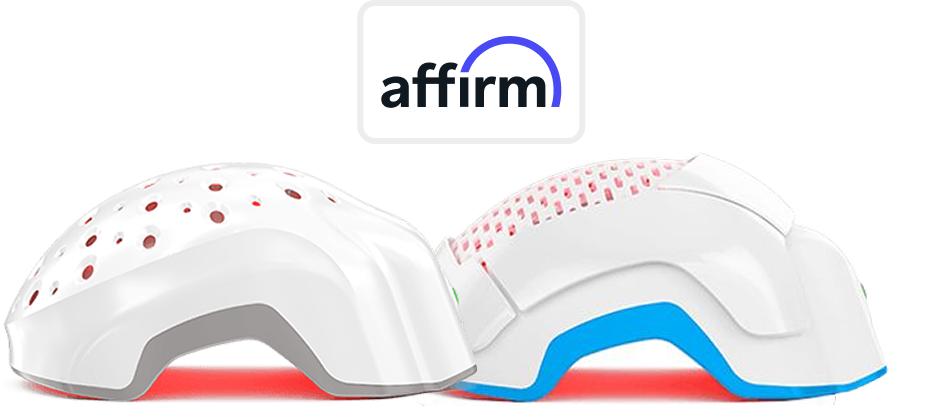
Theradome hair regrowth devices are designed to support this process by regulating sebum production and creating a more balanced scalp environment. Use your Theradome PRO LH80 or EVO LH40 device two to four times per week for 20 minutes per session to encourage stronger, thicker hair.
Experience the benefits of professional-grade laser therapy from home and give your scalp the only treatment it needs with Theradome.