





Mustard oil can make hair feel softer, look shinier, and, for some people, seem a bit less rough or breakage-prone. What it has not been shown to do is reliably regrow scalp hair or treat pattern hair loss. It also is not one of those “harmless because it’s natural” things. Mustard oil can irritate skin, especially on a reactive scalp, so the smart version is cautious, not starry-eyed.
What Is Mustard Oil… Really?
Mustard Oil vs Mustard Essential Oil
This is the first place people get tripped up.
“Mustard oil” can refer to two different things. One is expressed mustard oil, the thicker fatty oil pressed from mustard seed. The other is essential oil of mustard, a much lighter flavoring oil produced differently and treated differently by regulators. The U.S. FDA’s import alert on expressed mustard oil makes that distinction explicit, and it matters because beauty posts often blur them together as if they behave the same way. They do not.
That mix-up is not tiny, either. Expressed mustard oil has substantial triglyceride content and notable erucic acid levels, while essential mustard oil has very little triglyceride content and is discussed differently in food regulation. So if somebody online starts making grand claims about “mustard oil” without saying which one, that is already a little… slippery.
What’s Inside It
Mustard seed oils are known for high erucic acid content, along with other fatty acids such as oleic, linoleic, and alpha-linolenic acids. Reviews of mustard chemistry also discuss glucosinolates and mustard-related breakdown products that contribute to pungency and biologic activity. That gives mustard oil a very different profile from, say, coconut oil, which gets talked about in hair care for different reasons.
And yes, that sharp smell and warming feel are not random. Mustard-related compounds such as allyl isothiocyanate are well known in toxicology and sensory research for being irritating and pungent. Which sounds dramatic, but it mostly means this is not a “neutral” oil the way people sometimes assume.
Why It Shows Up in Hair Rituals So Often
Because it has been around for a very long time in traditional grooming routines, especially in South Asia. One older study on Indian hair oils and scalp fungi even linked widespread hair oil use with lower tinea capitis prevalence in that setting, although that is not the same thing as proving mustard oil itself is a scalp treatment. Still, the cultural staying power is real.
And honestly, we get why oils stay popular. They feel like action. They smell strong. They make hair look “better” almost immediately. Humans love a ritual, especially when the mirror gives instant feedback.
Is Mustard Oil Actually Good for Hair?

It can be good for hair care in the cosmetic sense. That is the careful answer.
Mustard oil may improve feel, softness, shine, and manageability by coating the hair fiber and reducing friction. Reviews on hair oils and hair cosmetics support the broader point that oils can help with hair shaft weathering and grooming, even though the strongest direct evidence is not for mustard oil specifically.
But if by “good for hair” you mean, “Will this regrow thinning hair or reverse pattern hair loss?” then the answer changes. Quite a bit. Current dermatology guidance for hereditary hair loss still centers on treatments such as minoxidil, finasteride in appropriate patients, and other medically guided options. Mustard oil does not sit in that same evidence tier.
What Mustard Oil Can Actually Do for Your Hair
Hair oils can make the hair surface feel less rough, reduce drag between strands, and give more shine. That part is not mysterious. The hair shaft is dead fiber, so anything that smooths the cuticle surface or reduces friction can make it look healthier even when nothing biologically deep has changed. Reviews aimed at clinicians fielding patient questions about hair oils make that pretty clear.
With mustard oil specifically, the best-supported claim is not “repair” in some dramatic sense. It is closer to surface lubrication and conditioning. That sounds less sexy, sure, but it is closer to the truth.
Breakage vs Growth (This Needs Clarity)
A lot of people say an oil “helped their hair grow” when what probably happened is this, their hair broke less, felt smoother, and therefore looked fuller over time. Those are not identical outcomes. Classic work on oils and hair protein loss showed that coconut oil, not mineral oil or sunflower oil, had a clear advantage in reducing protein loss in damaged and undamaged hair. That study is a useful reality check because it shows that not all oils behave the same way, and it does not give mustard oil the same evidence badge.
That distinction matters. Reduced breakage can make hair retention look better. It does not automatically mean a product is changing follicle biology or extending anagen.
Scalp Comfort (Sometimes… Not Always)
There is a biologically plausible argument that fatty acids, especially linoleic-acid-rich oils in general, can support skin barrier function. Reviews on linoleic acid and plant oils support that broader skin point. So, for a dry, non-reactive scalp, an oil may sometimes help the scalp feel less tight or stripped.
But mustard oil is a weird little paradox here. It is still an oil, yes, yet mustard-derived compounds can also be irritating to skin. So one person may call it “soothing,” while another gets redness, sting, or itch. Same bottle, different scalp.
Antimicrobial Claims… Let’s Slow Down
There is some lab and older observational support for mustard-related antimicrobial activity. The 1992 paper on Indian hair oils reported inhibition of dermatophyte growth by mustard oil. Broader literature on isothiocyanates also supports antimicrobial activity in vitro.
But that is not enough to jump to, “Mustard oil treats dandruff” or “Mustard oil clears scalp disease.” Dandruff and seborrheic dermatitis are complex conditions with yeast involvement, barrier dysfunction, and inflammation, and they have far better-studied treatments such as ketoconazole and zinc pyrithione formulations.
That leap, from petri dish to person, gets made online all the time. It is still a leap.
What Mustard Oil Does NOT Do (But People Think It Does)
Mustard oil has not been shown in strong human studies to regrow scalp hair in androgenetic alopecia. It has not been established as a treatment for alopecia areata. It does not permanently mend split ends once the fiber has split. And it should not be framed as a stand-in for diagnosis when shedding is persistent, patchy, or rapidly worsening.
The warming feel is another place people get fooled. A scalp can tingle, flush, or sting because something is irritating sensory pathways. That is not proof the follicles are now having some triumphant rebirth. Allyl isothiocyanate is specifically noted as an irritant that can trigger eczematous or vesicular skin reactions.
Sensation is not the same as progress.
Why Oils Behave Differently on Hair
Some oils mostly sit on the surface. Some penetrate hair more effectively, depending on molecular structure and the condition of the fiber. That matters because a shiny coating and genuine reduction in protein loss are not the same thing. Reviews written for dermatologists addressing patient questions about hair oils make that difference pretty plain.
So where does mustard oil likely sit? More realistically in the conditioning bucket. Maybe some scalp comfort in select people. Maybe less friction. Maybe a better-looking hair day. Not a proven follicle treatment.
Where Mustard Oil Fits… Realistically
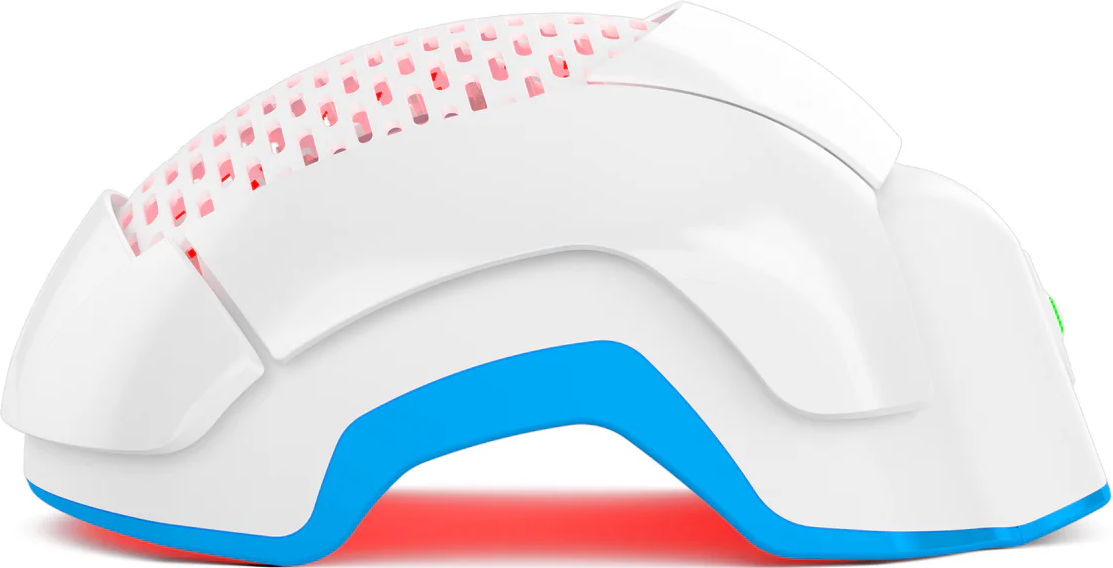
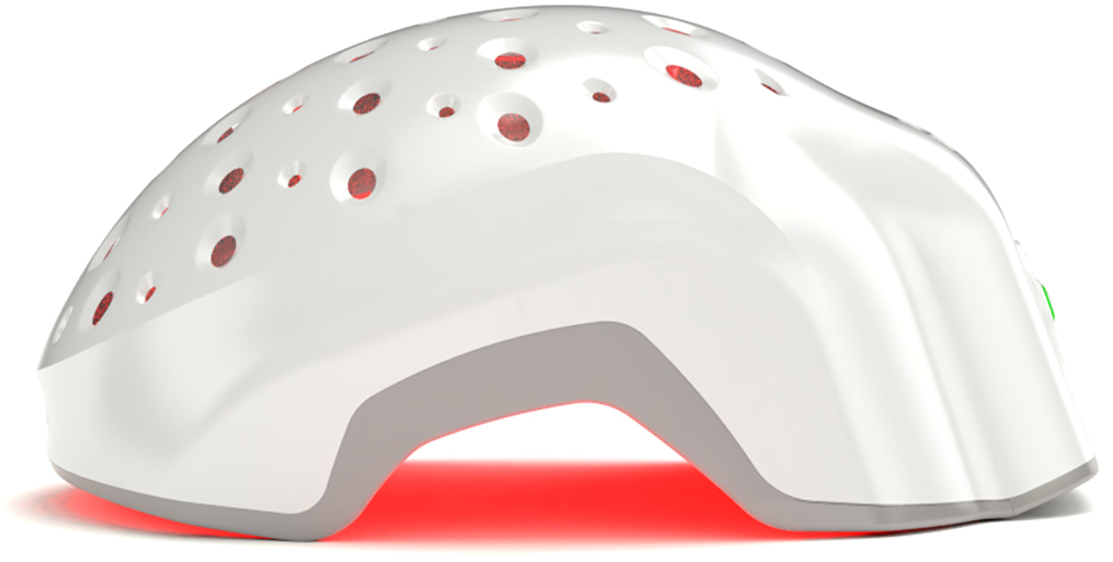
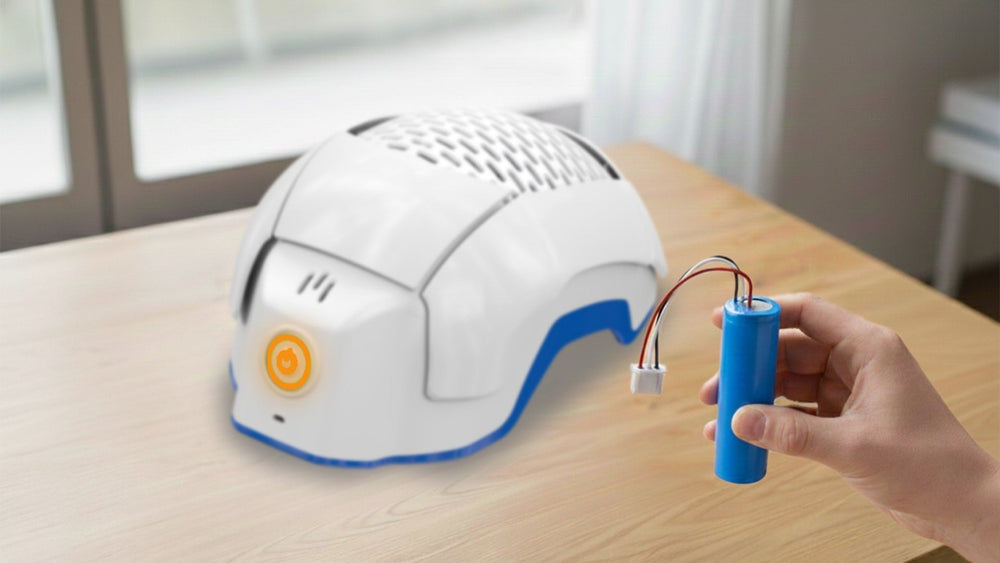
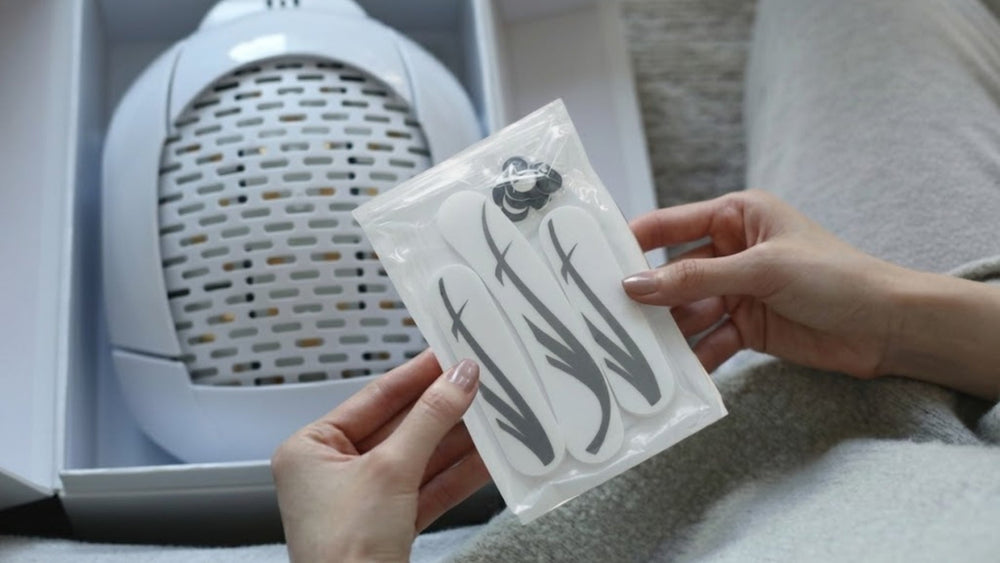
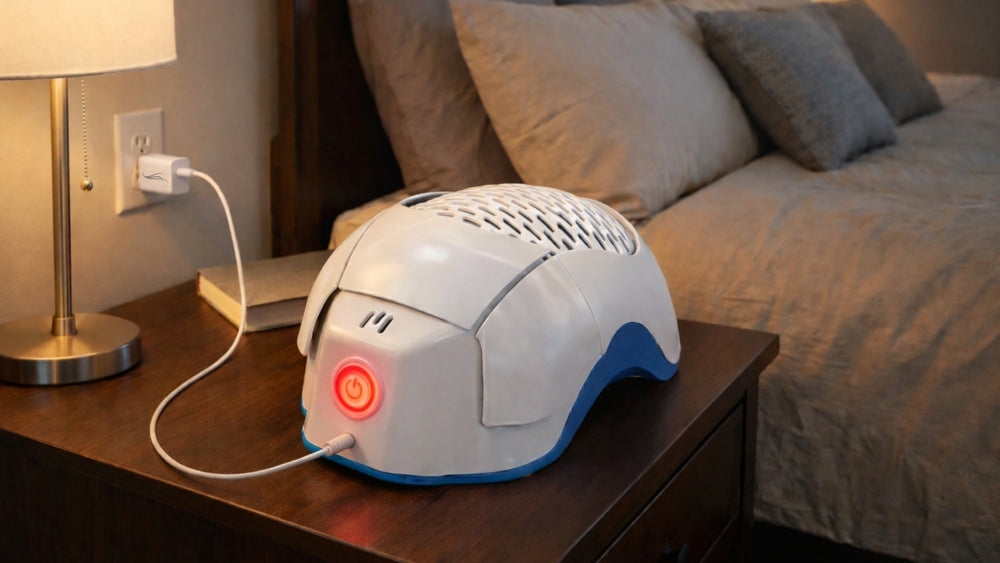
If your main issue is dryness, rough hair, or breakage from grooming, mustard oil may be worth a cautious try. If your main issue is pattern thinning, miniaturization, patchy loss, or heavy shedding, the evidence points somewhere else first, usually diagnosis, medical treatment, and in some cases devices such as at-home laser helmet that have some clinical support, even though results vary.
That is not a knock on oils. It is just category control.
The Risks No One Talks About Enough
Mustard oil can irritate skin. This is not speculation. Toxicology references for allyl isothiocyanate describe irritation of mucous membranes and eczematous or vesicular skin reactions, and case reports exist for mustard-related contact reactions and pityriasis rosea-like eruptions after mustard oil use.
That means the classic “it burns a bit, so it must be doing something” logic can backfire badly. In some people, that burn is just… irritation. Not beneficial stimulation. Just your skin filing a complaint.
Who Should Be Careful (or Avoid It)
People with eczema, a known history of allergic contact dermatitis, a very reactive scalp, active seborrheic dermatitis, or broken skin should be much more cautious. Reviews of scalp allergic contact dermatitis and hair-product allergy make it clear that hair products, especially those with sensitizing ingredients, can cause symptoms not only on the scalp but along the hairline, ears, eyelids, and neck.
If the scalp is already inflamed, adding a pungent, potentially irritating oil is not always the cute natural move the internet pretends it is.
Patch Testing
Patch test it first. A small amount on a discreet area of skin, then wait and watch. If there is burning, rash, itch, or swelling, stop there. This is especially sensible with mustard oil because the very compounds that give it “character” can also trigger skin reactivity.
One small test can spare you a stupidly annoying week.
When “Natural” Backfires
People hear “plant oil” and mentally round it down to harmless. We have all done that at some point. But poison ivy is natural too, and nobody wants that on their scalp.
How to Use Mustard Oil Without Regretting It
How Much to Use (Most People Overdo It)
Start small. A few drops for short hair, a little more for longer lengths. The goal is a light coating, not a scalp-and-pillowcase crisis. Hair oils can help with lubrication, but overapplication raises the odds of buildup and irritation without magically multiplying the upside.
How Long to Leave It In
If you tolerate it, a short pre-wash window makes more sense than heroic all-night sessions. There is no strong clinical evidence that longer contact with mustard oil creates better hair growth results, and with an irritant-prone oil, longer is not automatically smarter.
Should You Heat It?
Slight warming may make application easier, but there is no good evidence that heating mustard oil boosts regrowth or gives the scalp some special benefit. And if your scalp is reactive, extra warmth can make the whole thing feel more aggressive, not more helpful.
How Often Makes Sense
For most people who want to try it, occasional use is the saner lane. Think once weekly or less, not daily devotion. If your scalp starts feeling itchy, greasy, prickly, or irritated, back off. Or stop. That is not failure. That is a functioning nervous system.
Washing It Out Properly
Wash it out thoroughly with a gentle shampoo. Residual oil plus a reactive scalp is not always a happy pairing, especially if you are already prone to dandruff-like flaking or seborrheic dermatitis. Those conditions have their own treatment pathways, and piling oil on top is not always helpful.
Who Might Actually Benefit From Using It
Someone with dry, coarse, or friction-prone hair may get the most from mustard oil, especially if what they want is more softness, more slip, and less roughness after washing. A person with a non-sensitive scalp who likes occasional pre-wash oiling may also do fine with it.
That is different from someone with patterned thinning, rapid shedding, patchy loss, or scalp disease. In those cases, mustard oil may still sit on the sidelines as a grooming product, but it should not become the main event.
Where Mustard Oil Fits in a Real Hair Routine
This is probably the cleanest way to think about it.
Mustard oil belongs more on the hair quality side of the conversation than the follicle treatment side. It can sit in a routine as an occasional conditioning step if your scalp tolerates it. But when the concern is actual thinning, miniaturization, or hereditary loss, the plan usually broadens into diagnosis, evidence-based treatments, and sometimes device-based care such as Laser Phototherapy. The AAD notes that at-home laser devices have shown promising results in some hereditary hair-loss studies.
So yes, an oil can have a place. Just not every place.
Quick Comparison: Mustard Oil vs Other Oils
Coconut oil has the clearest direct evidence here, especially for reducing protein loss in hair. That gives it a stronger research footing for hair-fiber protection than mustard oil.
Castor oil gets a lot of chatter, but strong regrowth evidence is not there. Argan oil has some supportive work around oxidative damage protection in hair fibers. Mustard oil, by contrast, sits in a more traditional, less directly studied category, with a sharper irritation profile than many expect.
Which one is “best” depends on what you want. Shine? Slip? Less friction? Less protein loss? A calmer scalp? Those are different questions, and one bottle rarely answers all of them well.
Common Mistakes People Make With Mustard Oil
Using too much. Leaving it on too long. Ignoring a burning or itchy reaction. Treating a cosmetic oil like it is somehow a substitute for medical hair-loss care. Those are the big ones.
Another mistake is assuming that because it has been used for generations, it must suit every scalp. Traditional use can tell you what people did. It cannot, by itself, tell you what your own skin will tolerate.
So… Should You Use Mustard Oil for Hair?
If you want a traditional pre-wash oil for softness, shine, and maybe a little help with rough, breakage-prone hair, mustard oil can be reasonable if your scalp tolerates it. Patch test first. Use a small amount. Wash it out. Keep your expectations adult-sized.
If you are dealing with actual thinning, though, the answer shifts. Mustard oil is not where the strongest evidence sits. That is the lane for proper diagnosis, evidence-based treatment, and, where appropriate, additions like Laser Phototherapy rather than hope pinned to a stingy kitchen oil.
Conclusion
Mustard oil can help hair look and feel better. That part is fair. It may add shine, reduce roughness, and help some strands behave a little less like dry straw after wash day. But it is not a proven regrowth treatment, and it can irritate the scalp more than many people expect. If you want cosmetic help, use it carefully. If you want help for real hair loss, do not stop at oils. Get a proper plan.