






We all know that sleep is essential for our overall well-being, but did you know that lack of sleep can also lead to hair loss? That’s right. Sleep deprivation can contribute to thinning hair. Sleep is more than just rest; it’s crucial for our health, impacting various bodily functions, including the condition of our hair.
The sleep cycle consists of several phases, including rapid eye movement (REM) and non-REM stages. These phases are key to helping our bodies repair, regenerate, and recover. Deep sleep, in particular, has a part in the release of growth hormones, which are essential for hair growth and overall bodily functions.
The link between sleep and hair loss highlights the importance of quality sleep for healthy hair. In this article, we’ll explore how sleep deprivation can lead to hair loss, and how the duration and quality of our sleep can directly impact the health and appearance of our hair.
The Role of Sleep in Hair Health
Sleep is an important time for the body’s repair and regeneration, including the rejuvenation of hair follicles. Disruptions to the sleep cycle can interfere with these processes, disrupting the hair growth cycle and contributing to hair loss.
Here are a few ways sleep affects your hair health:
- Cell Repair and Growth: During sleep, the body goes through various repair processes, including cell regeneration. Hair follicles are also rejuvenated during sleep, so sleep deprivation can contribute to hair loss by hampering the cell repair and growth processes that keep hair strong.
-
Hormone Regulation: Sleep helps in regulating hormone levels. Hormones like cortisol, melatonin, and growth hormones, which are associated with stress, sleep, and growth, respectively, can impact hair health. Disrupted sleep can lead to hormonal imbalances, potentially affecting hair growth and strength.
- Stress Reduction: Poor sleep can increase stress levels, which can contribute to conditions like telogen effluvium, where hair prematurely enters the resting phase and falls out. Managing stress through adequate sleep can help maintain healthy hair growth.
- Inflammation Reduction: Sleep deprivation may contribute to inflammation in the body. Chronic inflammation can negatively impact hair follicles, affecting hair loss or thinning.
How Does Lack of Sleep Cause Hair Loss?
Lack of sleep can contribute to hair loss in several ways:
1. Insufficient Nutrient Delivery
While you sleep, your body undergoes essential processes, which include the delivery of nutrients, oxygen, and hormones to your hair follicles. Without enough sleep, this supply is compromised, weakening hair follicles.
2. Increased Stress Levels
Insufficient sleep increases stress levels, which can contribute to conditions like telogen effluvium, when hair prematurely enters the resting phase and falls out.
3. Disrupted Hormonal Balance
Sleep plays a key role in maintaining a healthy hormonal balance. When you don’t get enough rest, this balance can be thrown off, disrupting the hair growth cycle and causing thinning or shedding.
4. Weakened Immune System
Insufficient sleep weakens the immune system, leaving you more vulnerable to health issues, including scalp inflammation, dandruff, and other conditions that can contribute to hair loss.
5. Impaired Cell Signaling
Beyond nutrient delivery, sleep supports the cellular signaling that keeps hair follicles cycling normally between growth and rest. Chronic sleep loss can disrupt that signaling, making follicles more likely to shift into the shedding phase ahead of schedule.
Figuring out your hair loss
The right next step depends on the pattern of your shedding and how long poor sleep has been going on:
- Is it spread evenly, or focused in one area? Diffuse shedding across the whole scalp fits the profile of stress and sleep related hair loss. Thinning concentrated at the hairline or crown more often points to a genetic or hormonal cause that sleep alone will not fully explain.
- How many hours have you been averaging, and for how long? A rough patch of short nights is unlikely to show up in your hair at all. It is sustained sleep debt, several weeks or months of consistently falling short of 7 to 9 hours, that tends to add up to noticeable shedding.
If your pattern points to diffuse, sleep related shedding, improving your sleep habits is the first and most direct step. If thinning is localized or has been going on regardless of how well you are sleeping, it is worth looking at other causes alongside sleep.
Tips for Improving Sleep and Hair Health
Improving your sleep is vital not only for overall well being but also for healthy hair. Here are some tips to help you get better rest and support your hair:

1. Consistent sleep schedule: Going to bed and waking up at the same time every day can significantly improve your sleep quality. A regular routine helps regulate your body's internal clock.
2. Establish a bedtime routine: Create a calming pre sleep routine to signal to your body that it is time to wind down, such as reading, a warm bath, or deep breathing.
3. Limit screen time before bed: Blue light from phones, tablets, and computers can interfere with melatonin production. Aim to avoid screens for at least an hour before bedtime.
4. Create a sleep-friendly environment: Keep your bedroom dark, quiet, and cool. Blackout curtains, earplugs, or a white noise machine can help minimize distractions.
5. Watch your diet: Be mindful of what you eat and drink before bed. Avoid heavy meals, caffeine, and alcohol, since they can disrupt sleep quality.
6. Exercise regularly: Regular physical activity promotes better sleep and healthy hair, but try to avoid vigorous exercise right before bed, as it can make falling asleep more difficult.
7. Manage stress: Stress and anxiety can significantly impact sleep quality. Relaxation techniques, yoga, or mindfulness meditation can help.
8. Limit naps: If you are struggling with poor sleep at night, keep daytime naps short, around 20 to 30 minutes, or avoid them altogether.
Also Read: 7 Tips for Healthy Hair Growth
Nutrition and Sleep for Hair Health
Getting the right nutrition and enough sleep is essential for healthy hair. When you don’t sleep well, your body can become stressed, which might lead to hair loss. Eating a balanced diet with plenty of vitamins and minerals can help support hair growth and reduce hair loss. Foods rich in vitamins like D, B12, and iron are especially good for your hair.
Lack of sleep can cause hormonal imbalances that affect hair growth. When you are sleep deprived, your body produces more stress hormones, which can lead to hair thinning and loss. Ensuring you get enough sleep and eat a nutritious diet can help maintain healthy hair. Learn more in our full guide to nutrition and hair loss.
Managing Stress for Better Sleep and Hair

Effective stress management techniques, including meditation, yoga, mindfulness practices, regular exercise, and hobbies that promote relaxation, play a crucial role in improving both sleep quality and hair health. Chronic stress can disrupt the hair growth cycle, leading to hair loss or thinning. Therefore, managing stress levels is paramount for maintaining healthy hair.
Reducing stress and improving sleep can indirectly benefit hair health. Lower stress levels can prevent conditions like telogen effluvium, where stress triggers hair follicles to enter the resting phase and shed prematurely. Better sleep also supports overall cell regeneration, including the rejuvenation of hair follicles.
If stress or sleep issues persist and significantly affect your well being, it is worth seeking professional help from a therapist or healthcare provider.
Is Hair Loss from Lack of Sleep Reversible?
Yes, by improving your sleep habits and addressing the root causes of sleep deprivation, hair loss related to poor sleep can often be reversed. Prioritize sufficient sleep, stress management, a balanced diet, and caring for your overall health to support hair regrowth.
However, if the hair loss is due to other factors, such as genetics, hormonal changes, or medical conditions, additional treatments or interventions may be needed to fully reverse the effects of sleep deprivation on hair health.
How Theradome Can Help With Hair Growth
The link between sleep deprivation and hair loss highlights how important quality sleep is for overall health, including your hair. That said, if your hair loss is not entirely explained by sleep, additional support can help.
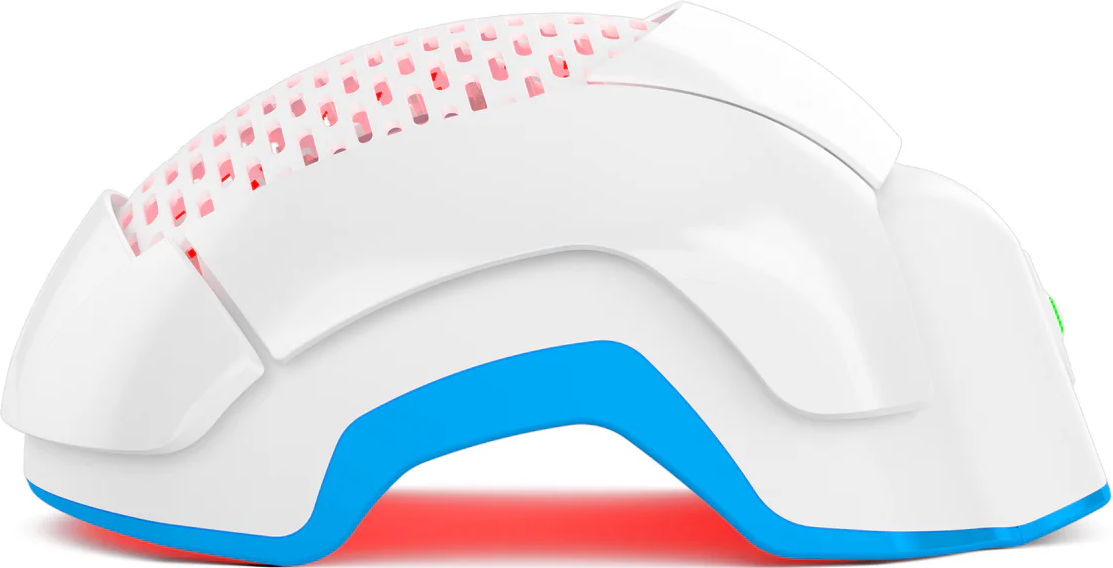
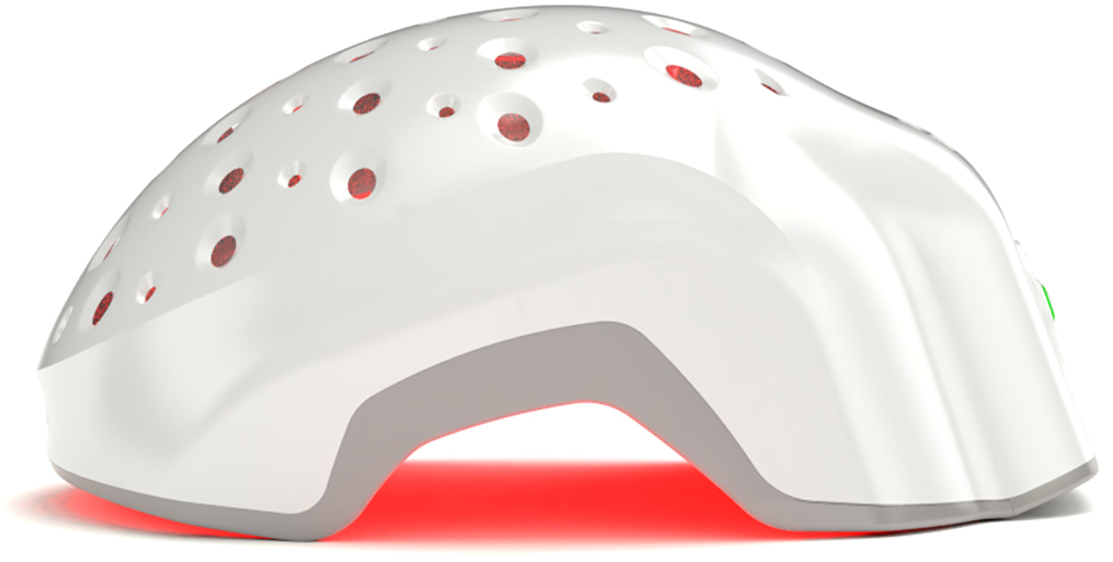
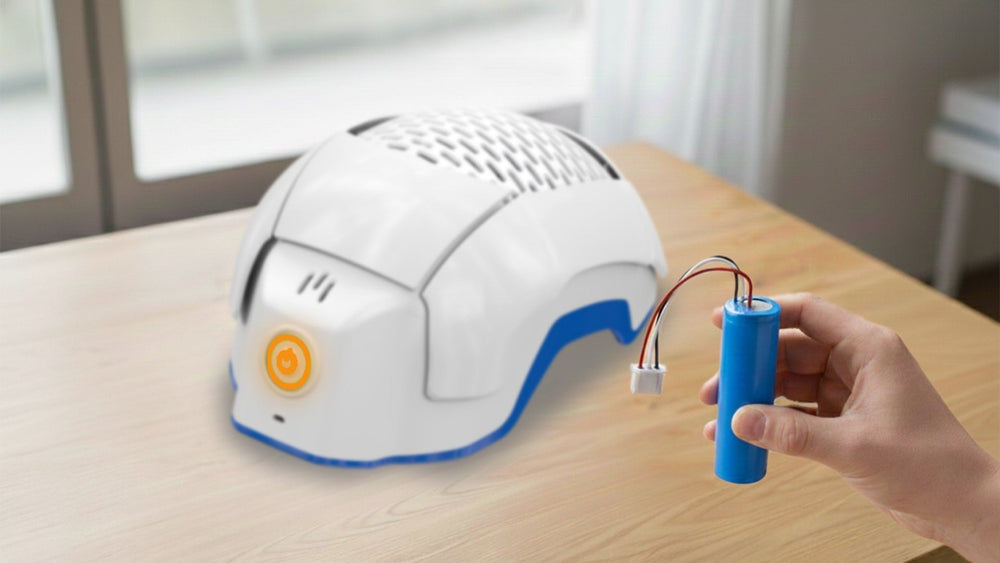
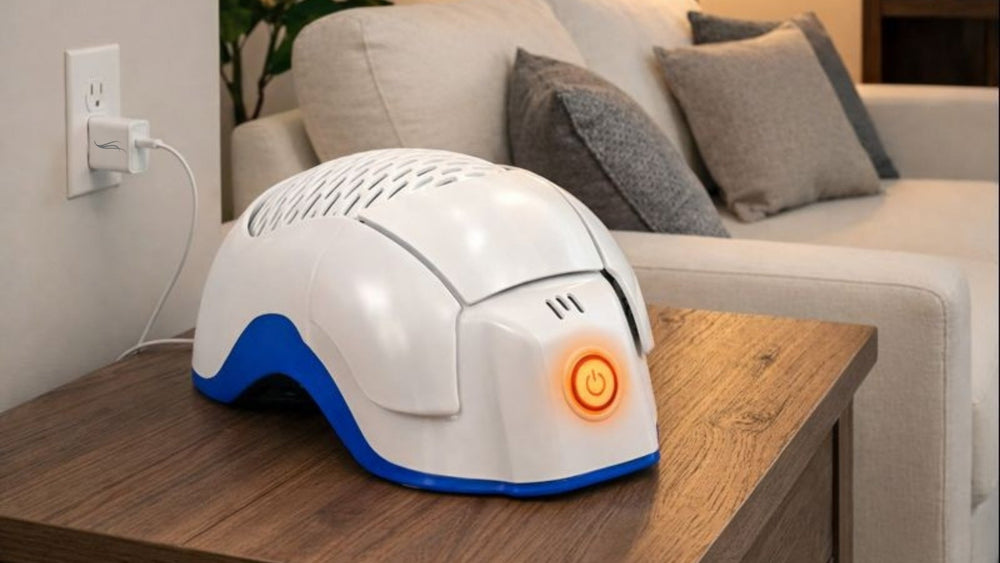
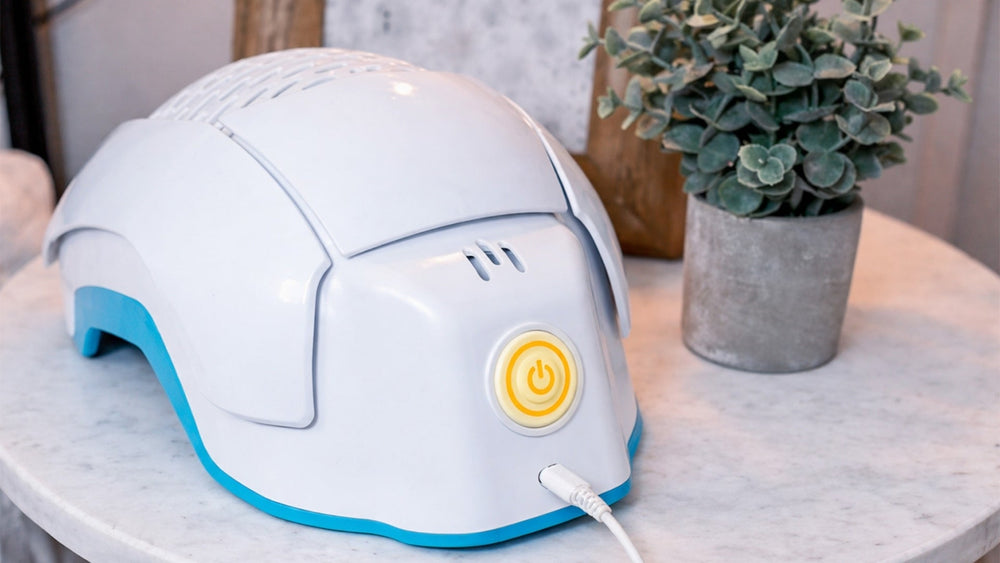
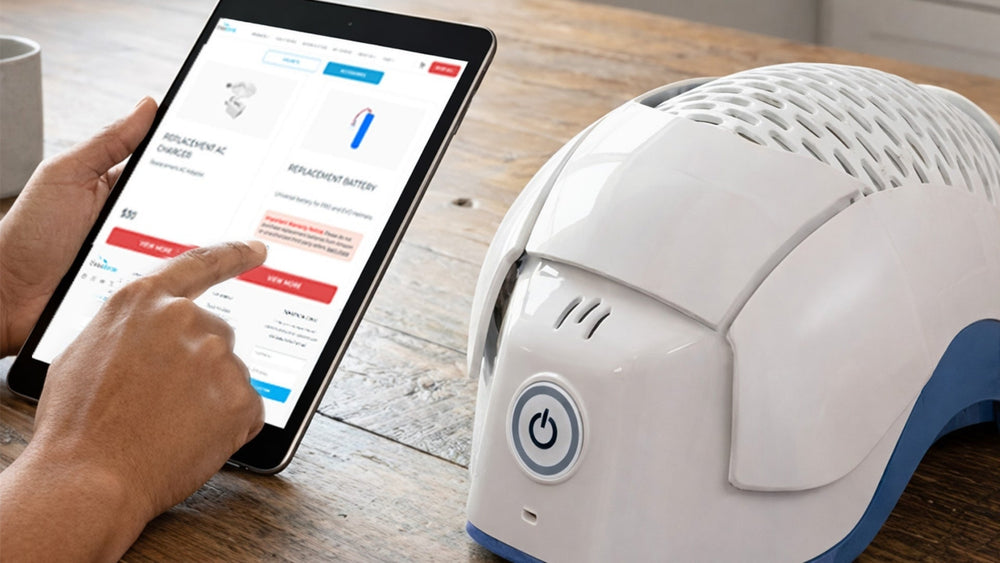
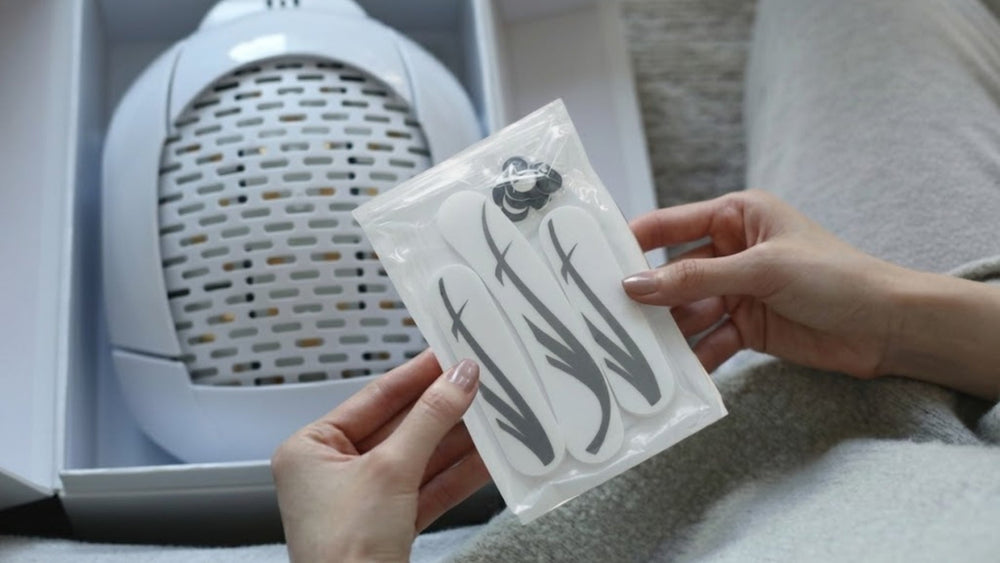
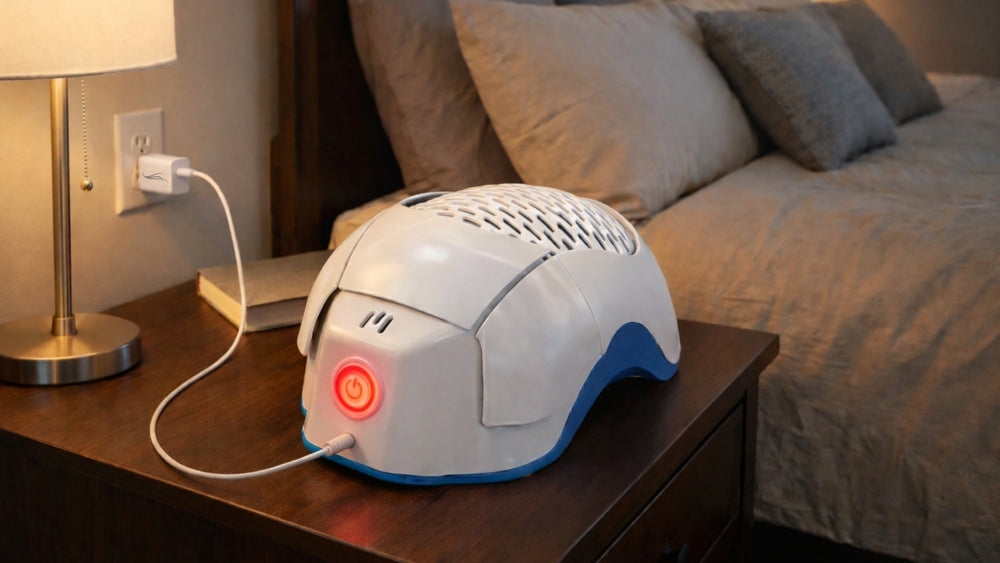
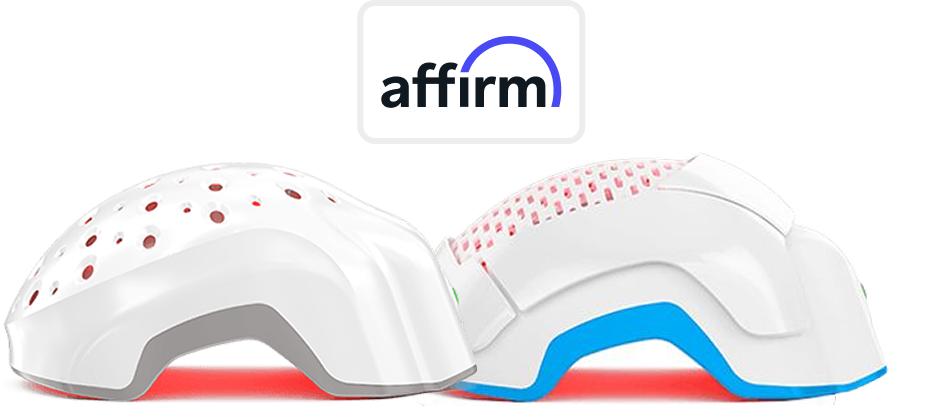
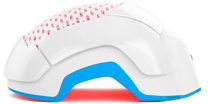
Theradome is an FDA-cleared helmet device using US-made lasers, delivering Low-Level Light Therapy (LLLT) at a wavelength of 680 nanometers to stimulate hair follicles and support healthier, fuller hair over time. Using the Theradome PRO LH80 or Theradome EVO LH40 for 20 minute sessions, most people notice reduced shedding within 8 to 12 weeks of consistent use. For a full at-home regimen, use either helmet alongside the Complete Hair Growth Bundle.
While Theradome will not fix a sleep problem directly, it is an effective option for supporting hair that has been affected by disrupted sleep patterns, alongside better sleep habits. Explore the Theradome laser helmet to get started.