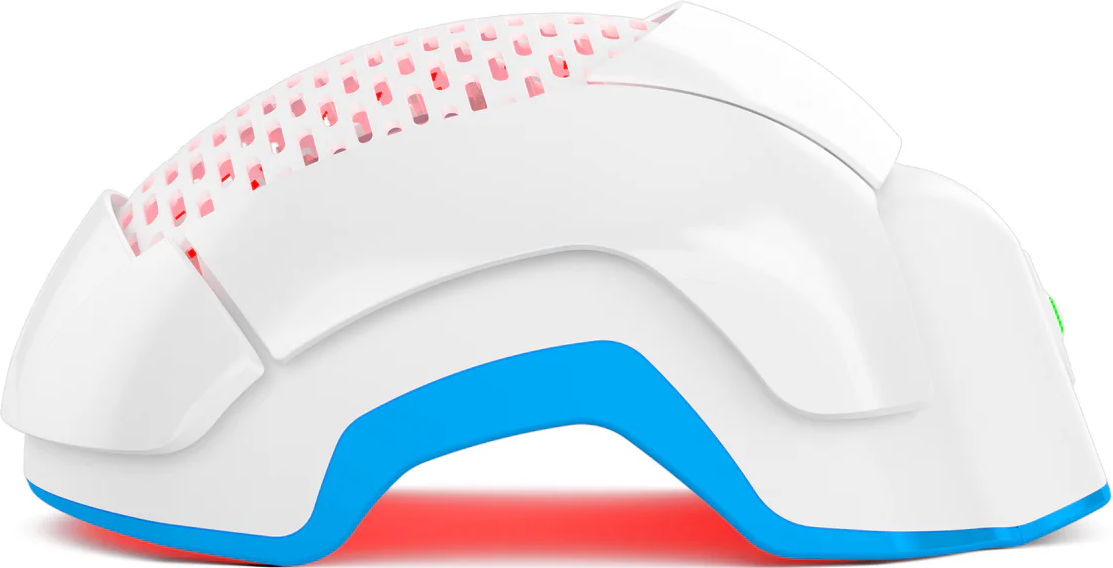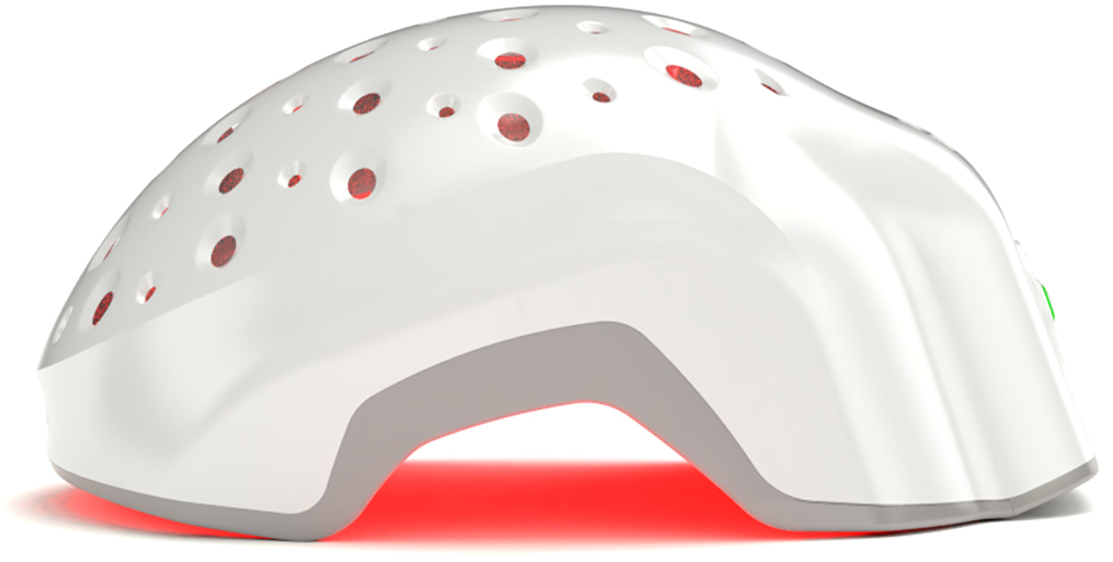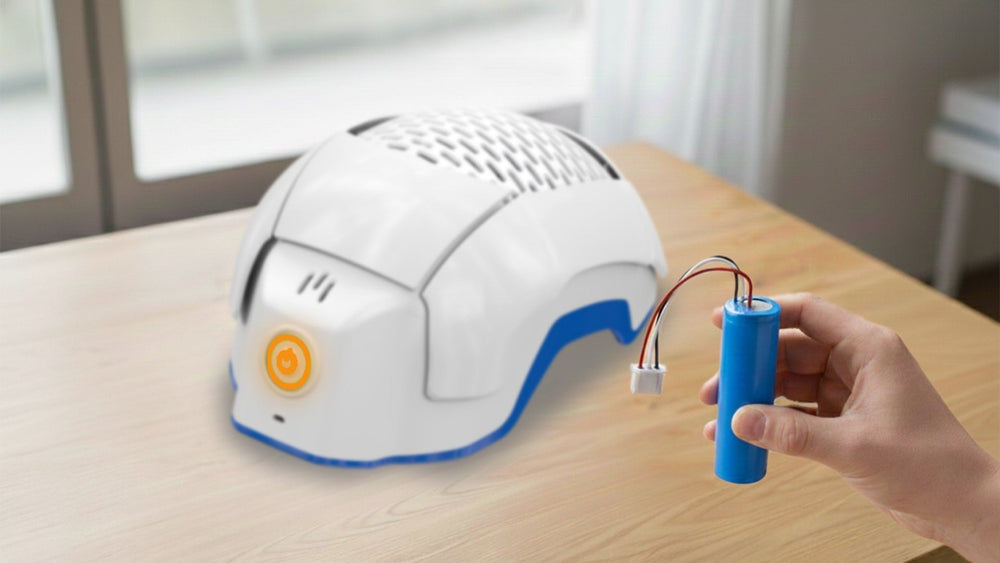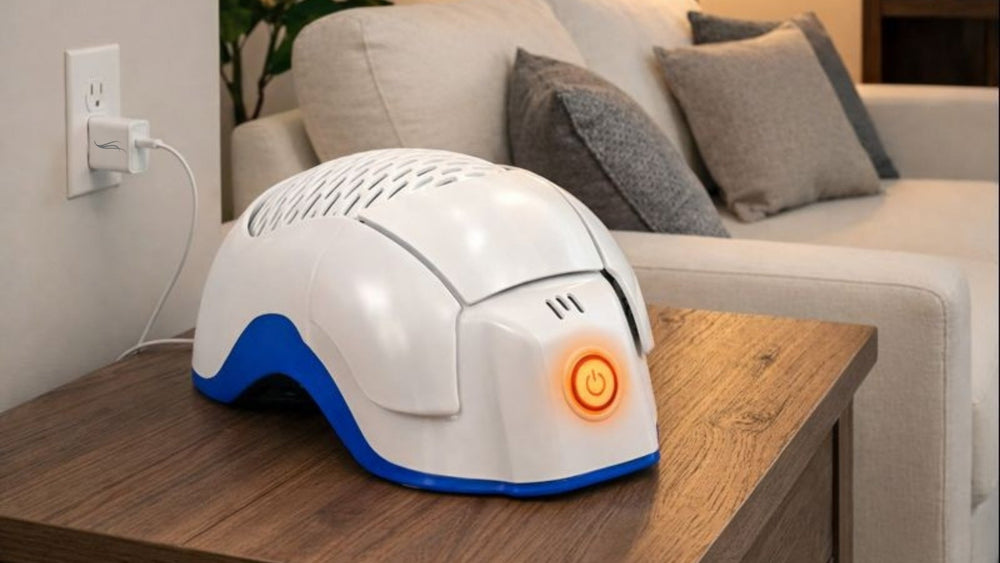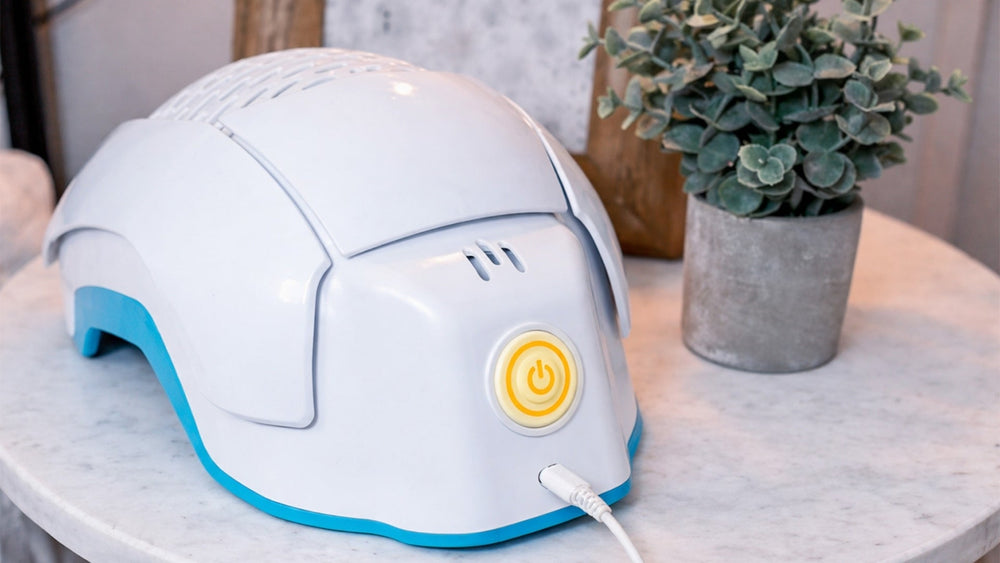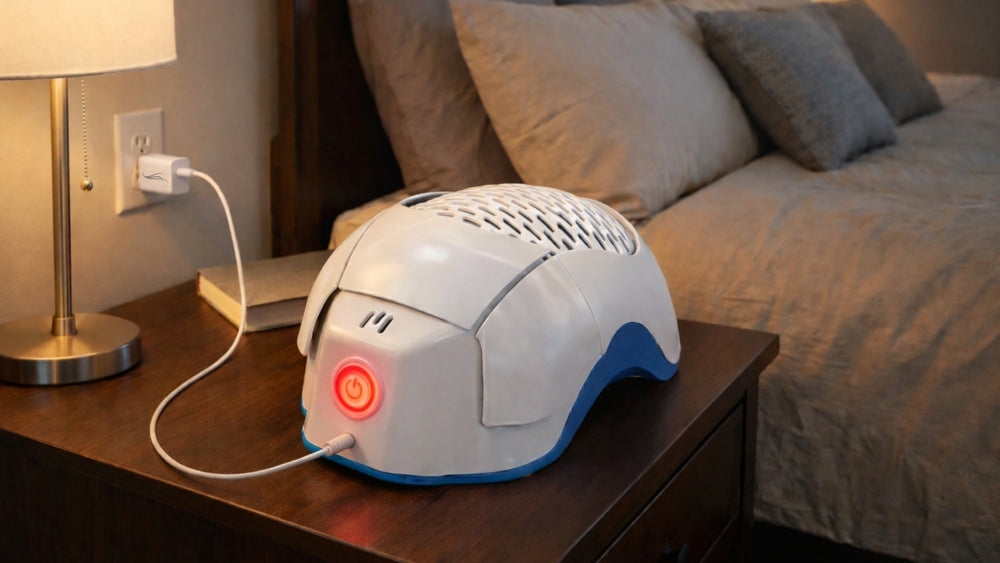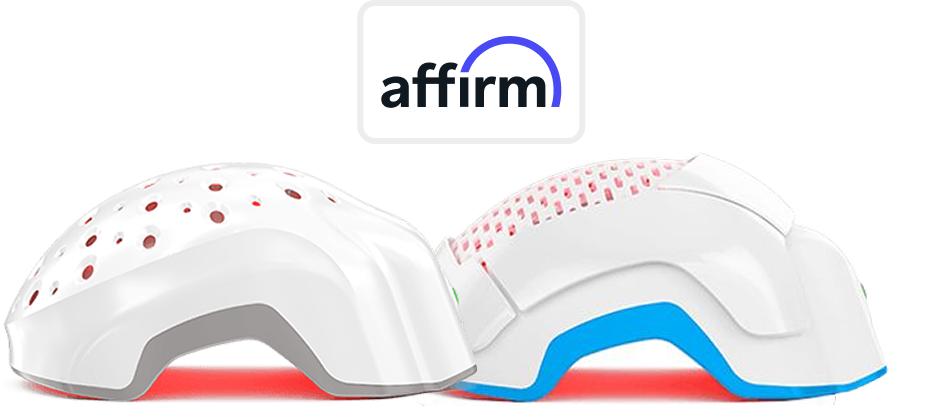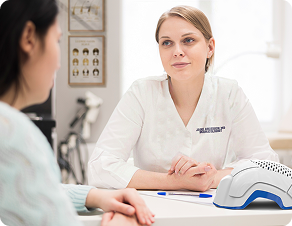

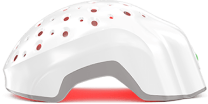





Theradome, an FDA-cleared wearable Laser Phototherapy (LPT) device, is best viewed not as a standalone miracle but as a scientifically grounded adjunct within multimodal hair restoration regimens—especially when combined with therapies like minoxidil, PRP, or surgical interventions to address different facets of androgenetic alopecia.
What Is Multimodal Hair Restoration?
“Multimodal” means layering therapies that target different pathways—not a shotgun approach, but a strategic symphony. We combine methods that fight hormonal triggers, stimulate follicles, modulate inflammation, and support vascular flow.
If AGA (androgenetic alopecia) is a multi-front war on follicles, singular weapons often fail long-term. That’s why modern protocols include drugs, topicals, growth stimulation, and sometimes surgery.
Why Single Treatments Often Aren’t Enough
Minoxidil may stall. Finasteride has side-effect ceilings. PRP delivers bursts of growth but wanes. Many patients hit a plateau. Hair stops improving, sometimes even regresses despite staying consistent.
So, hair loss is multifactorial. To truly reverse or slow it meaningfully, you often need more than one mechanism working at once.
Core Components of Multimodal Hair Restoration Protocols
Here are the usual players in a robust protocol:
Topical therapies (e.g., minoxidil)
- Mechanism: vasodilation, potassium-channel opening, prolongation of anagen.
- Evidence: FDA-approved for AGA; many long-term studies.
- Limitation: plateau after months, topical irritation, need for daily use.
Oral medications (finasteride, dutasteride, spironolactone)
- Mechanism: inhibit DHT conversion, reduce miniaturization.
- Risks: sexual side effects, hormonal monitoring, off-label caution in women.
PRP (Platelet-Rich Plasma)
- Mechanism: growth factors, angiogenesis, stem cell activation.
- Evidence: promising but variable — many uncontrolled studies and fewer high-powered RCTs.
Microneedling
- Mechanism: transient microinjury prompts growth factor release, enhances topical penetration.
- Role: often used to amplify minoxidil or PRP effects.
Hair transplantation
- The surgical anchor: transplants follicles, but requires adjunct support to maintain non-transplanted hair.
Lifestyle & host factors
- Stress, nutrition, smoking, metabolic health—all modulate response.
Theradome: The Science of Laser Phototherapy (LPT)
LPT works by photobiomodulation (also called photostimulation). In short:
- Red/NIR wavelengths (approx. 600–950 nm) penetrate scalp tissue.
- They stimulate mitochondrial cytochrome c oxidase (CCO) → increased ATP, modulation of reactive oxygen species (ROS), signaling cascades favoring cell proliferation and reduced inflammation.
- In follicles, that can encourage telogen → anagen transition, prolong anagen, and improve follicular vigor.
Cold laser safety
These are low-power, nonthermal lasers (Class 3R under FDA device norms) meaning no burning or coagulation risk when used properly.
Theradome’s uniqueness
- Theradome LH80 PRO and LH40 (EVO) hold FDA 510(k) clearances for androgenetic alopecia.
- According to Theradome’s documentation, its lasers emit at 678 nm (±7 nm) with ~5 mW diodes—optimizing scalp penetration while staying within safety bounds.
- Its helmet form gives full scalp coverage, hands-free operation, and uniform energy dosing (versus combs or bands).
How Theradome Complements Other Treatments (Synergy in Action)
Hair restoration is about building alliances. And Theradome, by design, plays well with others. The laser phototherapy it delivers safely complements many of the most common treatments used in both clinical and at-home regimens. Here’s how each pairing works in the real world.
Minoxidil (Rogaine®)
Using minoxidil alongside Theradome is not just safe — it’s often synergistic. Laser phototherapy can help counteract that temporary shedding phase some users experience when starting minoxidil.
Clinical studies suggest that the LLLT + minoxidil combo can outperform minoxidil alone in certain populations, though outcomes vary with adherence and baseline severity.
So, consistent use of both tends to strengthen results, with Theradome supporting follicular energy metabolism while minoxidil extends growth cycles.
Finasteride (Propecia®)
Theradome’s photobiomodulation can safely coexist with oral finasteride. The two target entirely different pathways — one hormonal, one mitochondrial.
Interestingly, some trichologists report reduced finasteride-induced shedding when patients add LPT. While this observation is mostly anecdotal, it aligns with the broader idea that LPT stabilizes follicles during transition phases.
In short, for users already on finasteride, Theradome adds a non-pharmacologic “energy layer” to help sustain density.
PRP Injections and Mesotherapy
Theradome integrates smoothly with PRP and mesotherapy sessions.
While PRP itself isn’t FDA-cleared, clinical dermatology literature supports its use for stimulating hair growth through growth factors and cytokines. Pairing PRP’s biochemical boost with Theradome’s photonic stimulation can, in theory, enhance outcomes by improving scalp microcirculation and cellular recovery between sessions.
Several retrospective analyses suggest the combo yields thicker hair shafts and improved anagen ratios, though RCT data remain limited.
Hair Growth Supplements
Theradome is compatible with most nutritional or botanical hair support supplements.
It won’t interfere with systemic absorption or hormonal balance. The advantage here is indirect: LPT improves follicular metabolism at the local level, while supplements (if evidence-based and nutritionally justified) may optimize systemic substrates.
That said, Theradome’s stance remains clear: supplementation should be guided by lab-verified deficiencies.
Hair Fibers
This one’s more aesthetic than medical, but it matters.
Hair fibers are cosmetic fillers, helping mask thinning zones instantly. Over time, however, consistent Theradome use can help reduce dependency on those fibers. By improving density and shaft caliber in treated areas, LPT gradually makes “concealing” less necessary.
Hair Systems (Weaves, Toppers, Extensions)
Theradome can also play a preventive role here. Regular sessions can mitigate traction-related miniaturization — the slow follicular trauma caused by tight styling, clips, or extension weight.
LPT’s micro-circulatory and anti-inflammatory benefits support scalp resilience, helping offset tension-induced stress. So yes, even if you wear extensions, Theradome remains both safe and restorative when used consistently.
Hair Transplant Surgery
Theradome often enters the picture before and after transplantation.
Pre-operatively, it helps “prime” the scalp, increasing vascular readiness and optimizing graft survival environments.
Post-operatively, multiple studies suggest that ongoing LPT may accelerate healing, reduce post-transplant shock loss, and improve graft uptake.
In essence: it’s a gentle, noninvasive post-surgical ally that keeps follicles metabolically active while the scalp recovers.
The Practical Advantage
Consistency. That’s where Theradome shines.
Unlike daily topical or oral regimens, LPT asks for only a few sessions per week — no mess, no medication fatigue. That simplicity improves compliance, and compliance is everything when it comes to hair restoration success.
So whether you’re pairing it with minoxidil, finasteride, PRP, supplements, or surgical interventions, Theradome safely integrates across modalities to amplify the overall effect — a quiet powerhouse in your multimodal protocol.
Clinical Evidence and Why It Matters
RCTs & Meta-analyses on LPT
- Suchonwanit et al. (2019) performed a 24-week, double-blind, sham-controlled trial showing that helmet-based LPT significantly improves hair density and hair diameter vs sham.
- Lueangarun et al. (2021) meta-analysis combined 7 double-blind RCTs on FDA-cleared devices: found a standardized mean difference (SMD) of ~1.27 favoring LPT vs sham in hair density. JCAD
- Pillai et al. review (2021) covers mechanism + clinical trial data, noting that LPT often performs comparably or as an adjunct to minoxidil. PMC
Combination therapy studies
- In many trials, the benefit magnitude and statistical significance depend heavily on sample size, baseline severity, and adherence.
Timescales & expectations
Most RCTs run between 16–24 weeks; meaningful changes often emerge in that window (density, diameter, photographic improvement).
Safety data
Adverse effects in trials are minimal—some mild scalp tingling, transient shedding, pruritus. No serious AEs reported in the primary laser-Aga literature.
FDA Clearance / Regulatory credibility
-
Theradome LH80 PRO was cleared (510(k)) per K122950 submission.
- LH40 / Thermagrow model also holds OTC clearance (K180460).
- The 510(k) path signifies substantial equivalence to predicate devices in safety/efficacy (not the same as drug approval) but valid for classifying medical devices.
- Device documents confirm use of Class 3R lasers, diode counts, dosing schedules, and performance metrics.
Conclusion
Theradome deserves its place as a scientifically validated adjunct, not a silver bullet. In the complex, multifactorial war of hair loss, LPT is a noninvasive, low-side-effect tool that—when integrated well—can amplify outcomes. As we move toward more personalized, combination-based dermatologic strategies, Theradome is one of the pillars many trichologists rely on.
If you're considering adding Theradome to your regimen, consult a dermatologist or trichologist to tailor the strategy to your AGA pattern, medical profile, and goals.