





More and more people are turning to supplements the moment they notice hair thinning. It’s easy to assume that more products mean better results, but that approach can backfire. When it comes to supporting healthy hair, targeted treatments work better than piling on everything you find.
Trying every trendy supplement might offer small advantages, but it also puts unnecessary stress on your hair and overall health. And while it would be convenient if a simple fish oil pill could stop hair loss, the reality isn’t quite that straightforward.
In this guide, we’ll break down the supposed best supplements for hair growth, including what they claim to do, what the research actually shows, as well as what both men and women should keep in mind before adding them to their routine.
What are the Best Supplements for Hair Regrowth?
Vitamin D
Low vitamin D levels have been observed in those experiencing telogen effluvium, i.e., a form of temporary hair shedding which follows stress or illness, as well as those with alopecia areata, an autoimmune disease. Deficiency has also been reported in cases of female pattern hair loss and teenage hair loss. Altogether, these findings point to a possible connection between vitamin D and hair health.
Going further, a 2019 study found that adding small amounts of vitamin D to the diet eased symptoms of androgenetic alopecia and telogen effluvium. At the same time, the researchers noted inconsistent results when looking at vitamin D levels in women with pattern hair loss, leaving the relationship unclear.
A 2021 review likewise reinforced the idea that vitamin D is involved in the hair growth cycle and that deficiency contributes to hair thinning. However, it did not find strong evidence that vitamin D supplements reliably treat or reverse hair loss.
In short, vitamin D appears to be linked to hair biology, but experts haven’t reached an agreement on whether supplementation is a guaranteed solution to meaningfully restore hair growth.
Biotin
Biotin, a member of the B-vitamin family, allows the body to convert nutrients into energy and supports the production of proteins. Because keratin (the main structural protein in hair, skin, and nails) depends on biotin, the supplement has become a popular choice for those hoping to improve hair growth. But popularity doesn’t necessarily equal proven results.
Despite widespread claims, scientific research hasn’t shown that biotin reactivates dormant hair follicles. At best, biotin could strengthen existing strands, but it doesn’t create new ones. Many studies examining biotin and hair health have been either low-quality or too small to draw solid conclusions, and several involved supplements which combined biotin with other nutrients, making it difficult to determine whether biotin alone had any effect.
Another important point is that biotin deficiency is extremely uncommon. Most people get more than enough from their everyday diet, which means additional supplementation generally isn’t necessary. In fact, the FDA hasn’t even set a recommended daily intake because true deficiency is so rare.
The bottom line is, there’s little evidence that biotin supplements support hair regrowth. The continued marketing of biotin for hair health is driven more by consumer demand than by strong clinical data, and many healthcare providers who recommend it are leaning on popular belief rather than confirmed scientific benefits.
Iron
Iron has an essential part in producing hemoglobin, which is the protein that enables red blood cells to deliver oxygen throughout the body. When iron levels drop, hemoglobin production decreases as well, therefore reducing the amount of oxygen reaching the hair follicles. Because follicles need oxygen to function properly, low iron slows hair growth and increases shedding.
Iron deficiency is fairly common, and the hair loss it causes resembles male or female pattern balding in that people notice more strands coming out in the shower, extra hair in their brush, or even visible thinning and bald spots. The positive side is that iron-related hair loss improves once iron levels return to normal.
Still, iron isn’t a supplement to take casually. Excess iron is toxic, which is why it’s crucial to confirm a deficiency before starting treatment. A ferritin blood test done by a doctor will determine whether your iron stores are low enough to warrant supplementation. Those diagnosed with anemia, especially menstruating women, are advised to take iron supplements and increase their intake of iron-rich foods.
What you should get from all this is that iron supplements should only be used when a true deficiency is present. Taking iron ‘just in case’ won’t help with hair loss and will lead to dangerous iron overload.
Plant-based procyanidins
Procyanidins are a group of plant-based compounds found in many fruits, vegetables, and herbs. Two of the most discussed in relation to hair supplements are curcumin and quercetin, both known for their antioxidant and anti-inflammatory effects.
Curcumin
Curcumin, the active compound in turmeric, has attracted attention for its potential role in supporting hair health. One proposed mechanism is its ability to regulate levels of DHT, a hormone which contributes to follicle shrinkage and thinning in those who have genetic hair loss. Curcumin’s particular properties also maintain a healthier scalp environment.
Yet, research on curcumin and hair growth is still limited. A 2012 study reported encouraging results, but the formula tested combined curcumin with minoxidil (Rogaine), making it difficult to determine curcumin’s independent effect. A 2017 study found similar benefits using a curcumin-containing essential oil blend. So far, all positive findings come from combinations, not curcumin alone.
Quercetin
Quercetin is another known for its ability to influence cellular function, including processes tied to growth and repair. Early lab studies suggest that quercetin enhances hair shaft growth, producing results comparable to minoxidil when applied directly to isolated human hair follicles.
Additional research in mice has shown promise for quercetin in treating androgenetic alopecia, and more recent data suggests it helps with alopecia areata as well. Although, nearly all of this research has taken place in laboratory settings or animal models, and not in large, controlled human trials.
Anti-androgens (saw palmetto)
Saw palmetto is an herbal supplement made from the berries of the saw palmetto palm. It’s marketed as a natural anti-androgen because it interferes with the enzyme responsible for converting testosterone into DHT. Since, as we mentioned, DHT is a major factor in shrinking hair follicles, reducing its activity could, in theory, support hair growth.
Saw palmetto used to be viewed as a natural alternative to finasteride (Propecia), but this comparison doesn’t hold up due to how finasteride works by lowering DHT levels by roughly 65%. Saw palmetto, on the other hand, does not work systemically in the same way. At most, it slightly limits DHT’s ability to bind to receptors in the scalp, which is a far less potent mechanism.
Research on saw palmetto remains limited. One small study found that about half of participants experienced an almost 12% increase in hair count after four months of supplementation. While that’s promising, the findings are not strong enough to establish saw palmetto as a proven treatment. Larger, well-controlled studies are needed to confirm whether these effects are consistent and directly attributable to the supplement.
So, Do Supplements Actually Help Hair Loss?
Certain nutrients are integral to normal hair growth, so when someone isn’t eating enough protein or is following an extremely restrictive diet, hair becomes dull, weak, and will shed. In such cases, correcting the nutritional imbalance helps restore healthier-looking hair.
But for most people who eat a balanced diet, the body already receives more than enough of these nutrients. A single daily multivitamin (if needed at all) provides far more than the minimum required for basic hair and scalp health.
Ultimately, for all the marketing hype, there’s no supplement which reverses hair loss or produces regrowth on its own. Good nutrition supports overall well-being, and that includes the condition of your hair, but supplements aren’t a substitute for medically proven treatments. Any benefits they provide tend to be small and only noticeable in individuals who were deficient to begin with.
It’s also important to understand that male and female pattern hair loss is not strongly influenced by diet or nutrition. While the discovery of vitamins and minerals during the industrial age dramatically improved public health by reducing deficiency-related diseases, this progress did not translate into a nutritional solution for pattern hair loss.
As food fortification became widespread, balanced diets became the norm in much of the world, and overall health improved. Vitamins and minerals are essential for normal bodily function, but their role in hair loss prevention is overstated. Ensuring adequate nutrition supports general health, and by extension, the scalp and hair, but there is no specific diet, vitamin, or supplement that can meaningfully reverse hair loss.
This is supported by studies of chronically malnourished populations in India that have not shown unusually high rates of hair loss. Similar observations were made among prisoners in World War II concentration camps, where severe starvation did not result in hair loss rates significantly different from those seen in the general population. These admittedly extreme examples highlight how limited the role of nutrition truly is in pattern hair loss.
It’s also worth remembering that the visible hair shaft itself is biologically inactive. Meaning, the processes that determine hair growth and loss occur beneath the scalp, where they are governed by complex genetic and hormonal mechanisms, and not by additional vitamins once basic nutritional needs are met.
Hair Supplements vs. Low-Level Laser Therapy
When people first notice thinning hair, they’ll instinctively reach for supplements in hopes of a quick fix. This leads to taking multiple products at once, an approach which quickly drains time, money, and patience. There’s also the added risk that some supplements contain low-quality ingredients, poor-absorption formulations, or unwanted contaminants, all of which damage the body.
After months of little to no improvement, frustration understandably grows. It’s for this reason why low-level laser therapy (LLLT) is increasingly recommended as an earlier intervention. LLLT has been studied extensively, and research consistently shows its ability to support hair growth across various types of hair loss. Not to mention, it is also more cost-effective than continually purchasing supplements with uncertain benefits.
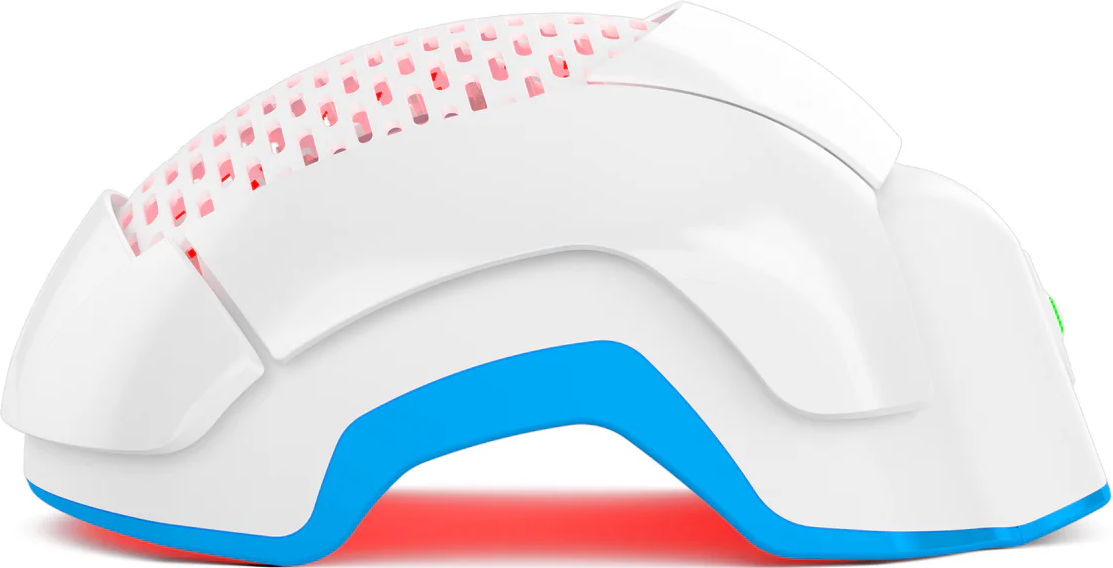
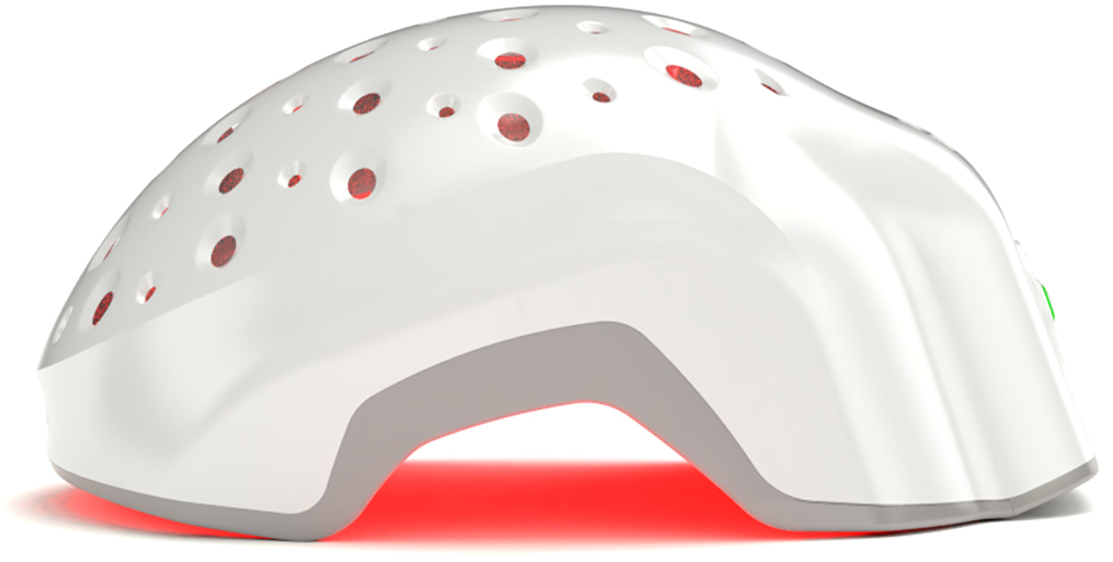
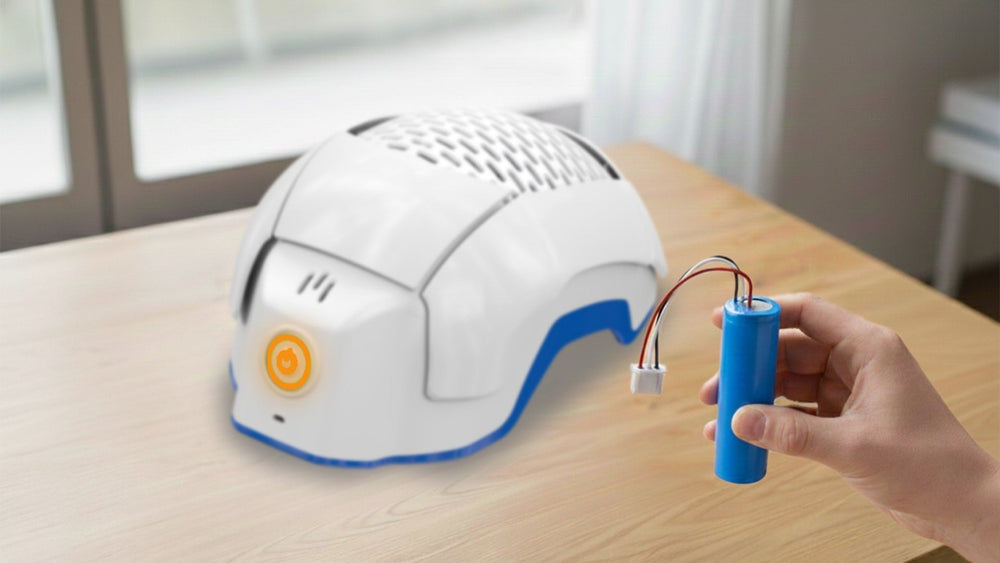
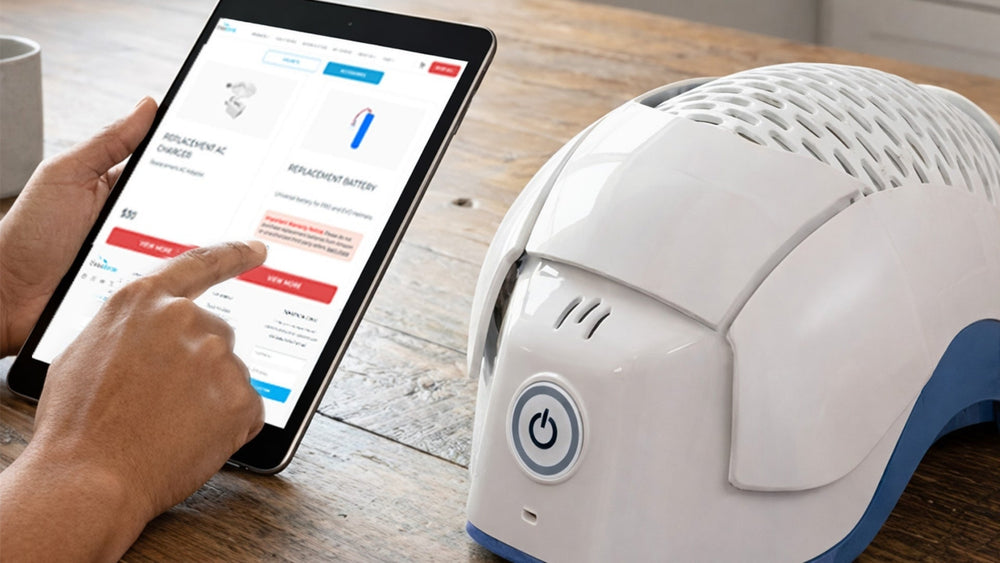
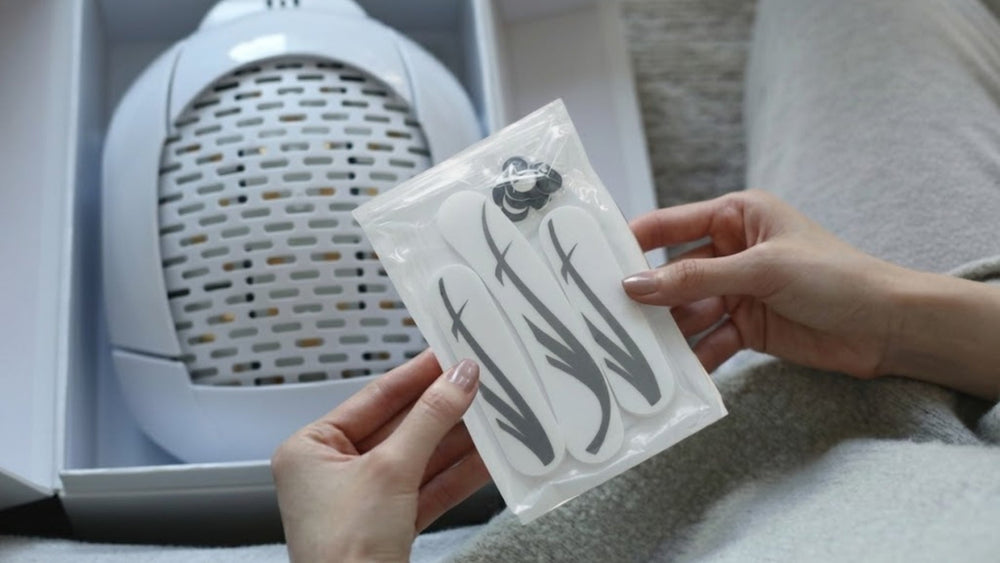
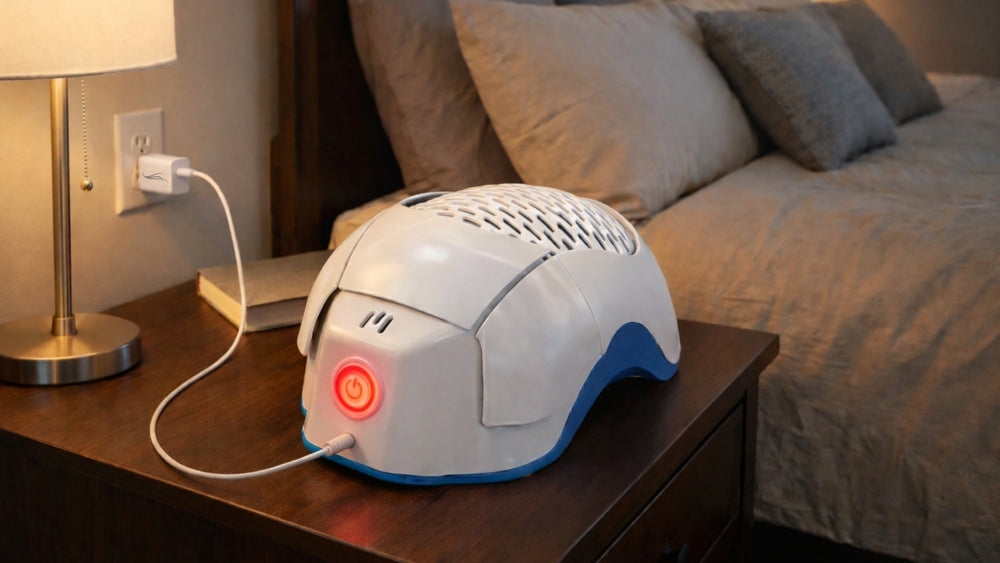
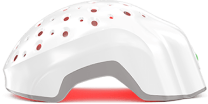
Devices such as the Theradome PRO LH80 and EVO LH40 are FDA-cleared, designed for home use, and provide full-scalp coverage without side effects. Their lightweight, cordless design makes them easy to integrate into a daily routine, and they have a 98% satisfaction rate. LLLT thereby stands out as a science-backed, long-term option for those who want to improve hair thickness.