







Magnesium is important for the body, and hair follicles do rely on magnesium-dependent processes like protein synthesis and cellular energy production. But current evidence does not show that magnesium is a stand-alone hair regrowth treatment for common hair loss patterns, and it seems most relevant when someone is actually low in magnesium or generally undernourished.
Why Magnesium Keeps Showing Up in Hair Loss Conversations
Magnesium gets mentioned in hair conversations because it is not some obscure trace compound hiding in a dusty corner of biochemistry. It is a cofactor in more than 300 enzyme systems, including systems involved in protein synthesis, nerve and muscle function, glucose handling, and energy metabolism. Hair follicles are metabolically busy little structures, so it makes intuitive sense that people start connecting magnesium to hair.
And that intuition is not ridiculous. It is just incomplete.
A nutrient can be necessary for normal biology without being a direct treatment for a specific hair disorder. That distinction gets flattened online all the time. Something supports cells, therefore it must regrow hair. Something is low in some people, therefore everybody with shedding should buy a bottle tonight. You can see how that goes sideways pretty fast.
Recent reviews on androgenetic alopecia keep circling back to nutrients like iron, vitamin D, zinc, and some B vitamins far more often than magnesium. That does not mean magnesium is irrelevant. It does mean the magnesium-specific hair data are much thinner than the marketing copy would have you believe.
What Magnesium Actually Does in the Body (And Where Hair Fits In)
Cellular Energy and Follicle Activity
Magnesium is required for many reactions involving ATP, the molecule cells use to handle and transfer energy. Hair follicles need energy because growing hair is an active process, not a decorative side quest the body runs in the background. Follicular cells divide, differentiate, build keratin, and keep cycling through growth and rest phases. That takes metabolic work.
But we should be careful here. “Hair needs energy” does not automatically mean “extra magnesium will restart hair growth.” It only tells us that magnesium is part of the normal machinery.
Protein Synthesis and Keratin Formation
The hair shaft is made mostly of keratin, and magnesium helps regulate biochemical reactions tied to protein synthesis. That is one reason magnesium gets described as supportive for hair structure and growth. If your body is not handling core nutrient processes well, hair can absolutely be one of the tissues that shows it.
Still, this is where a lot of supplement content gets slippery. Supporting protein synthesis is not the same thing as reversing androgen-driven follicle miniaturization. A brick is useful. A pile of bricks is not automatically a house.
Cell Division and Growth Cycle Support
Magnesium is also involved in DNA and RNA-related processes and in general cell function, which matters because hair matrix cells are rapidly dividing. In plain English, follicles are busy tissue, and busy tissue tends to care when the body is short on essentials.
That is why magnesium belongs in the “supportive physiology” bucket. Not the “main fix for most hair loss” bucket. Different shelf entirely.
So… Can Magnesium Actually Regrow Hair?

Not based on the evidence we have right now.
The cleanest answer is that magnesium may support the biological background conditions hair relies on, but there is no strong clinical evidence showing that magnesium by itself reliably regrows hair in common alopecia settings. In a randomized clinical trial involving women with PCOS, magnesium supplementation did not significantly improve alopecia. The authors even noted that a meta-analysis had found magnesium deficiency was not a risk factor for hair loss.
That matters.
Magnesium is not nothing. It is just not the star of the show in most cases.
And if someone has androgenetic alopecia, the main issue is not “your follicle forgot magnesium exists.” The main issue is genetic and hormonal susceptibility, especially how follicles respond to androgens over time.
When Magnesium Does Matter for Hair
Where magnesium becomes more relevant is in inadequacy or deficiency. The NIH Office of Dietary Supplements notes that many people in the United States consume less than recommended amounts, and some groups are more likely to have magnesium inadequacy. If the body is short on a mineral involved in protein synthesis and energy handling, hair can wind up in the collateral damage zone. Hair is not vital tissue, so the body does not always treat it like a priority during physiological stress.
That said, magnesium deficiency is not one of the classic first things dermatologists hang a hair-loss diagnosis on. When dermatologists talk about nutrition and hair loss, they more often flag iron deficiency, protein insufficiency, and certain other deficiencies depending on the pattern and history. So if magnesium is involved, it is often part of a wider picture rather than a dramatic solo villain.
Who Is Actually at Risk
Certain groups are more likely to have magnesium inadequacy, including people with gastrointestinal diseases, type 2 diabetes, alcohol dependence, and older adults. Urinary losses can also rise in some metabolic states, and poor intake obviously does not help.
Then there is the messy real-life part. Restrictive dieting. Chronic illness. Stressful periods with terrible eating. Medication issues. The sort of months where dinner becomes coffee and vibes. Those patterns can stack up and make nutrient gaps more plausible, even if the hair loss itself still has more than one driver.
Why Magnesium Alone Doesn’t Fix Most Hair Loss
Androgenetic Alopecia (Pattern Hair Loss)
If the problem is androgenetic alopecia, magnesium is not addressing the main mechanism. Pattern hair loss is tied to genetic predisposition and androgen signaling, especially follicular sensitivity that leads to progressive miniaturization. In that setting, magnesium may support general health, but it is not correcting the core problem.
That is why evidence-based treatment plans for pattern loss usually center on agents like laser phototherapy, minoxidil, finasteride for appropriate male patients, and in some cases other adjuncts rather than mineral supplementation alone.
Telogen Effluvium
Telogen effluvium is different. This is excess shedding, often after a stressor such as illness, childbirth, rapid weight loss, high stress, or another shock to the system. Here, nutritional issues can matter more because telogen effluvium is often about the body shifting resource allocation after stress.
So could magnesium help in telogen effluvium? It can help if magnesium inadequacy is part of a broader deficiency pattern or stress-related nutritional drop. But again, the evidence does not support treating magnesium like a universal anti-shedding switch.
Alopecia Areata
Alopecia areata is an autoimmune disease. The immune system targets hair follicles, leading to patchy or more extensive hair loss. Reviews of micronutrients in alopecia areata have focused more on vitamin D, zinc, and folate than on magnesium. So magnesium is not where the strongest discussion sits here either.
Which brings us back to that earlier point. Supportive biology is one thing. Condition-specific treatment is another.
Magnesium vs Other Nutrients for Hair Loss
When dermatologists and reviews talk about nutrition in hair loss, magnesium is usually not the first nutrient with the strongest direct clinical trail. Iron, protein, vitamin D, zinc, and selected B vitamins get more attention, depending on the hair loss type and the patient’s history.
That does not make magnesium unimportant. It just places it correctly. Magnesium is often a background player. Iron deficiency or protein insufficiency can be much louder when it comes to shedding or poor hair output. The American Academy of Dermatology even tells patients that not getting enough nutrients such as iron or protein can lead to hair loss, and warns that random supplementation can backfire.
Honestly, that is a useful mental reset. Some nutrients are more “check me early.” Magnesium is more “keep me in the broader clinical picture.”
Should You Take Magnesium for Hair Growth?
Magnesium supplementation makes sense when there is a plausible reason you are not getting enough, when your intake is poor, when risk factors are present, or when a clinician thinks inadequacy is likely. The NIH lists adult RDAs at 400 mg for men aged 19 to 30, 420 mg for men 31 and older, 310 mg for women aged 19 to 30, and 320 mg for women 31 and older. Good food sources include pumpkin seeds, chia seeds, almonds, spinach, beans, and whole grains.
If you are correcting a real gap, that matters for overall health. It may also remove one quiet drag on hair quality or recovery. That is reasonable.
When It Likely Won’t Help Much
If you already get enough magnesium and your hair loss is being driven by androgenetic alopecia, alopecia areata, traction, or another non-magnesium issue, supplementation is unlikely to be the thing that changes the trajectory. That is where people burn money and then blame their scalp, their shampoo, the moon… everybody except the actual diagnosis.
Also, supplements are not harmless just because they sit beside protein powder and a smug water bottle. High-dose supplemental magnesium can cause diarrhea, nausea, and abdominal cramping, and magnesium can interact with medications such as tetracycline and quinolone antibiotics, bisphosphonates, diuretics, and proton pump inhibitors. The tolerable upper intake level for supplemental magnesium in adults is 350 mg per day unless a clinician is directing otherwise.
Best Ways to Maintain Healthy Magnesium Levels
Diet First
Food first still makes the most sense for most people. Green leafy vegetables, legumes, nuts, seeds, and whole grains are reliable magnesium sources, and they come bundled with other nutrients your follicles may care about too. Pumpkin seeds, chia seeds, almonds, spinach, black beans… boringly solid choices, which is usually where real nutrition lives anyway.
Supplements, Without the Circus
If food intake is low or inadequacy is suspected, supplements can help fill the gap. The NIH notes that magnesium comes in multiple supplemental forms, and some are absorbed better than others, but for hair there is no strong evidence that one trendy form has special regrowth powers. A fancy label is still just a fancy label unless the evidence says more.
Stress and Depletion
Stress is a bit of a trickster here. It can trigger shedding through telogen effluvium, and long rough stretches can also worsen eating patterns, sleep, and general health habits. So while stress management is not a magnesium treatment per se, it absolutely matters in the broader hair picture.
Where Most People Get Stuck
They keep asking one nutrient to do a whole diagnosis.
That is the trap.
Hair loss makes people understandably impatient. Something falls out of your body every day, in public, on your shirt, in the shower, on the pillow, and suddenly a single mineral starts sounding emotionally convenient. But hair loss is often multifactorial. Pattern loss, shedding, autoimmunity, styling tension, endocrine issues, illness, weight changes, medication effects, protein intake, iron status… this is rarely one clean little button.
Which is why the AAD keeps saying to get the cause identified instead of guessing from the supplement aisle. It is not glamorous advice. It is just the advice that wastes the least time.
Internal Support vs Direct Follicle Stimulation
Magnesium sits mostly on the internal support side of the conversation. It helps the body run processes follicles depend on. What it does not necessarily do is directly push an idle follicle toward better output in the way a targeted hair-loss treatment might.
And that is where the conversation shifts a bit.
Where Laser Phototherapy (LPT) Fits
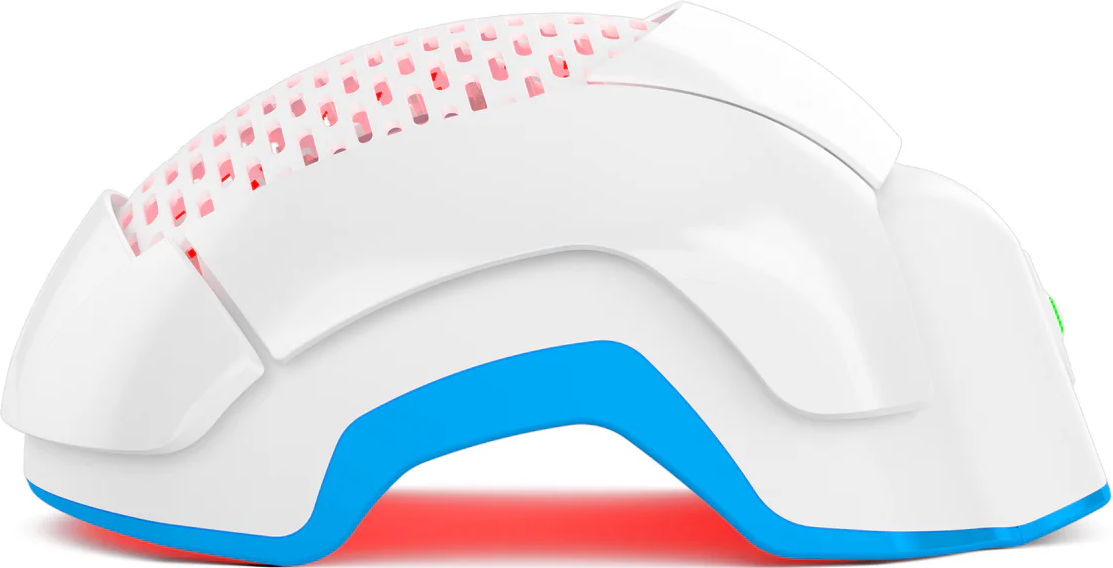
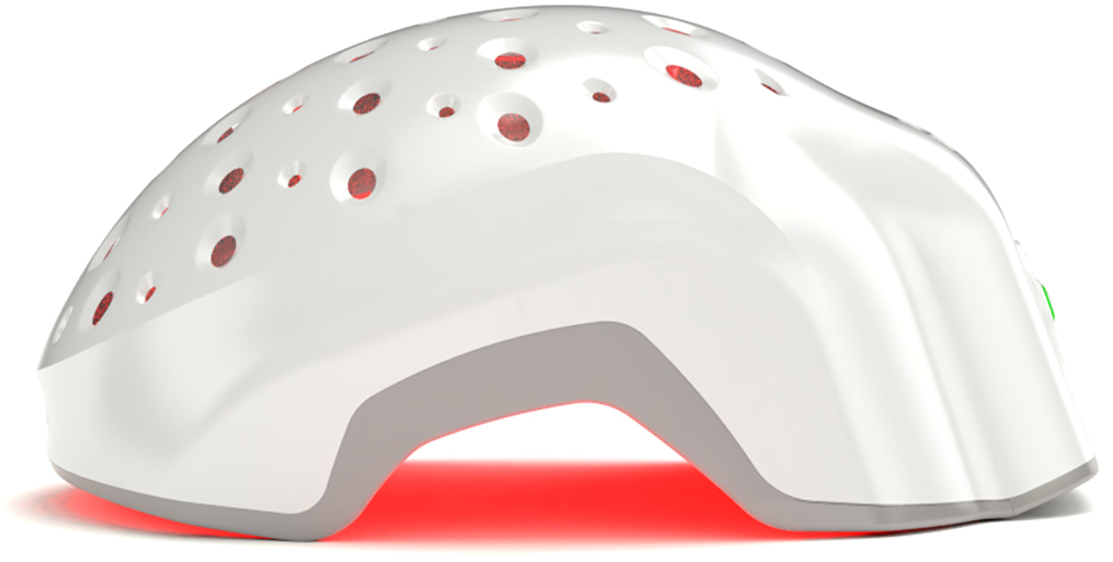
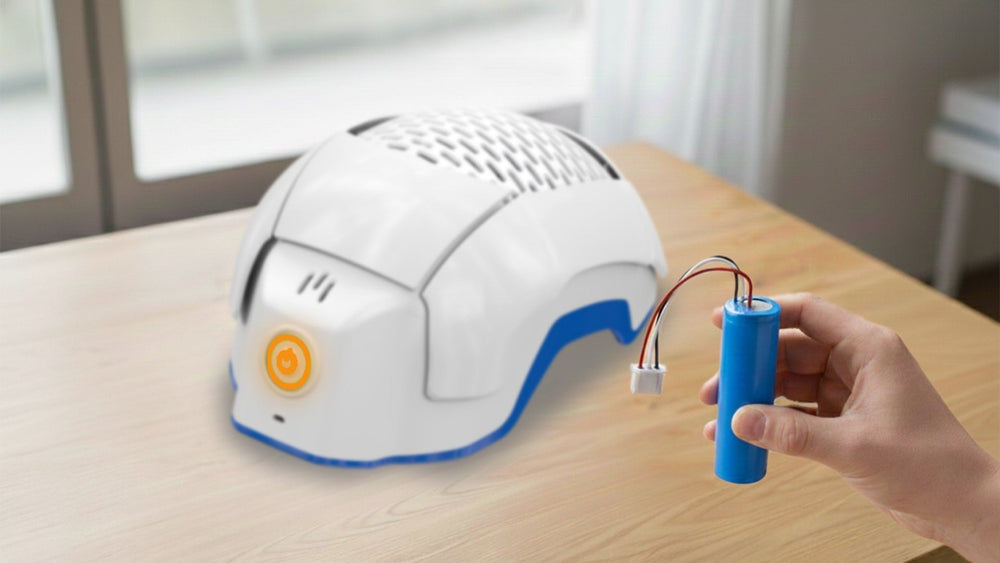
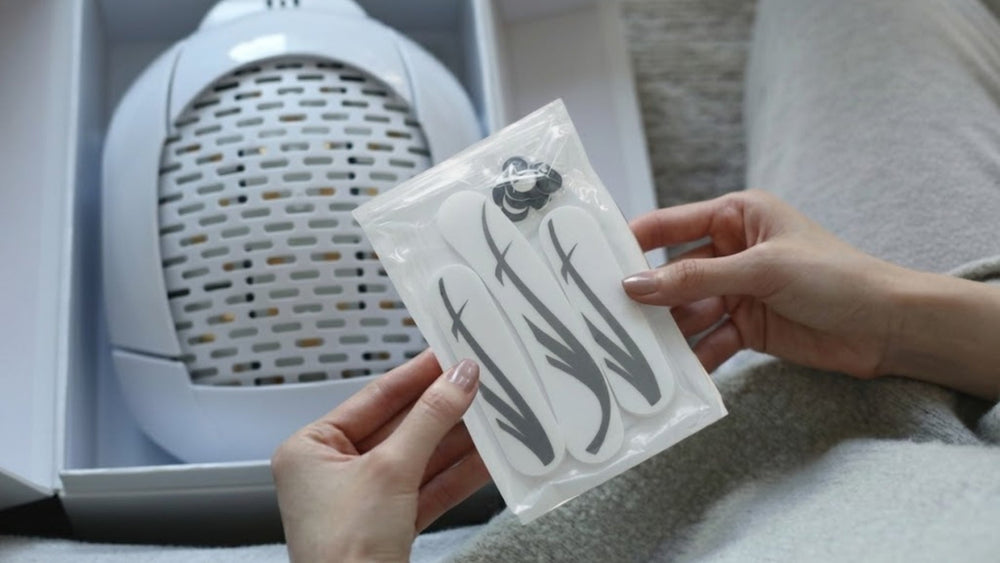
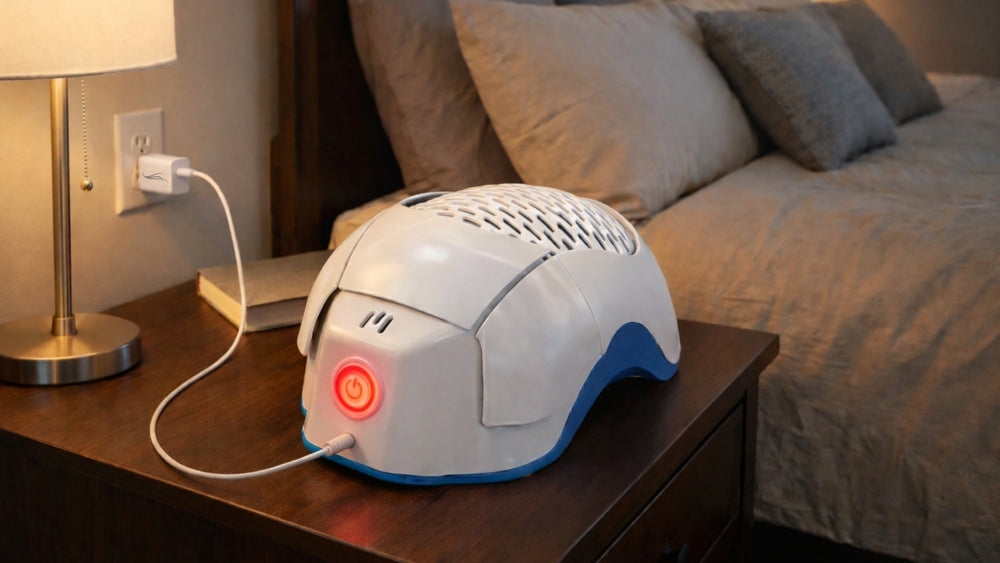
Laser Phototherapy, the term we prefer when talking about this class of treatment, is part of the broader photobiomodulation / low-level light therapy literature. Reviews and randomized controlled trials suggest these devices can improve hair density in androgenetic alopecia, with significant gains compared with sham devices in several studies and meta-analyses. Proposed mechanisms include promoting anagen re-entry, prolonging anagen duration, and increasing proliferation in active follicles.
It is also worth saying plainly that this is not the hot, destructive laser people tend to picture from films or surgical settings. In the hair literature, we are talking about low-level light / laser treatment intended to stimulate biological responses without heat-based tissue injury.
Why Combining Both Can Make Sense
Magnesium can help support the body’s baseline machinery when intake is inadequate. Laser Phototherapy can directly target follicle behavior in pattern hair loss with a stronger evidence base than magnesium supplements alone. One is background support. The other is a more direct hair-focused intervention. Different jobs. Same head. .
Is Magnesium Worth It for Hair Growth?
Magnesium is worth respecting. Not worshipping.
If you are low in it, or at risk of inadequacy, getting your magnesium intake back into a healthy range is sensible and may help the overall conditions your hair depends on. But if you are dealing with patterned thinning, autoimmune hair loss, or shedding from another clear cause, magnesium is probably not the main thing your follicles have been waiting for.
Conclusion
Magnesium is good for the body and relevant to hair biology, mainly because follicles depend on energy use, protein synthesis, and healthy cell function. What current evidence does not support is treating magnesium as a proven regrowth fix for common hair loss on its own. If intake is low, correct it. If hair loss is ongoing, get the cause identified. And if the issue is pattern loss, a broader plan often makes more sense than asking one mineral to carry the whole burden.