






Ever notice how your hair behaves differently the moment you land somewhere new? One trip leaves it smooth and bouncy. The next, it’s flat, frizzy, or impossible to manage. That sudden shift isn’t in your head, it’s environmental.
Hair is incredibly reactive, so changes in humidity, water quality, temperature, and air pollution alter its texture and appearance almost immediately. While your body takes days to adjust to a new climate, your hair responds within hours.
Let’s break down why that happens, and what’s actually changing behind the scenes.

Why is my hair different when I travel?
Humidity
One of the biggest reasons your hair behaves differently when you travel is humidity due to how hair naturally interacts with the moisture in the air around it, and so small changes have noticeable effects on texture and shape.
In humid destinations such as Singapore and Honolulu, the air contains a high level of moisture, and hair absorbs that moisture easily, which causes the internal bonds in each strand to shift. As the hair shaft swells, definition softens, curl patterns loosen or tighten unpredictably, and frizz becomes more pronounced. Even hair that is normally straight expands and loses its sleekness in these conditions.
Dry climates have the opposite effect in that places like Colorado and Wyoming have low humidity, meaning the air constantly pulls moisture away from your hair, leaving strands feeling lighter but also rougher and more fragile. Static becomes more common, ends feel brittle, and hair looks flatter at the roots while lacking softness through the lengths.
Water quality
Another major factor is the water you’re washing your hair with, and the difference isn’t subtle, your hair senses it instantly.
In areas with hard water (e.g. Phoenix or many parts of the UK) tap water contains a high concentration of minerals, especially calcium and magnesium, and these minerals cling to the surface of the hair, forming a residue that dulls shine and interferes with moisture absorption. In turn, hair feels rough, stiff, or tangled, and fine hair appears weighed down and lifeless.
Soft water produces a very different experience because regions like Washington and countries such as Norway have low mineral content in their water. Without heavy minerals attaching to the hair, strands feel smoother, silkier, and more slippery right after washing, but the downside is that hair struggles to hold shape or volume, which is why blowouts fall flat more quickly in soft-water locations.
Air pollution
Air quality is another invisible factor that dramatically affects how your hair looks and feels since the air around you doesn’t just brush past your strands, it rather settles into them.
In urban environments, microscopic particles from traffic, industrial activity, construction, and natural dust circulate constantly. Those particles cling to the hair shaft and scalp, creating a thin layer of buildup that dulls shine, weighs strands down, and makes freshly washed hair feel dirty much sooner than expected. Over time, this exposure also contributes to scalp sensitivity or inflammation.
Densely populated cities such as Los Angeles and Delhi are known for higher pollution levels, which is why hair in these environments feels heavier or less fresh by the end of the day, regardless of if you shampooed that morning.
Climate
Climate plays a quiet yet powerful role in how your scalp behaves, and your hair follows its lead. Specifically, your scalp constantly monitors its surroundings and adjusts oil production to maintain balance.
In warmer or more humid environments, the scalp increases oil output as a protective response to heat and sun exposure, making hair feel greasy at the roots or require more frequent washing than usual. By the same rule, colder or drier climates suppress oil production, which means the scalp feels tight and the hair looks dull or flaky.
This is why your usual wash schedule rarely travels well, and so a routine that works perfectly at home sometimes feels completely off in a new destination, simply because your scalp is responding to a different climate.
Altitude
Elevation is another overlooked aspect that quietly changes how your hair feels. As altitude increases, the air becomes thinner and drier, which means there’s less ambient moisture available, and at the same time, UV exposure intensifies because the atmosphere provides less natural filtration.
In high-altitude regions such as Colorado or cities along the Andes, hair feels noticeably drier and more delicate, strands seem lighter and less weighed down, yet paradoxically harder to control. The lack of moisture makes hair more prone to brittleness and breakage, particularly at the ends.
Increased UV exposure adds another layer of stress here, down to how prolonged sun exposure gradually weakens the proteins which give hair its strength and structure, leading to a rougher texture and diminished resilience over time. At higher elevations, your hair isn’t just dealing with dry air, it’s also facing stronger sun.
Sleep and stress
It’s important to remember that travel doesn’t just change your environment, it shifts your internal balance as well, i.e., crossing time zones, adjusting to new schedules, and navigating unfamiliar places disrupts sleep and elevates stress levels more than we realize.
When rest is compromised to a considerable degree with jet lag, the body produces more stress hormones. Add in dehydration from flying and irregular meals, and your system is working harder to maintain equilibrium. Your scalp is part of that system, therefore fluctuations in stress, hydration, and nutrition all influence oil production, sensitivity, and hair shedding.
Hair mirrors lifestyle shifts quickly, so although other changes in the body take time to show, your scalp and strands respond almost immediately to disruptions in routine.
How to keep hair healthy when travelling
Keeping your hair healthy when traveling isn’t about controlling every variable, that’s impossible, but instead about supporting your scalp through constant change. Climate shifts, water quality, pollution, altitude, and disrupted routines all place extra stress on the hair follicle. When those stressors stack up, the follicle’s growth cycle is the first thing to suffer.
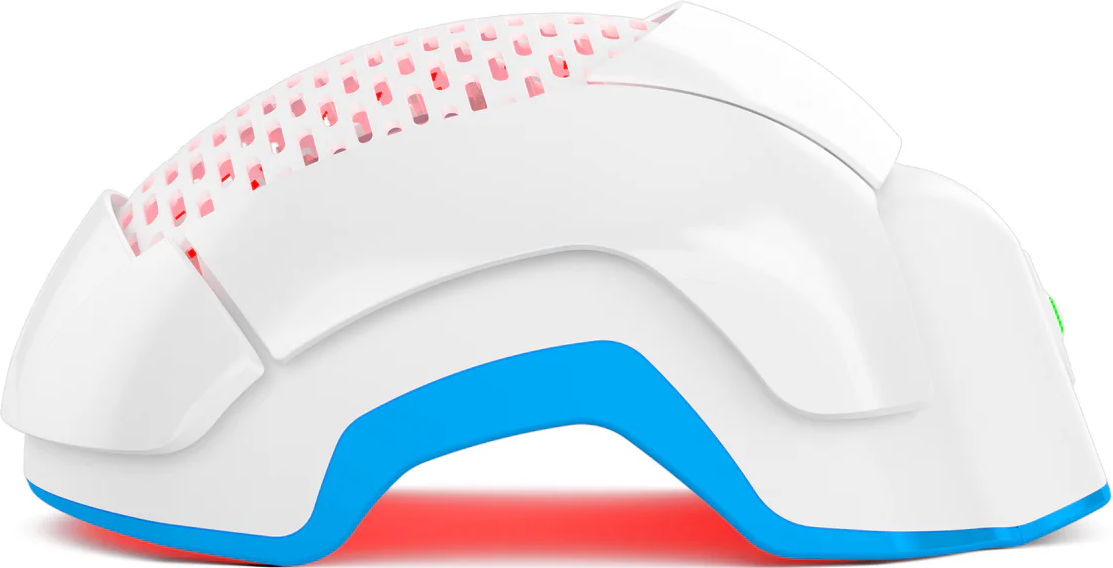
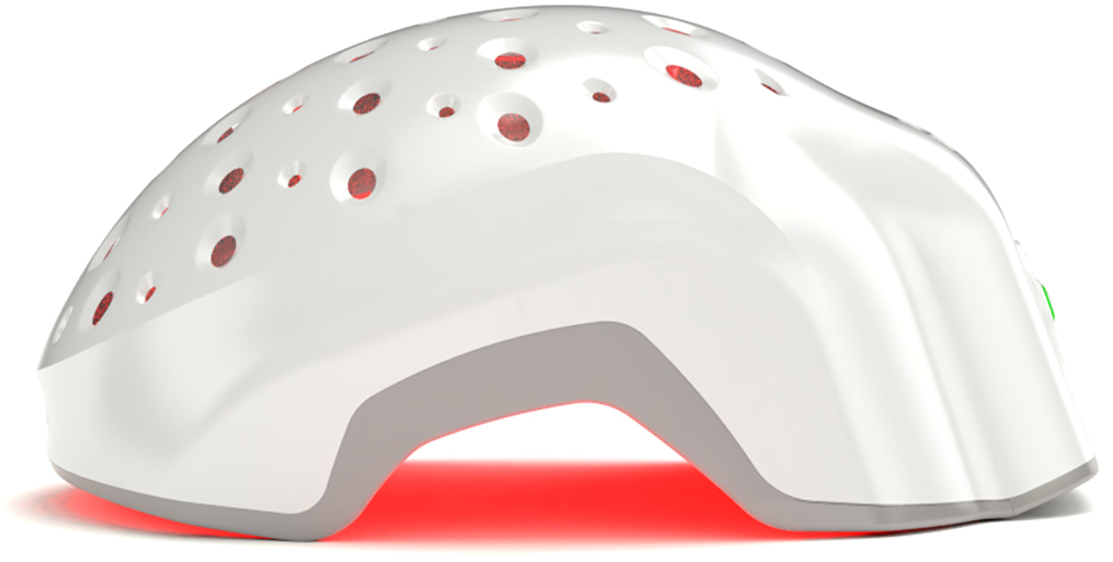
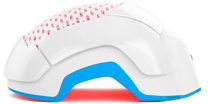
This is where low-level light therapy (LLLT) becomes especially relevant by how it works at the follicular level by increasing cellular energy, helping follicles stay active and resilient even when external conditions aren’t ideal. In a travel context, that support matters. Despite the fact you can’t regulate humidity on a plane or mineral content in hotel showers, what you can do is reinforce the biological processes that keep hair growing.
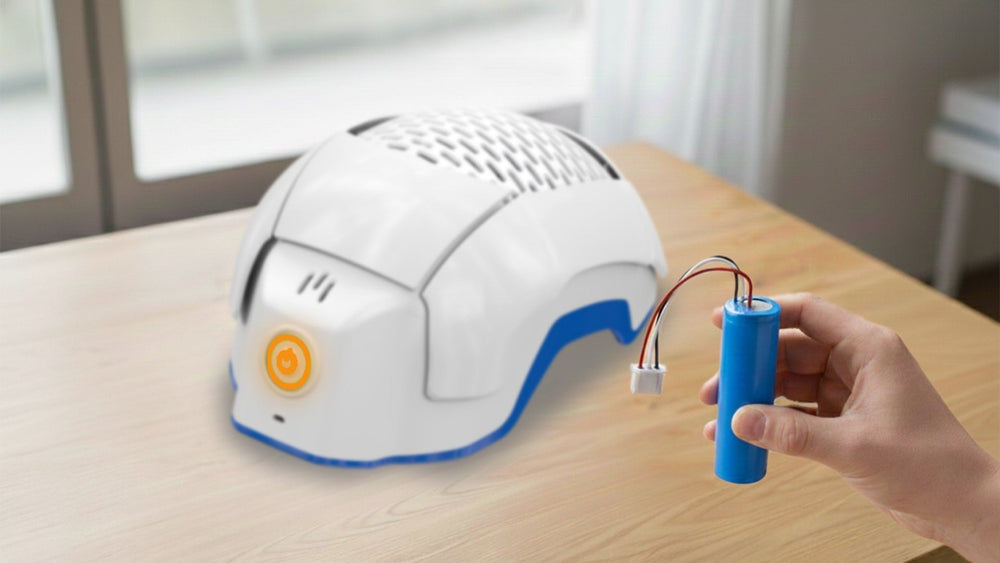
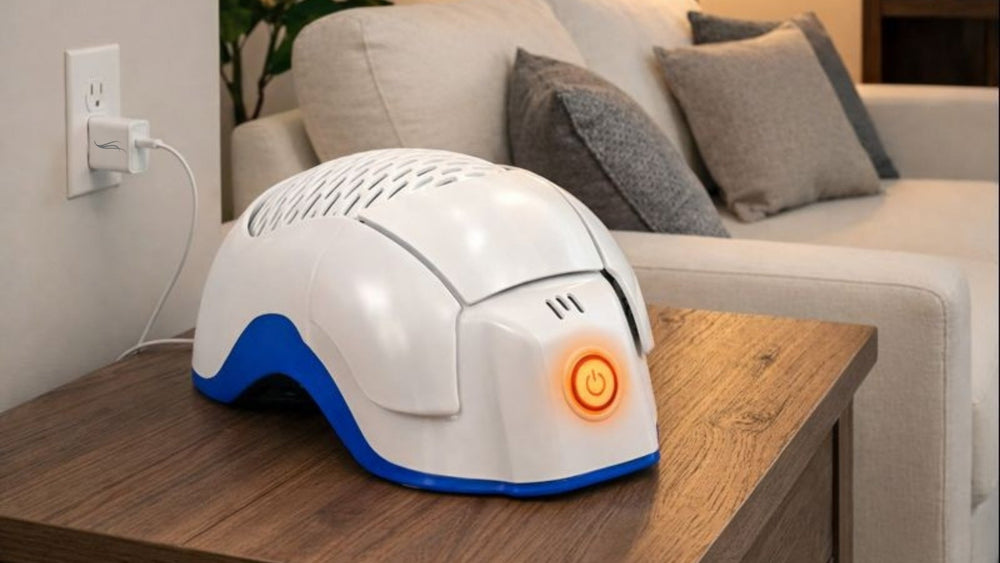
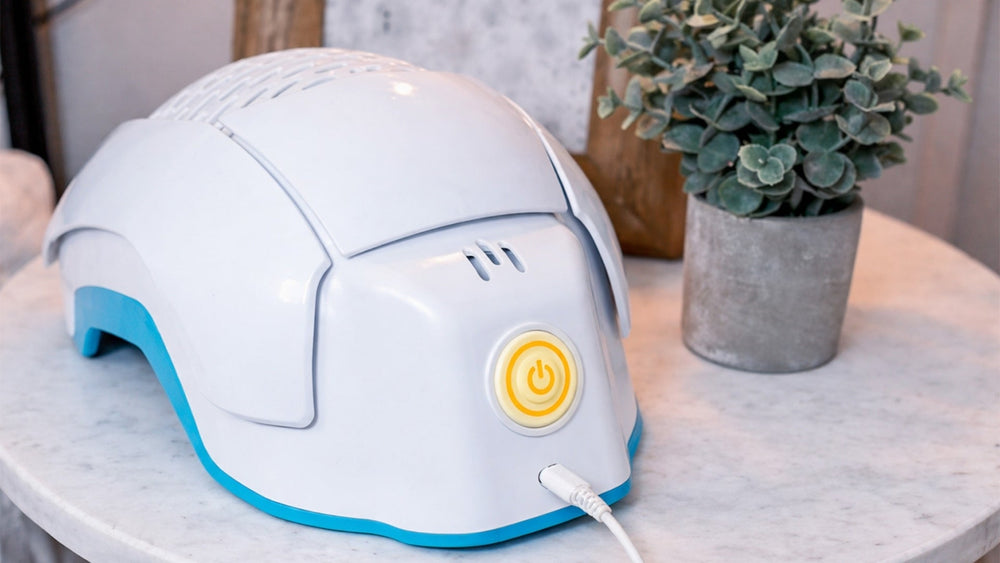
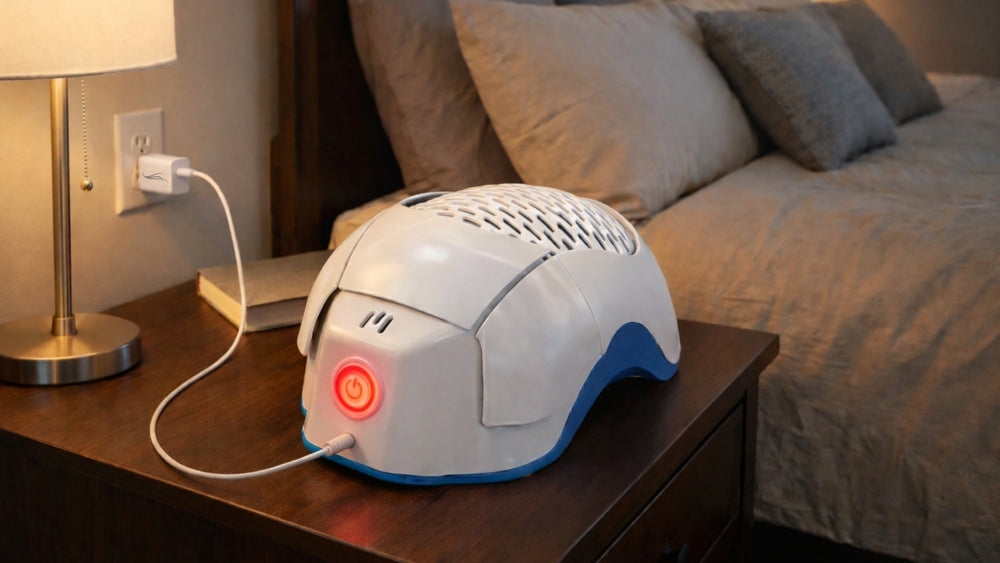
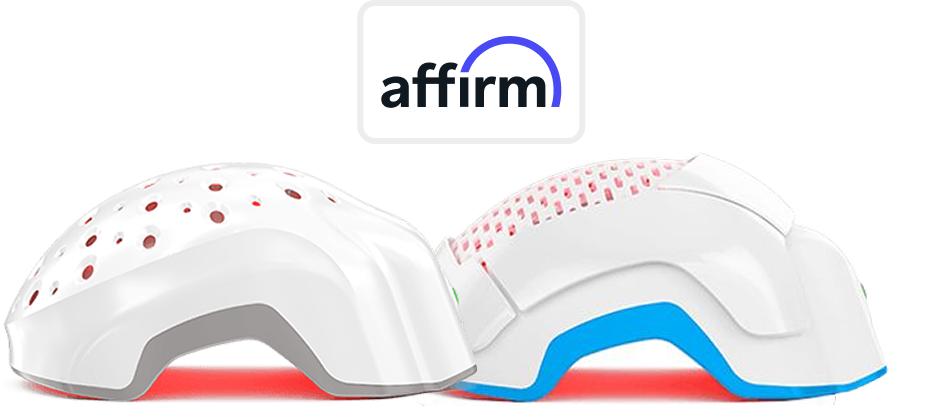
Devices like the Theradome PRO LH80 and Theradome EVO LH40 deliver consistent, medical-grade LLLT which helps counteract the cumulative stress travel places on the scalp. When used alongside good habits (staying hydrated, protecting hair from UV exposure, adjusting wash frequency, and prioritizing sleep) LLLT acts as a stabilizing force.