





Hair thinning or loss is a common experience for most people at some point in their lives. In some cases, such as after pregnancy, hair often begins to regrow naturally. However, for others — particularly when genetics are involved - it can become a more persistent concern.
If you’ve started researching solutions, you’ve likely come across a vast array of products claiming to promote hair growth or thickness, from medications to topical treatments. Among these, natural remedies, including certain herbs, are often touted as effective. But is there scientific evidence to support their use?
In this guide, we’ll look into what are often considered the best herbs for hair growth, as well as explore an alternative treatment option to help you make an informed decision.
1. Lavender
Lavender oil has shown some potential for promoting hair growth when applied topically. In one study, mice treated with lavender oil experienced an increase in both the number of hair follicles and the depth of the follicles.
However, it should be emphasized that strong clinical evidence from human studies is still lacking. Additionally, the group treated with minoxidil in the same study demonstrated the most significant hair growth.
2. Red clover
Hair loss, including male and female pattern baldness, is partly influenced by hormones, particularly dihydrotestosterone (DHT), a derivative of testosterone. A small study suggested that red clover extract may help by blocking 5-alpha reductase, an enzyme that converts testosterone into DHT, which could potentially support hair growth.
That said, it’s important to note that more thorough studies are needed to confirm these effects. To date, red clover has not been proven to effectively treat any health condition. Moreover, red clover supplements should be avoided during pregnancy, as they disrupt hormone balance and could impact the developing baby.
3. Stinging nettle
Stinging nettle has been used for centuries in both food and medicine, valued for its anti-inflammatory and antibacterial properties. It is also packed with vitamins and minerals, such as vitamin A and iron, which benefit both skin and hair health.
Thanks to these properties, stinging nettle is a popular ingredient in many hair care products and shampoos. However, high-quality studies specifically investigating its effects on hair health are limited, and there is no solid evidence to suggest it promotes hair regrowth.
4. Peppermint
Research has shown that peppermint oil, when applied to the scalp, could stimulate the anagen (growth) phase of the hair growth cycle. It appears to promote growth by improving blood circulation to the hair follicles and increasing follicle depth.
Although it should be said that this study was conducted on mice, there is currently insufficient human research to confirm its effectiveness in promoting hair growth. So, before you reach for the peppermint oil, keep in mind that more evidence is needed to support its use.
5. Aloe Vera
Aloe vera is widely recognized for its antibacterial properties, which could address certain skin conditions like seborrheic dermatitis. One study examined a treatment combining aloe ferox gel, oregano oil, and finasteride, showing promising results in managing alopecia.
Saying that, the effectiveness of this treatment is likely due to finasteride, an FDA-approved medication for hair loss. While aloe vera gel could theoretically support hair growth, there isn’t sufficient evidence to confirm its direct benefits.
On this point, bear in mind that finasteride is not safe for use by pregnant women or those trying to conceive, given that it can cause severe birth defects.
6. Sage
While commonly used in cooking, sage is also believed to have medicinal benefits, including promoting skin healing and potentially supporting hair growth. Research has shown that sage extract activates human dermal papilla cells (DPCs), which are essential for hair follicle development and growth.
Though again, this study was conducted on mice, and further research on humans is necessary to verify whether sage actually leads to hair regrowth.
7. Rosemary
Rosemary oil is promoted as a natural way to stimulate hair growth. Some studies suggest that applying rosemary oil to the scalp increases blood circulation to hair follicles, which could strengthen existing hair and slow hair loss.
However, it's important to remember that these studies are limited in size and duration. Not everyone experiences noticeable hair growth, and some people actually develop scalp irritation or allergic reactions when using rosemary oil.
8. Saw Palmetto
Saw palmetto is a plant extract used to target hair thinning linked to hormonal factors. It is thought to work like red clover in that it inhibits 5-alpha reductase, which contributes to pattern hair loss. Small studies have reported modest improvements in hair density for men and women.
That said, the evidence is still limited and mixed. Other research shows no significant difference compared to a placebo, and the optimal dosage or method of use is not well established.
9. Hibiscus
Hibiscus flowers and leaves have been traditionally used in hair care for their moisturizing and strengthening properties. They are rich in vitamin C and amino acids, which theoretically prevents hair breakage and promotes scalp health. Some studies in animals suggest hibiscus extract supports follicle health and hair density.
Despite that hibiscus could improve hair texture or prevent damage, there is no solid proof that it actively regrows hair or reverses hair loss, and human clinical evidence is lacking.
10. Horsetail
Horsetail is a herb high in silica, a mineral thought to strengthen hair and improve elasticity. It is also rich in antioxidants, which could protect hair follicles from damage caused by free radicals. Supplements and hair products containing horsetail are marketed for thicker hair.
However, scientific evidence supporting its direct effect on hair regrowth is very limited, with most studies being either small, using animal models, or focusing on overall hair strength as opposed to new growth.
Can herbs help with hair loss?
Despite some studies suggesting that select herbal plant extracts could promote hair growth or reduce hair loss, there is insufficient clinical evidence from human studies. In many cases, studies have either relied on animal models, such as mice, or included additional treatments that made it difficult to isolate the effects of the herbs alone.
Furthermore, there are no definitive guidelines on the appropriate dosage, form, or duration for using herbal remedies to address hair loss. It’s also important to remember that ‘natural’ doesn’t always equate to ‘safe.’ Some individuals could experience contact reactions to essential oils, and natural ingredients could potentially interact negatively with certain medications.
How to apply herbs for hair loss
Herbs for hair loss can be used in several ways, depending on your preferences and needs. One of the most common methods is topical application, particularly essential oils diluted with a carrier oil and massaged into the scalp. This is intended to target the hair follicles directly, though essential oils must be properly diluted to reduce the risk of irritation.
Herbal extracts are also frequently included in shampoos, conditioners, and hair masks. While convenient, rinse-off products limit how long the active ingredients remain in contact with the scalp.
Some herbs, such as saw palmetto and red clover, are available in supplement form and are marketed to address internal factors linked to hair thinning, however, supplements may interact with medications and are therefore not suitable for everyone.
As with other natural remedies, the method of application you choose influences both effectiveness and potential side effects, and clinical evidence supporting these approaches, as we’ve said, remains limited.
A proven alternative to plant-based treatments for hair loss
In conclusion, herbal treatments for hair loss may sound appealing, but their benefits remain unproven and sometimes lead to unwanted side effects. Therefore, if you’re serious about addressing hair loss, you can experiment with these remedies — or you can turn to scientifically validated solutions.
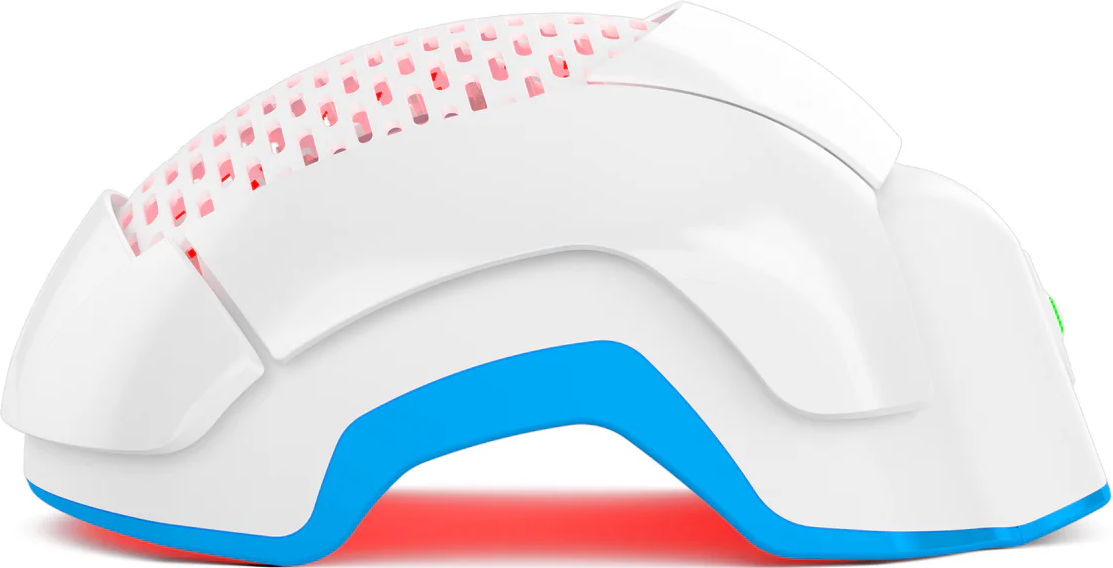
One such option is low-level light therapy (LLLT), also known as laser phototherapy (LPT). Alongside FDA-approved treatments like finasteride (which is not suitable for pregnant women due to the risk of birth defects) and minoxidil, LLLT is one of the few FDA-cleared treatments for hair growth. It works by stimulating hair follicles, promoting regrowth, and improving hair thickness.
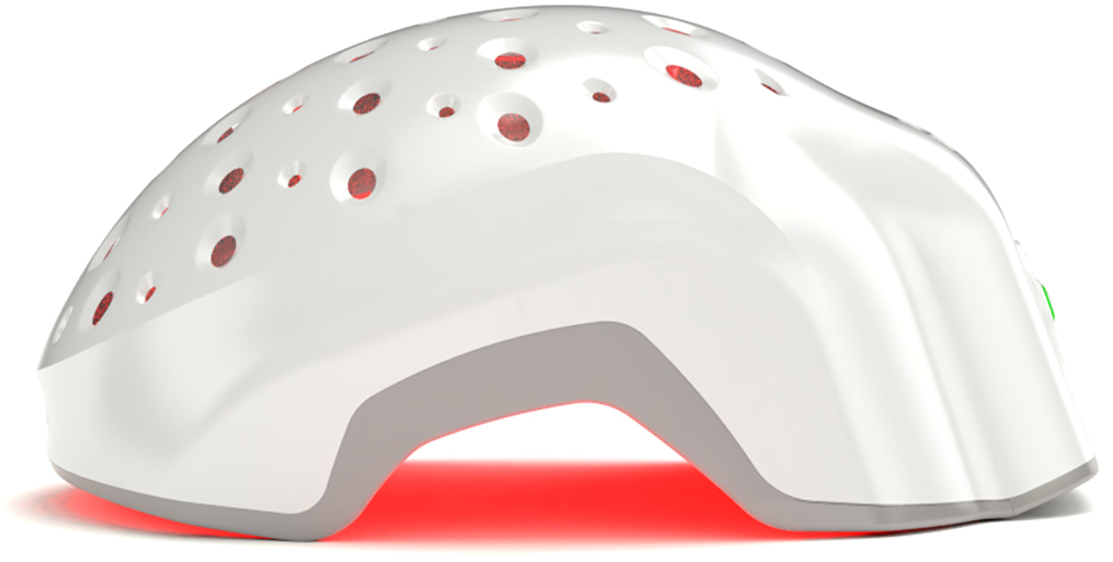
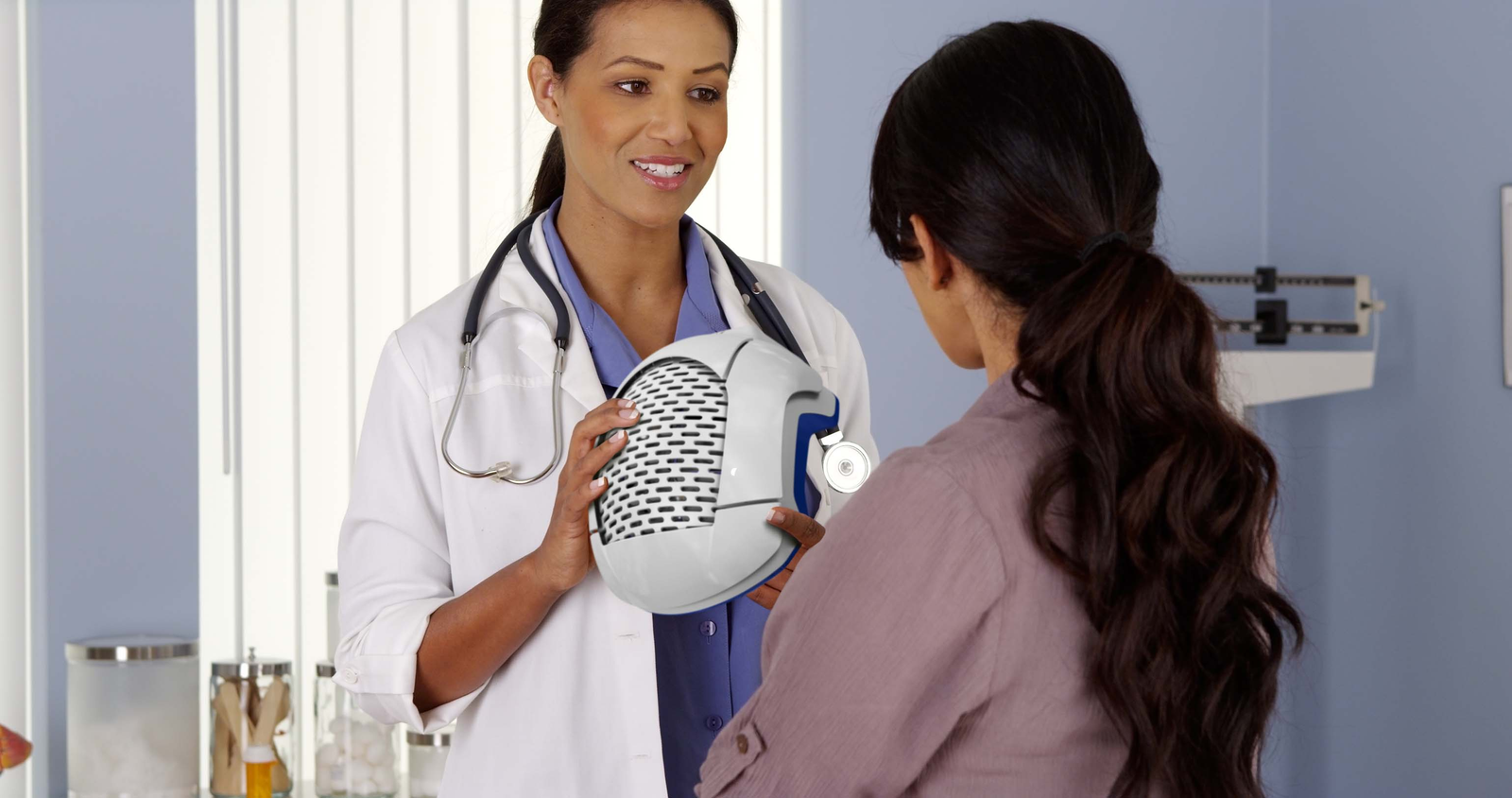
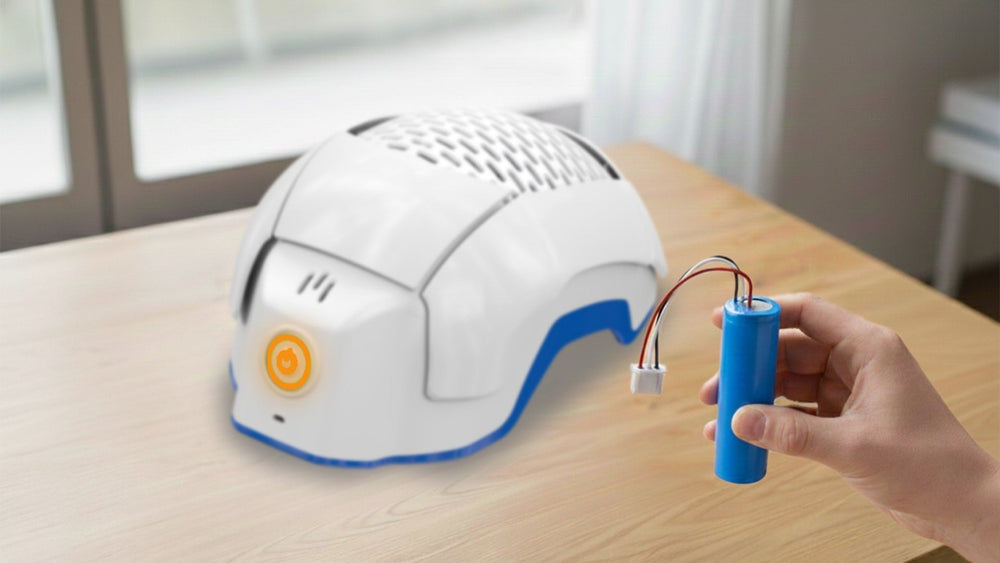
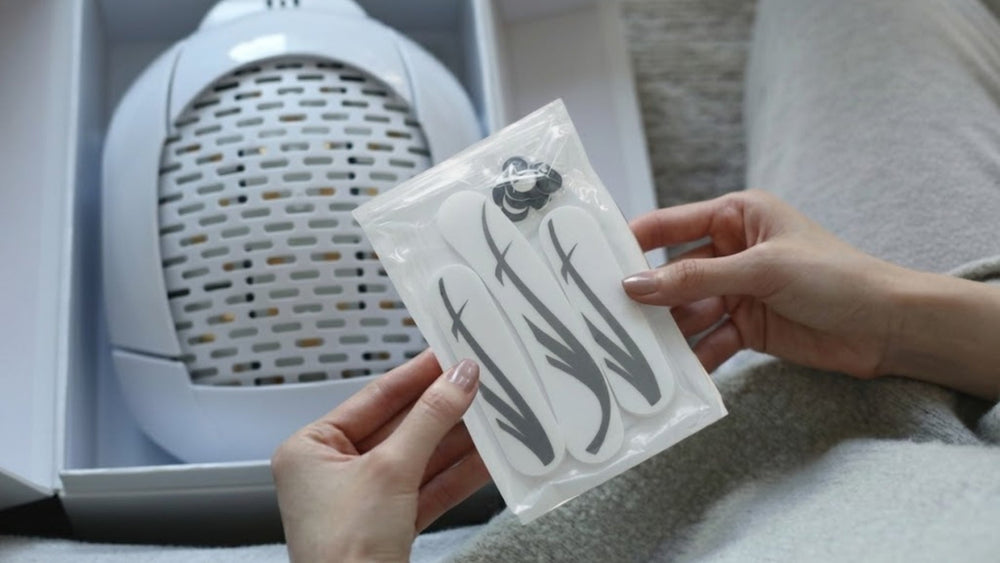
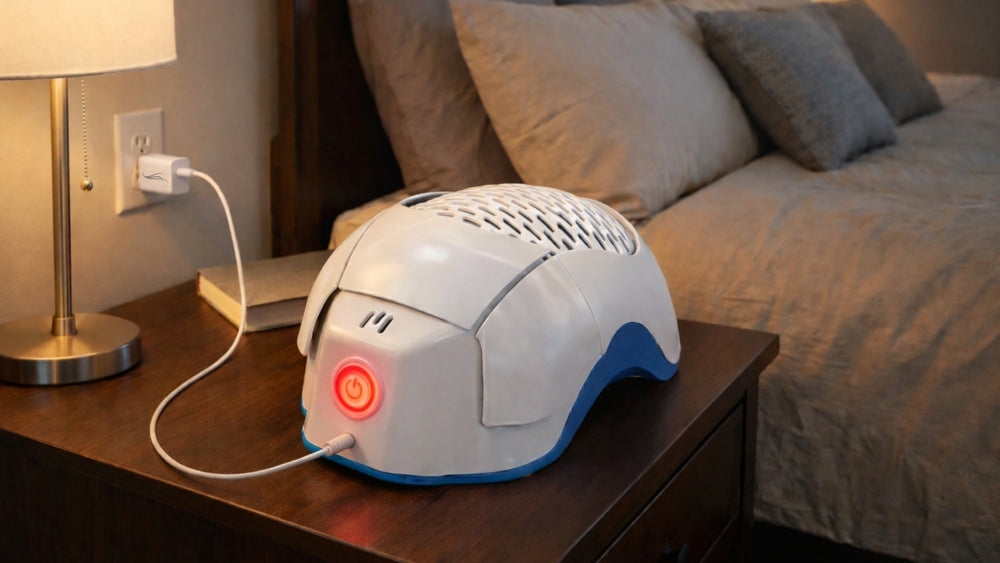
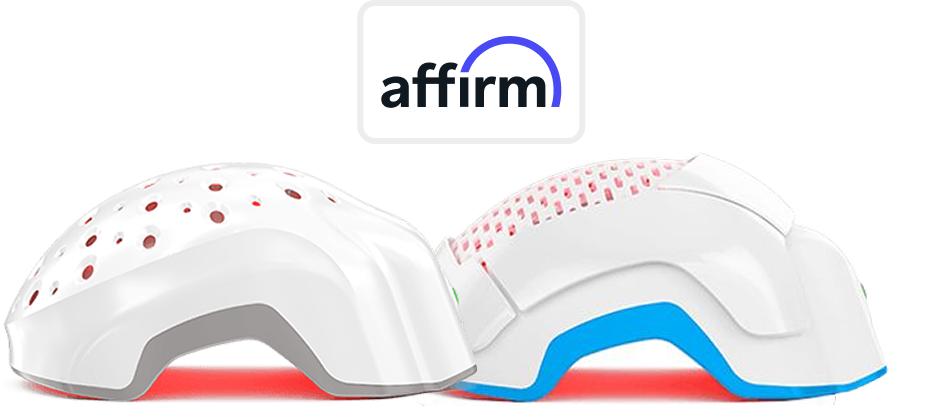
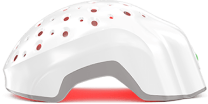
Among the most highly recommended LLLT devices is the Theradome helmet, which boasts an impressive 98% customer satisfaction rate. Unlike many treatments, LLLT is completely non-invasive and has no known side effects, making it a safe and reliable at-home solution for hair restoration.
Rather than spending money on herbal remedies with uncertain results, invest in the Theradome laser helmet to take control of your hair loss or thinning today.