
GREAT VALUE

ALL-IN-ONE

GREAT VALUE
ALL-IN-ONE

Item added to your cart
Laser Phototherapy (LPT) is a non-invasive, non-systemic approach to treating hair loss. While it has an excellent safety profile in general populations, there isn't enough pregnancy-specific research to definitively declare it safe or unsafe. For that reason, most clinicians advise individual consultation before continuing or starting LPT during pregnancy.

Laser Phototherapy (or LLLT, Low-Level Laser Therapy) works by using specific wavelengths of light to stimulate the mitochondria inside hair follicle cells. This process, known as photobiomodulation, encourages the hair to stay longer in the growth (anagen) phase and may boost bloodless cell activity in sluggish follicles.
Not all lasers are surgical. LPT devices use cold lasers (specifically Class 3R), which deliver energy levels under 5 mW — too weak to generate heat, burn tissue, or penetrate deeply. Unlike laser hair removal tools (which target melanin and destroy hair roots), LPT merely bathes the upper scalp in red light, coaxing cells to "wake up". The difference is kind of like comparing a warm bath to a welding torch.
LPT devices are FDA-cleared, not FDA-approved. This distinction means they met safety and performance benchmarks for specific medical uses (like treating hereditary hair loss), but haven't undergone the multi-phase drug trial pipeline. Theradome, for instance, was the first wearable LPT device to receive this clearance for androgenetic alopecia in both men and women.
Thanks to elevated estrogen levels, many women find their hair appears fuller while pregnant. That’s because estrogen prolongs the growth cycle of hair, reducing shedding.
After delivery, estrogen drops. This sudden hormonal change shifts many follicles from the growth phase to the shedding phase all at once. The result is telogen effluvium: that disheartening clump of hair in your brush. It’s common. It’s frustrating. But it usually passes.
Some women also experience genetic hair thinning (androgenetic alopecia) that progresses independently of pregnancy. In these cases, temporary shedding overlaps with a longer-term condition — and treatment decisions get trickier.
Here's some more information about hair growth and pregnancy.
Here’s the honest truth: there are no large-scale clinical trials specifically studying LPT use in pregnant women. However, a 2019 systematic review looking at non-ablative laser therapy (for skin conditions) in pregnant patients found no significant maternal or fetal risks across 22 publications. Still, the authors noted the evidence quality was low, and most data came from case series.
Not because lasers are dangerous. But because “no harm reported” is not the same as “proven safe”. That’s why many OB-GYNs and dermatologists prefer to err on the side of pause unless there's a compelling reason.
Not far. LPT devices emit low-level light that penetrates about 3–5 mm into the scalp — not even close to the uterus. It doesn't enter the bloodstream, alter hormones, or affect fetal development pathways. Think of it more like a flashlight beam on the skin than anything internal.
Topical minoxidil, while effective in some cases, is generally not recommended during pregnancy. Oral medications like finasteride are outright contraindicated.
Because it avoids systemic pathways, LPT is sometimes considered a safer "maybe". But a "maybe" still warrants a check-in with your healthcare provider.
Unless your hair loss is affecting your emotional wellbeing severely, most doctors will say: let’s wait and reassess after delivery. Not because it’s dangerous — but because pregnancy is short and data is slim.
It doesn’t mean your follicles will implode.
Hair takes time to shift. A few weeks or months off likely won’t derail progress. Meanwhile, support your scalp with:
A few smart precautions:
Please note: We do not recommend using the Theradome while pregnant or breastfeeding. Use Theradome after you finish breastfeeding.
Laser Phototherapy sits in an unusual spot: it isn’t a drug, doesn’t mess with hormones, and doesn’t feel like much at all. That makes it promising for many people — including some pregnant women.
But promise is not proof. So until more targeted research exists, the safest course is an honest, unhurried chat with your physician.
It might feel silly to book an appointment just to ask, "Can I still use my laser hair cap?" But the answer is yours to own. And that starts with asking.
There’s no data confirming harm, but the first trimester is often treated with extra caution. Most doctors recommend pausing unless clearly needed.
There’s no evidence it does. The light doesn’t affect glands, milk, or hormones.
Yes, especially once postpartum shedding begins. But still worth confirming with your OB or derm.
Possibly some, but not drastically. Hair grows slow. The foundation remains.
Not necessarily. Some women begin LPT during shedding to support regrowth. But others wait to reduce overwhelm.
Yes. Just make sure the light can actually reach the scalp. That may mean parting hair or gently flattening it during sessions.
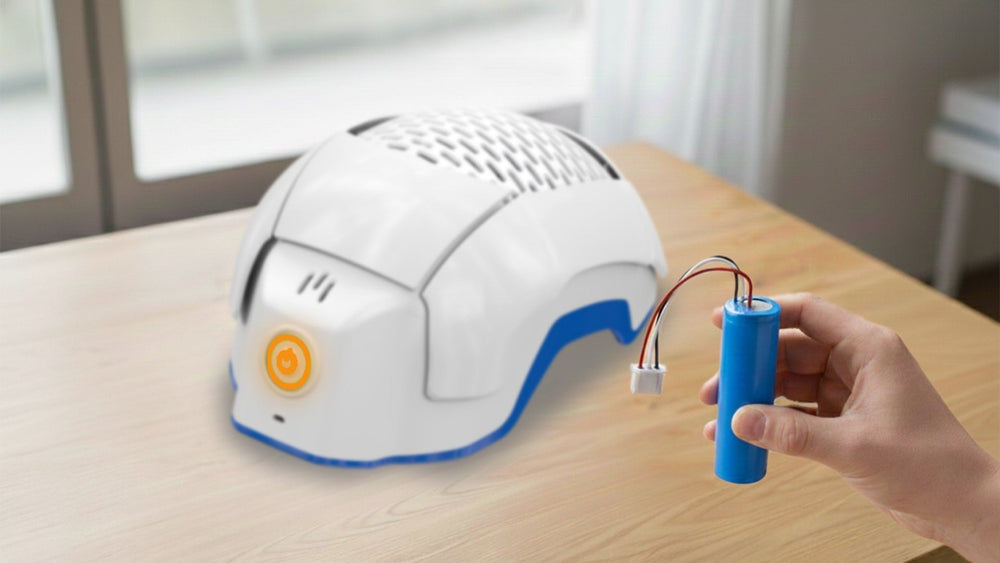
How To Replace Battery
What to do when you get a ‘Battery Low’ on your Theradome
Adjusting Helmet Sound on your Theradome
Getting out of System Pause on your Theradome
Best Way to Clean your Theradome
What To Do When Your Theradome Does Not Turn On or Charge
How To Register Your Theradome Manufacturer’s Warranty
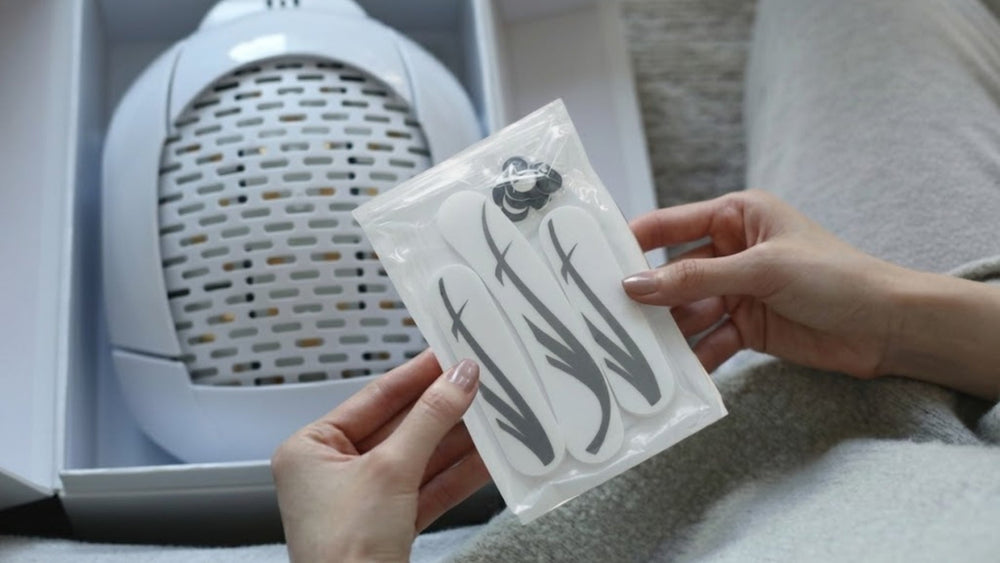
How to Install Foam Pads on Your Theradome
What to do when you receive a Laser Error message on your Theradome
What to do when you receive a “System Error” message on your Theradome
What to do if the master switch is flashing red on your Theradome
What to do when you are getting a temperature error on your Theradome

Both FSA (Flexible Spending Account) and HSA (Health Savings Accounts) can be used to buy FDA-cleared medical devices, like a Theradome. If you have been diagnosed with Androgenetic Alopecia you should be able to use both a FSA/HSA accounts to purchase the Theradome. To check eligibility, review your employer’s benefits package or contact your HR department for FSA. For HSA, check your health plan details to ensure it qualifies as an HDHP and verify other eligibility criteria.
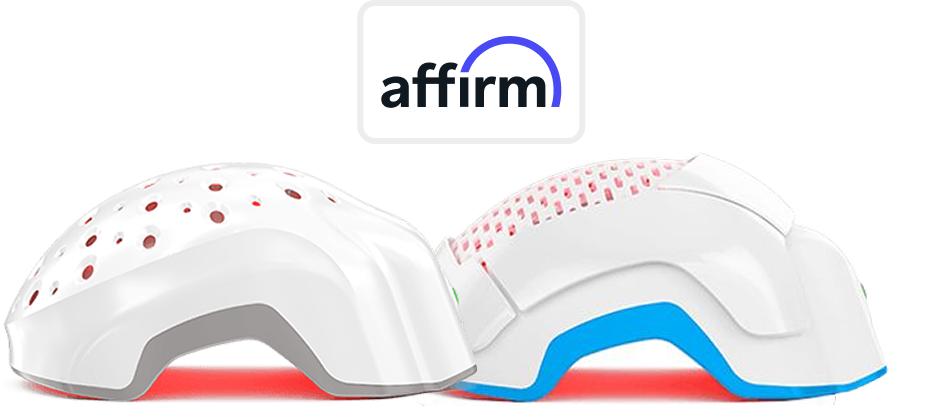
Make your Theradome purchase more manageable with our convenient Affirm financing methods.
How it works
Select Affirm at checkout to see your personalized payment options.

The Complete Hair Recovery System:


The Complete Hair Recovery System: