GREAT VALUE

ALL-IN-ONE

GREAT VALUE
ALL-IN-ONE

Item added to your cart
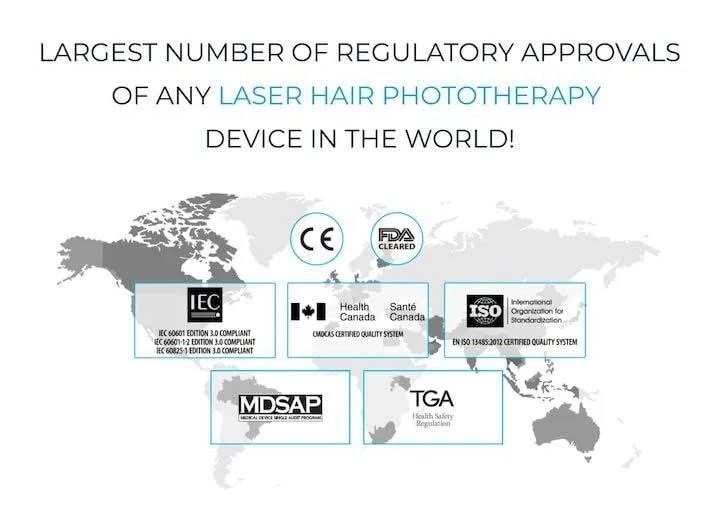
When evaluating a medical-grade hair growth device, performance claims only tell part of the story. Regulatory approvals and quality certifications matter because they indicate how a device is designed, manufactured, tested, and monitored over time, not just whether it “works” in ideal conditions.
Theradome devices are regulated as over-the-counter (OTC) therapeutic medical devices in multiple international markets. This requires compliance with strict quality management systems, post-market surveillance obligations, and country-specific medical device regulations.
Below is a structured overview of Theradome’s quality system certifications and international regulatory registrations, and what each designation means in practice.
Medical device manufacturers are required to operate under formal quality systems that govern design controls, manufacturing processes, risk management, and corrective actions. These certifications apply to how the device is made, not just the final product.
|
Certificate # |
Standard / Regulation |
Scope |
Certification Body |
Initial Certification Date |
|
MD19.4999 |
EN ISO 13485:2016 |
Design, Manufacture and Distribution of Low-Level Laser Therapy Devices for Hair Growth |
NSAI |
04 Aug 2016 |
|
MP19.4999 |
EN ISO 13485:2016 Australia - Therapeutic Goods (Medical Devices) Regulations, 2002, Schedule 3 Part 1 (excluding Part 1.6) – Full Quality Assurance Procedure. Canada - Medical Devices Regulations – Part 1- SOR 98/282 United States - 21 CFR 803, 21 CFR 806, 21 CFR 807 – Subparts A to D, 21 CFR 820 – Quality System Regulation |
Design, Manufacture and Distribution of Low-Level Laser Therapy Devices for Hair Growth |
NSAI |
14 Jan 2020 |
This certification covers the design, manufacture, and distribution of low-level laser therapy devices for hair growth and confirms that Theradome follows regulated processes for:
In practical terms, ISO 13485 certification means the company is audited regularly and required to maintain documentation and controls that meet international medical device standards.
Theradome devices are registered as Class II / Class IIa / Class B OTC therapeutic devices, depending on regional classification systems. These classifications indicate moderate-risk medical devices that require regulatory review, clinical justification, and post-market monitoring.
Intended use:
Over-the-counter therapeutic devices intended to treat androgenetic alopecia and promote hair growth in:
Australia’s ARTG listing requires evidence of safety, performance, and quality system compliance under Therapeutic Goods Administration (TGA) regulations.
Intended use:
OTC therapeutic devices for the treatment of androgenetic alopecia and promotion of hair growth in the same male and female pattern hair loss classifications as listed above.
Health Canada Class II licensing requires device-specific documentation, labeling controls, and ongoing compliance reporting.
The U.S. Food and Drug Administration regulates Theradome devices under the Class II medical device category via the 510(k) clearance pathway.
Theradome LH80 PRO
Theradome LH40 EVO
Intended use (both devices):
Over-the-counter therapeutic devices intended to treat androgenetic alopecia and promote hair growth in males and females meeting specified pattern hair loss and Fitzpatrick skin type criteria.
FDA clearance indicates the device was reviewed for substantial equivalence to legally marketed predicate devices and must comply with U.S. Quality System Regulations (21 CFR 820), adverse event reporting, and recall procedures.
Intended use:
OTC therapeutic device for treating androgenetic alopecia and promoting hair growth in eligible male and female populations.
China’s Class II registration requires technical review, clinical evaluation documentation, and manufacturing compliance.
Intended use:
Devices intended to stimulate hair follicle roots at the cellular level, helping to slow hair loss and thicken existing hair follicles.
Intended use:
OTC therapeutic device for treating androgenetic alopecia and promoting hair growth in males and females meeting established classification criteria.
Intended use:
OTC therapeutic device indicated to treat androgenic alopecia and promote hair growth in females with female pattern hair loss (Ludwig and Savin Hair Loss Scale I–II), Fitzpatrick Skin Types I to IV.
Regulatory approval does not guarantee outcomes, but it does set boundaries around safety, intended use, and manufacturing quality. For users, this means:
In short, these approvals reflect accountability, not marketing language.
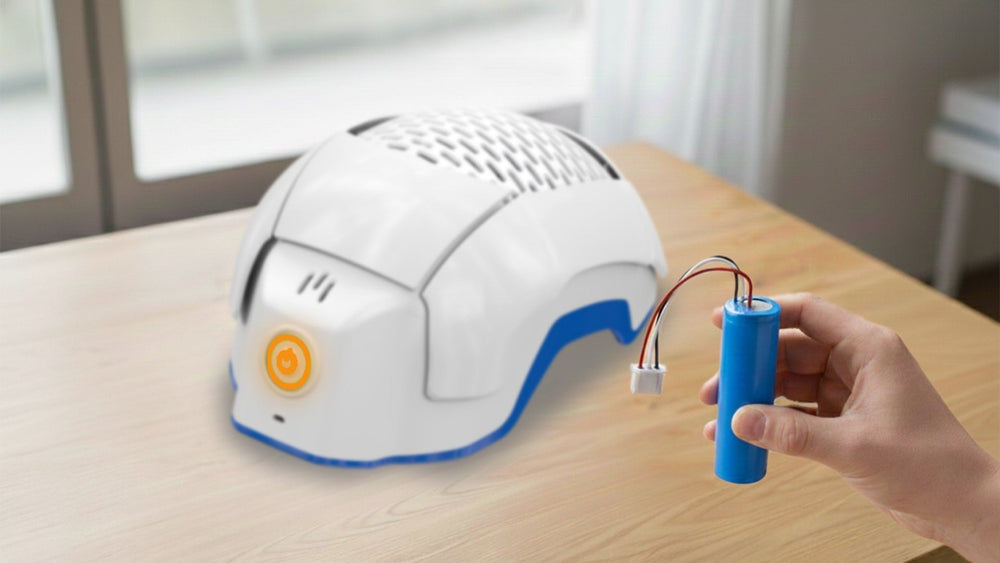
How To Replace Battery
What to do when you get a ‘Battery Low’ on your Theradome
Adjusting Helmet Sound on your Theradome
Getting out of System Pause on your Theradome
Best Way to Clean your Theradome
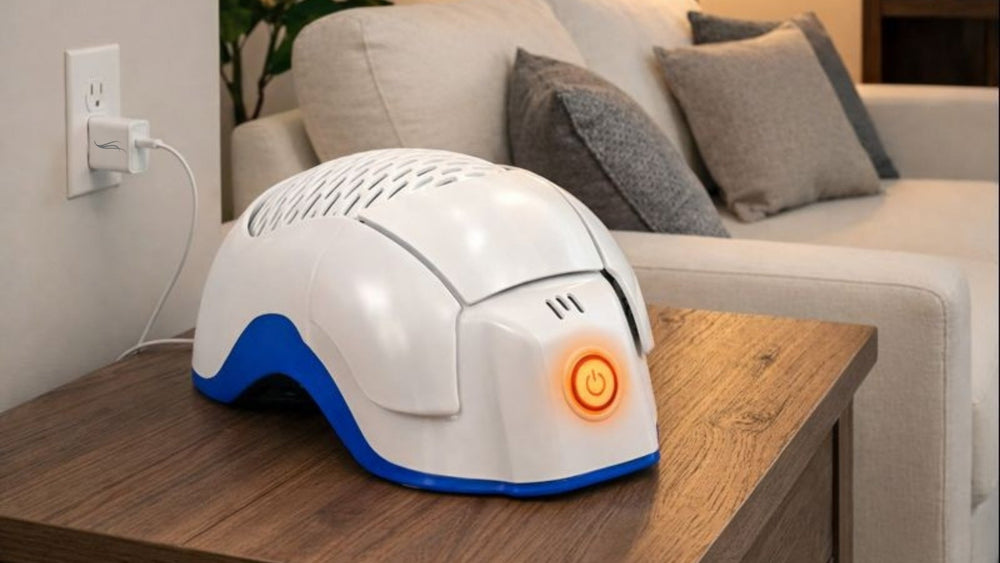
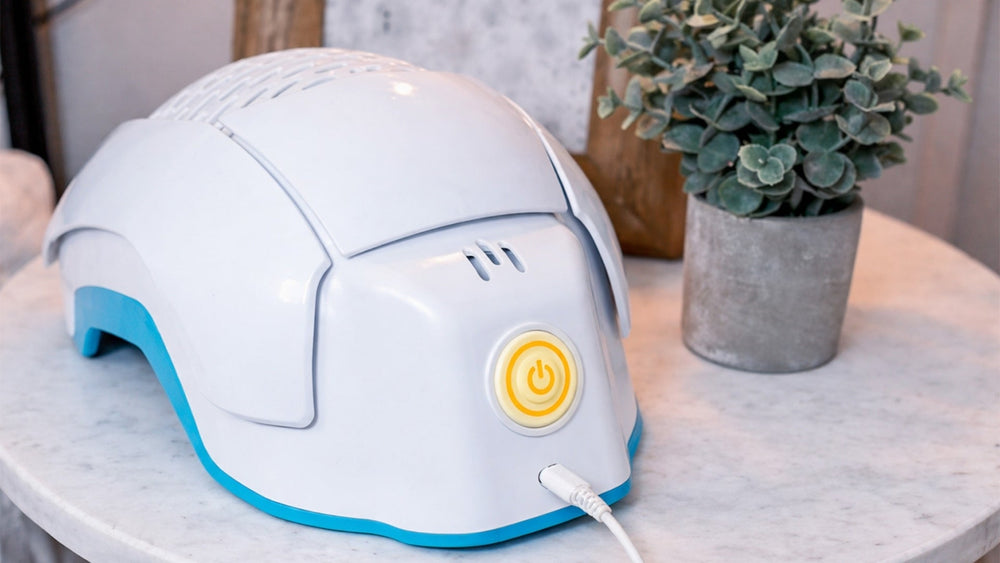
What To Do When Your Theradome Does Not Turn On or Charge
How To Register Your Theradome Manufacturer’s Warranty
How to Install Foam Pads on Your Theradome
What to do when you receive a Laser Error message on your Theradome
What to do when you receive a “System Error” message on your Theradome
What to do if the master switch is flashing red on your Theradome
What to do when you are getting a temperature error on your Theradome

Both FSA (Flexible Spending Account) and HSA (Health Savings Accounts) can be used to buy FDA-cleared medical devices, like a Theradome. If you have been diagnosed with Androgenetic Alopecia you should be able to use both a FSA/HSA accounts to purchase the Theradome. To check eligibility, review your employer’s benefits package or contact your HR department for FSA. For HSA, check your health plan details to ensure it qualifies as an HDHP and verify other eligibility criteria.
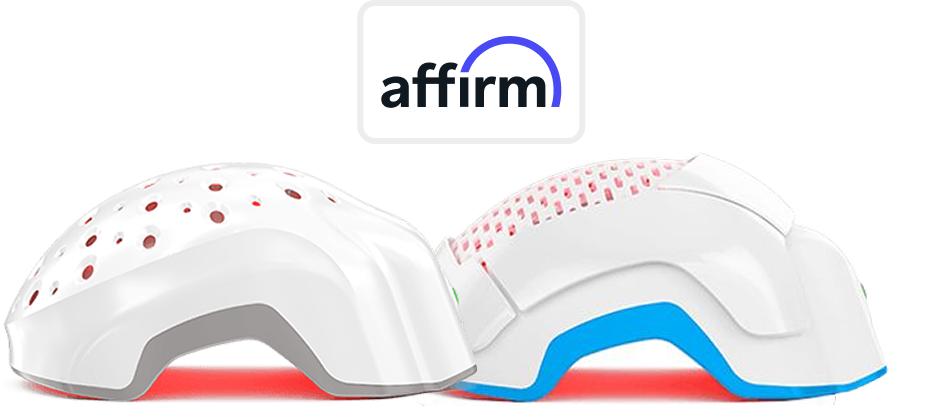
Make your Theradome purchase more manageable with our convenient Affirm financing methods.
How it works
Select Affirm at checkout to see your personalized payment options.

The Complete Hair Recovery System:


The Complete Hair Recovery System: